
How a Trusted Friend Betrayed Hong Kong Actor Ray Lui: The HK$1 Million Scam That Shaped His Career
In the late 1990s, when Hong Kong’s entertainment industry was booming under British rule before the 1997 handover to China, actor Ray Lui found himself at the peak of his career. Known for his charismatic roles in TV dramas and films, Lui was a familiar face on screens across Asia. But behind the scenes, a devastating betrayal was unfolding—one that would cost him millions and leave lasting scars.
Decades later, the story of how a close friend allegedly swindled Lui out of more than HK$1 million remains a cautionary tale about trust, financial deception, and the hidden vulnerabilities of even the most successful public figures. What we have is the full account of the scam, its aftermath, and why it continues to resonate in Hong Kong’s entertainment circles today.
The Scam: How It Happened and Why It Worked
At the heart of the scandal was a seemingly ordinary business deal—one that exploited Lui’s trust and industry connections. According to reports, Lui’s friend, who had been part of his social circle for years, convinced him to invest in a property venture. The friend promised high returns, leveraging Lui’s rising fame and financial stability to secure the deal.
What followed was a classic case of affinity fraud, where the perpetrator exploits personal relationships to manipulate victims. The friend, who had access to Lui’s inner circle, presented the investment as a low-risk opportunity. But behind the scenes, the funds were diverted, and Lui—like many victims of such schemes—found himself powerless to recover his money.
Key details of the scam:
- Amount lost: Over HK$1 million (approximately US$127,000 at the time), a staggering sum for a mid-career actor in the 1990s.
- Method: False investment promises in real estate, a common tactic in Hong Kong’s property-driven economy.
- Timing: The scam unfolded between 1995 and 1997, a period of economic uncertainty as Hong Kong prepared for its handover to China.
- Perpetrator: A long-time acquaintance, not a stranger—highlighting how trust-based crimes often go unreported.
The friend’s ability to blend into Lui’s social and professional life made the deception harder to detect. By the time Lui realized he had been scammed, the money was gone, and legal recourse proved demanding. The case underscores a broader issue: financial scams targeting public figures are often underreported, partly due to shame or fear of damaging reputations.
Who Was Involved? Ray Lui’s Life Before and After the Betrayal
Ray Lui, born in 1969, rose to prominence in the 1990s as one of Hong Kong’s most versatile actors. His roles in TVB dramas and films made him a household name, and his ability to balance comedic and dramatic performances earned him a loyal fanbase. But his personal life was far from the spotlight.
Before the scam, Lui was known for his low-key, private nature, preferring to keep his business dealings out of public view. This discretion may have made him an easier target for someone who knew how to exploit his trust.
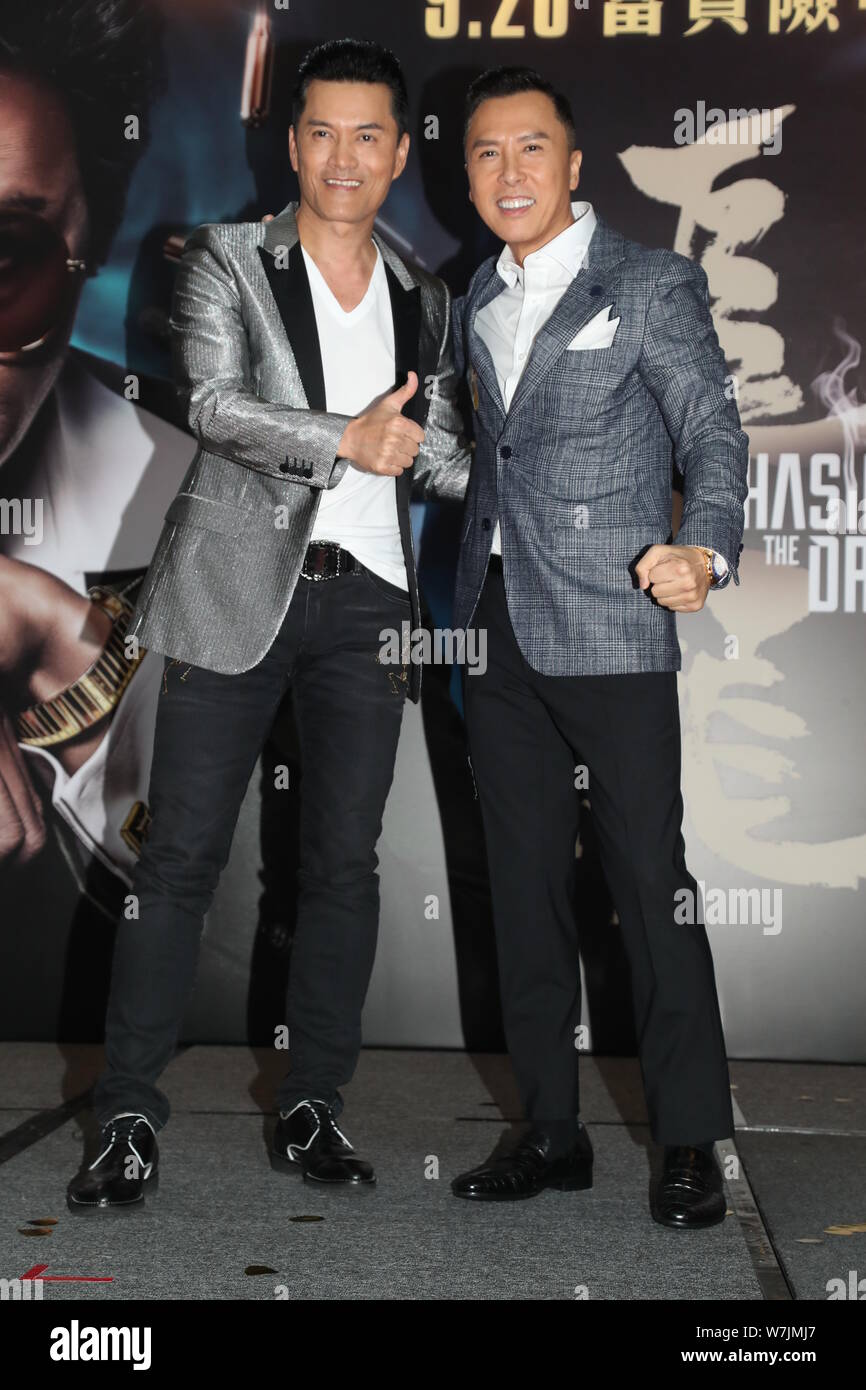
After the betrayal, Lui’s career took a different turn. While he continued acting, the financial loss forced him to reassess his priorities. Unlike some public figures who publicly sue their scammers, Lui chose to avoid legal battles, possibly to protect his reputation in an industry where personal connections matter as much as talent.
Key figures in the case:
- Ray Lui: The victim, whose career spanned TV, film, and variety shows.
- The friend: A long-time acquaintance who used their relationship to manipulate Lui into the investment.
- Industry insiders: Some speculate that the scam was facilitated by Lui’s willingness to trust those around him, a common trait among creative professionals.
While the friend’s identity remains largely private, the case serves as a reminder that financial scams don’t discriminate. They can target anyone—from celebrities to everyday citizens—if the right conditions are met.
Context: Why Hong Kong’s 1990s Were a Prime Time for Scams
The late 1990s were a volatile period for Hong Kong. The city was in the midst of its handover to China, and economic uncertainty loomed large. Property prices were soaring, making real estate a tempting (but risky) investment. At the same time, financial regulations were less strict than they are today, leaving room for exploitation.
Factors that made Hong Kong vulnerable to scams in the 1990s:
- Rapid economic growth: The city’s booming economy attracted both legitimate investors and fraudsters.
- Cultural emphasis on trust: In many Asian societies, personal relationships often take precedence over formal contracts, making affinity fraud more effective.
- Weak legal protections: Compared to today, financial laws were less robust, allowing scammers to operate with fewer consequences.
- Media silence: High-profile victims often avoided publicity to protect their reputations, leaving scammers free to target others.
Lui’s case is just one of many from that era. Other celebrities and business figures fell victim to similar schemes, though few came forward publicly. The lack of transparency around these cases made it easier for scammers to operate undetected.
Today, Hong Kong has tightened financial regulations, but affinity fraud remains a persistent issue, particularly in industries where personal networks are strong, such as entertainment and real estate.
Reactions and Lessons: What This Case Teaches Us
While Lui never publicly named his friend or pursued legal action, his story has become a case study in financial deception. Industry insiders and financial experts say his experience highlights critical lessons:
“Trust should never outweigh due diligence.” — A Hong Kong financial advisor who specializes in fraud prevention.
Many victims of affinity fraud share Lui’s reluctance to speak out. Fear of damaging relationships or reputations often prevents them from reporting crimes, even when they suspect foul play. This silence can embolden scammers, who know they can exploit victims without consequences.
Common red flags in affinity fraud:
- An urgent request for money or investments.
- Pressure to act quickly without proper documentation.
- A promise of unusually high returns with little risk.
- Requests to keep the transaction private.
In Lui’s case, the combination of his trust in his friend and the high-stakes environment of 1990s Hong Kong made him vulnerable. Had he sought legal or financial advice before investing, the outcome might have been different.
Today, financial literacy programs in Hong Kong emphasize verifying investments, even from trusted sources. Yet, the emotional weight of betrayal often clouds judgment, making prevention difficult.
What Happened Next? Ray Lui’s Career and the Lingering Impact
Despite the financial setback, Ray Lui’s career did not collapse. He continued acting, appearing in TV dramas and films, though he kept a lower public profile. The scam, however, left a mark—both professionally and personally.
Some industry observers speculate that the experience made Lui more cautious in his personal and financial dealings. Unlike other celebrities who publicly sue their scammers, Lui’s approach was quiet resilience, focusing on rebuilding rather than seeking revenge.
In recent years, Lui has occasionally reflected on the incident in interviews, though he avoids details. His story serves as a reminder that even those in the spotlight are not immune to exploitation. The case also underscores the importance of financial education, especially in industries where personal connections drive business.
For many in Hong Kong’s entertainment world, Lui’s experience is a cautionary tale. It’s a story of how trust can be weaponized, and why victims must speak up—not just for justice, but to protect others from the same fate.
Frequently Asked Questions About the Ray Lui Scam
1. Was Ray Lui’s friend ever prosecuted for the scam?
No public records confirm legal action against the friend. Lui chose not to pursue legal proceedings, and the case was likely resolved privately or dropped due to insufficient evidence.
2. How common were scams like this in 1990s Hong Kong?
Affinity fraud was particularly rampant during this period, especially in real estate and investment schemes. Many victims were celebrities, businesspeople, or high-net-worth individuals who trusted acquaintances.
3. Could Ray Lui have recovered his money?
Recovering funds in such cases is extremely difficult, especially if the money was transferred abroad or laundered. Without concrete evidence or legal action, Lui had little chance of retrieval.
4. Did the scam affect Ray Lui’s acting career?
While the financial loss was significant, Lui’s career remained stable. He continued working in TV and film, though he maintained a lower public profile compared to his peak in the 1990s.
5. Are there similar cases involving Hong Kong celebrities?
Yes. Other high-profile figures in Hong Kong’s entertainment industry have fallen victim to financial scams, though many choose not to disclose the details publicly to avoid stigma.
6. What can people learn from Ray Lui’s experience?
The case highlights the importance of verifying investments, even from trusted sources, and seeking professional financial advice before committing large sums. Trust should never override caution.
Ray Lui’s story is more than just a financial cautionary tale—it’s a glimpse into the vulnerabilities of those who achieve success in Hong Kong’s competitive entertainment industry. Decades later, his experience remains relevant, serving as a reminder that betrayal can come from unexpected places, and that financial literacy is the best defense against exploitation.
For those in creative fields, where personal and professional lives often intertwine, the lesson is clear: never assume that trust alone is enough to secure your future.
