
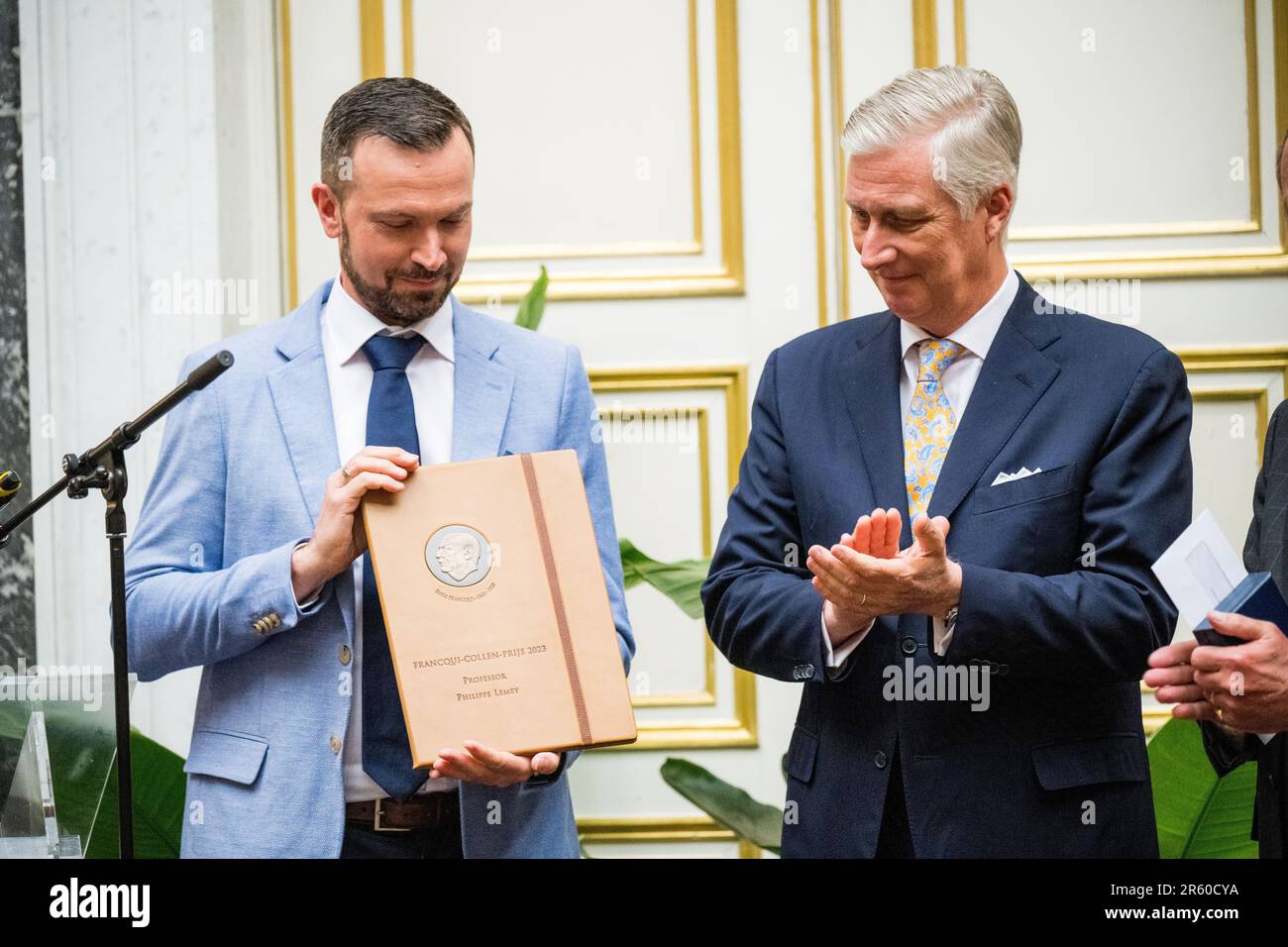
Belgian cancer researcher Diether Lambrechts, 49, has been honored with the Francqui-Collen Prize for pioneering work that sheds light on how cancer cells respond to treatment and the role of diet in gut health. The award, often dubbed the “Belgian Nobel Prize,” recognizes his contributions to understanding the interplay between nutrition, microbiota and chronic diseases like obesity, diabetes, and cancer.
Lambrechts, affiliated with KU Leuven and VIB, emphasized that while cancer remains a formidable challenge, progress is being made through incremental scientific discoveries. “We are slowly but surely making strides in understanding and treating cancer,” he stated in a recent interview. His research has revealed how diets high in saturated fats may compromise the integrity of the intestinal lining, potentially exacerbating conditions linked to inflammation and metabolic disorders.
What the Research Reveals
The study, conducted by Lambrechts and his team, focused on the molecular mechanisms by which dietary patterns influence gut barrier function. Findings suggest that excessive intake of saturated fats can weaken the protective layer of the intestinal wall, allowing harmful substances to enter the bloodstream. This disruption, the researchers note, may contribute to systemic inflammation and increase susceptibility to diseases such as type 2 diabetes and certain cancers.
While the work primarily explores the connection between diet and gut health, it also has implications for cancer therapy. Lambrechts highlighted that understanding how tumors adapt to treatment could lead to more targeted interventions. “Our goal is to decode the language of cancer cells so we can outsmart them,” he said.
Context and Broader Implications
The research aligns with growing evidence that the gut microbiome plays a critical role in overall health. Previous studies have linked dietary habits to shifts in microbial communities, which in turn affect immune function and disease risk. Lambrechts’ findings add to this body of knowledge by providing a clearer mechanism for how specific nutrients may influence cellular processes in the gut.
The Francqui-Collen Prize, awarded annually by the Belgian government, supports researchers who demonstrate exceptional innovation in their fields. Lambrechts’ work is part of a broader trend in precision medicine, where tailored approaches to treatment and prevention are increasingly informed by genetic, environmental, and lifestyle factors.
Limitations and Future Directions
While the study provides valuable insights, researchers caution that more work is needed to translate these findings into clinical applications. The research primarily involved laboratory models, and human trials are required to confirm the observed effects. The complex interactions between diet, microbiota, and disease remain only partially understood.
Looking ahead, Lambrechts and his team plan to investigate how dietary interventions might be used to strengthen gut barriers in at-risk populations. They also aim to explore the potential of combining nutritional strategies with existing cancer therapies to improve outcomes.
The recognition of Lambrechts’ work underscores the importance of interdisciplinary approaches in modern health research. As the global burden of chronic diseases continues to rise, his findings offer a glimpse into how small, sustained efforts in science can lead to meaningful advancements in patient care.
