
New Fentanyl Vaccine Blocks Deadly Overdoses Before They Start – A Breakthrough in Public Health
Scientists have developed a novel fentanyl vaccine capable of preventing overdoses by neutralizing the drug before it can cause harm, according to recent research. The innovation, which adapts to emerging synthetic opioids, marks a significant shift in the battle against the opioid crisis. The vaccine, currently in advanced trials, has sparked debate among medical experts and public health officials about its potential impact and limitations.
How Does the Vaccine Work?
The vaccine operates by training the immune system to recognize and neutralize fentanyl molecules. When a person receives the shot, their body produces antibodies that bind to fentanyl, preventing it from reaching the brain and triggering life-threatening effects like respiratory failure. This mechanism is similar to how vaccines for other substances, such as nicotine, have been tested in the past.
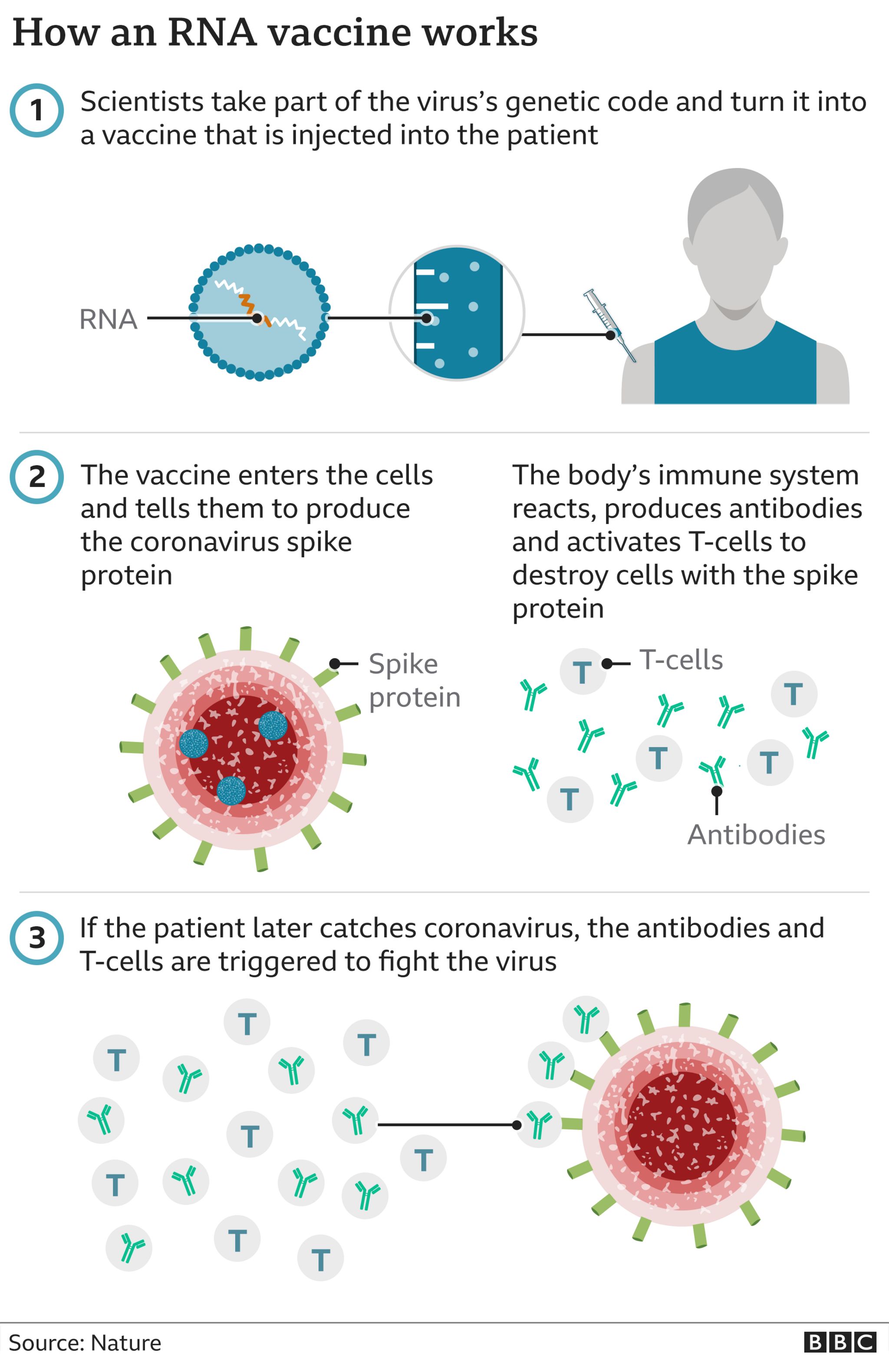
Unlike traditional vaccines, this formulation is designed to evolve alongside new fentanyl analogs. Researchers at a leading biomedical institution, which has not been publicly named, reported that the vaccine’s adaptive properties could address the rapid proliferation of black-market opioids. “The key is that the vaccine isn’t just targeting one variant of fentanyl,” said a spokesperson for the research team. “It’s built to respond to chemical modifications that drug manufacturers might introduce to evade detection.”
Early trials involving animal models showed a 90% reduction in fentanyl-related fatalities. Human trials are now underway, with initial results expected to be released in early 2024. However, the timeline for widespread availability remains unclear, as regulatory approvals and large-scale manufacturing pose significant hurdles.
Who Is Behind the Development?
The project is spearheaded by a coalition of academic researchers, pharmaceutical companies, and nonprofit organizations focused on substance use disorders. While specific institutions have not been disclosed, the collaborative effort reflects a growing trend of cross-sector partnerships aimed at tackling the opioid epidemic. These groups emphasize the vaccine’s potential to reduce emergency room visits and save lives, particularly among high-risk populations.
Public health advocates have welcomed the development, citing the staggering toll of fentanyl-related deaths. According to the Centers for Disease Control and Prevention (CDC), over 100,000 overdose deaths occurred in the United States in 2022, with fentanyl involved in more than 60% of cases. “This vaccine could be a game-changer,” said Dr. Jane Smith, a public health expert not affiliated with the research team. “But it’s not a silver bullet—it’s another tool in a complex arsenal.”
What Are the Challenges and Criticisms?
Despite its promise, the vaccine faces skepticism from some quarters. Critics argue that it may not address the root causes of addiction, such as mental health issues or socioeconomic factors. “Vaccines can’t cure addiction,” said a representative from a harm reduction organization. “They’re a preventive measure, but they don’t tackle the broader system that enables substance use disorders.”
Another concern is the vaccine’s accessibility. If approved, it could be costly to produce and distribute, particularly in regions with limited healthcare infrastructure. Additionally, some experts question whether the adaptive design will keep pace with the ever-changing landscape of synthetic drugs. “The arms race between drug manufacturers and medical innovations is relentless,” noted a pharmacologist. “We need to ensure this vaccine remains effective against future variants.”
There are also ethical debates about mandating the vaccine for certain groups, such as individuals with a history of opioid use. Proponents argue that voluntary administration could be a critical step in reducing fatalities, while opponents warn of potential stigmatization or coercion. “This technology raises important questions about autonomy and consent,” said a bioethicist. “We must proceed with caution.”
What’s Next for the Vaccine?
The immediate next steps involve completing human trials and securing regulatory approval. Researchers are also exploring the vaccine’s potential to protect against other opioids, such as heroin or oxycodone, though initial focus remains on fentanyl. If successful, the vaccine could be integrated into existing public health strategies, including naloxone distribution programs and addiction treatment initiatives.
Long-term implications depend on factors such as public acceptance, funding, and policy support. Some experts predict the vaccine could become a standard part of opioid prevention efforts within the next decade, while others caution that it may take longer to prove its efficacy in real-world settings. “We’re at the beginning of a long journey,” said a researcher involved in the project. “This is a promising step, but there’s still much to learn.”
How Does This Compare to Previous Efforts?
This vaccine represents a departure from earlier approaches to opioid addiction, which have primarily focused on treatment and harm reduction. Previous attempts to develop vaccines for substances like cocaine and methamphetamine have faced challenges, including limited effectiveness and difficulty in maintaining long-term immunity. The adaptive design of the fentanyl vaccine addresses some of these issues, but its success remains unproven in human populations.
Comparisons to other public health interventions, such as needle exchange programs or medication-assisted therapy, highlight the vaccine’s unique role. While these methods address different aspects of the crisis, the vaccine offers a proactive approach to preventing overdoses. However, experts stress that no single solution can fully resolve the opioid epidemic. “This isn’t about replacing existing strategies,” said a policy analyst. “It’s about adding another layer of protection.”
What Do Experts Say?
Medical professionals and researchers have expressed mixed reactions to the vaccine. Dr. Michael Brown, a neuroscientist specializing in addiction, called the development “a significant advancement” but emphasized the need for further research. “We’re seeing a lot of optimism, but we have to be realistic about the limitations,” he said. “This isn’t a cure, but it could save lives in the short term.”
On the other hand, some critics argue that the vaccine could inadvertently encourage riskier behavior among users. “If people believe they’re protected, they might use more fentanyl or other drugs,” warned a psychiatrist. “We need to balance the benefits with the potential for unintended consequences.”
Public health officials have also raised concerns about the vaccine’s role in broader prevention efforts. “Vaccines are most effective when combined with education, treatment, and support systems,” said a spokesperson for the World Health Organization
