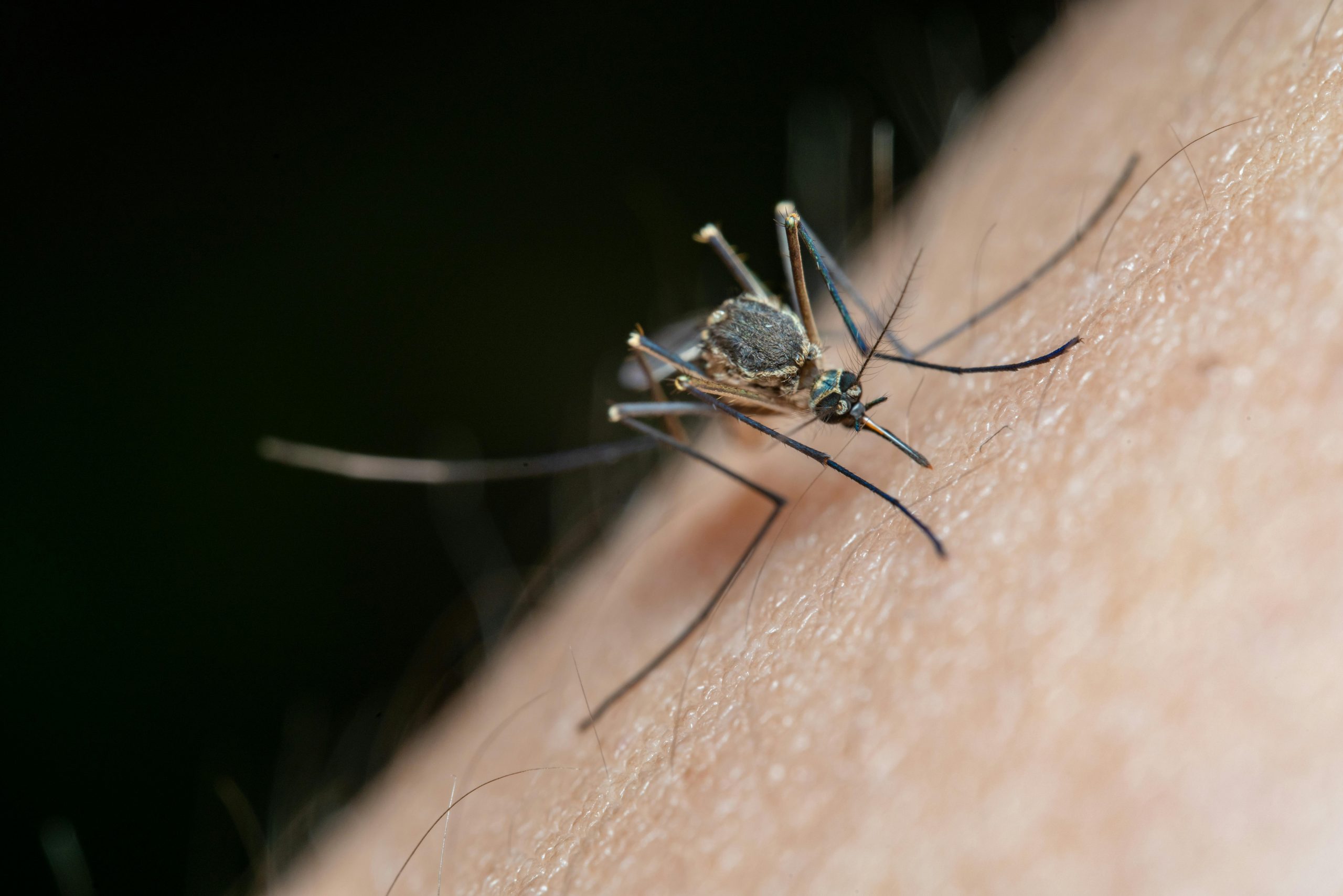
First West Nile Virus-Positive Mosquitoes Reported In Chicago This Year: Health Alerts Expand Across Region
Health officials have confirmed the first West Nile virus-positive mosquitoes of the year in Chicago, according to reports from Block Club Chicago and the Chicago Sun-Times. Positive tests have also been recorded in Northbrook, Fox River Grove, and McHenry County, prompting regional health warnings to prevent human infection as the summer season progresses.
Where have West Nile virus-positive mosquitoes been detected?
The initial detections of West Nile virus (WNV) this season are concentrated in both the city of Chicago and several surrounding collar counties. According to Block Club Chicago and the Chicago Sun-Times, the first positive mosquito samples of the year have been identified within Chicago city limits. This city-level detection serves as the primary trigger for increased public health surveillance and community warnings.
The spread extends beyond the city into the suburbs. Patch reported that mosquitoes in Northbrook have tested positive for the virus. Further northwest, the Lake and McHenry County Scanner reported that the health department issued warnings after mosquitoes in McHenry County tested positive for the first time in 2026. Additionally, Shaw Local confirmed that positive cases were found in mosquitoes within Fox River Grove.
These detections indicate that the virus is circulating in the local mosquito populations across a broad geographic swath of the Chicago metropolitan area and the Fox River Valley. Health departments typically use these mosquito “sentinel” tests to predict the likelihood of human cases, as the virus must be present in the mosquito population before it can be transmitted to people.
| Location | Status | Source of Report |
|---|---|---|
| Chicago | Positive | Block Club Chicago / Chicago Sun-Times |
| Northbrook | Positive | Patch |
| Fox River Grove | Positive | Shaw Local |
| McHenry County | Positive | Lake and McHenry County Scanner |
Why do mosquito detections trigger public health warnings?
The detection of West Nile virus in mosquitoes is a leading indicator of potential human risk. According to public health protocols, mosquitoes act as the vector for the virus, which primarily circulates between birds and mosquitoes. When a mosquito bites an infected bird and then bites a human, the virus can transfer. Therefore, finding the virus in trapped mosquitoes proves that the transmission cycle is active in a specific neighborhood or county.
The timing of these reports is critical. Mosquito populations typically peak in mid-to-late summer. By identifying positive pools early, health departments can implement targeted interventions. These interventions often include:
- Larviciding: Treating standing water to kill mosquito larvae before they become flying adults.
- Adulticiding: Using truck-mounted sprayers or aerial applications to reduce the population of adult mosquitoes in high-risk areas.
- Public Communication: Issuing alerts to encourage residents to use repellents and eliminate standing water on their properties.
The reports from McHenry County and Fox River Grove, specifically, highlight that the virus is not confined to the urban core but is active in more rural and suburban environments where standing water in gardens and drainage ditches can provide breeding grounds.
What are the symptoms of West Nile Virus?
While the current reports focus on mosquito populations, health officials warn residents to monitor their own health. Most people infected with West Nile virus will not develop any symptoms. For those who do, the illness typically manifests in two forms: West Nile fever and the more severe neuroinvasive disease.
West Nile Fever
According to general medical guidelines used by regional health departments, a significant portion of symptomatic patients experience a fever accompanied by one or more of the following:
- Headache
- Body aches
- Joint pains
- Vomiting or nausea
- Rash
Neuroinvasive Disease
A smaller percentage of infected individuals develop severe neurological complications. This occurs when the virus crosses the blood-brain barrier, leading to inflammation of the brain (encephalitis) or the lining of the brain and spinal cord (meningitis). Symptoms of this severe form include:
- High fever
- Stiff neck
- Disorientation or confusion
- Tremors or convulsions
- Muscle weakness or paralysis
Medical professionals advise that anyone experiencing these severe symptoms, especially following a period of high mosquito activity in their area, should seek immediate medical attention. A related explainer on vector-borne illnesses can provide more context on how these diseases are diagnosed.
How can residents protect themselves from infected mosquitoes?
With positive tests reported in Chicago, Northbrook, and McHenry County, health officials emphasize a multi-layered approach to prevention. Because there is no human vaccine for West Nile virus, the primary defense is avoiding mosquito bites.
Personal Protection Measures
Experts recommend using insect repellents that are registered with the Environmental Protection Agency (EPA). Common effective ingredients include:
- DEET: The most widely used repellent for long-term protection.
- Picaridin: A synthetic version of a compound found in pepper plants, often preferred for being less greasy than DEET.
- Oil of Lemon Eucalyptus (OLE): A plant-based alternative.
- IR3535: A synthetic amino acid.
In addition to chemical repellents, residents are encouraged to wear long-sleeved shirts and long pants when outdoors, especially during dawn and dusk when many mosquito species are most active.
Environmental Management
Reducing the mosquito population starts at home. Health departments in the affected regions suggest the “Tip and Toss” method to eliminate breeding sites. Mosquitoes can lay eggs in as little as a bottle cap of water. Key areas to monitor include:
- Birdbaths and Pet Bowls: Change water daily.
- Clogged Gutters: Clean debris to prevent water from pooling.
- Flowerpot Saucers: Empty excess water after watering plants.
- Tires and Tarps: Ensure these are stored under cover or tilted to prevent water accumulation.
- Pool Covers: Maintain proper chlorine levels or ensure water drains away.
Comparing regional responses to West Nile detections
The reports from the various outlets show a consistent pattern of warning, but the framing varies by location. In Chicago, the reports from Block Club Chicago and the Sun-Times focus on the urban density and the scale of the city’s surveillance network. The focus is on broad public awareness across a massive population.
Conversely, the reports from Patch in Northbrook and Shaw Local in Fox River Grove reflect a more localized, community-centric warning. In these suburban and semi-rural areas, the emphasis is often on private property maintenance, as residential yards and wooded lots provide more breeding opportunities than the concrete-heavy environments of downtown Chicago.
The report from the Lake and McHenry County Scanner is particularly notable for its direct attribution to the health department, framing the detection as a formal warning. This suggests a coordinated effort between county health officials and local media to ensure that residents in the outer ring of the metropolitan area are as informed as those in the city center.
“Health department warns after mosquitoes test positive for West Nile virus in McHenry County for first time in 2026,” as reported by the Lake and McHenry County Scanner.
Common misconceptions about West Nile Virus
Public health officials often have to correct several common myths regarding the spread and nature of the virus. Understanding these distinctions helps residents take the correct precautions.
Myth: You can get WNV from another person
West Nile virus is not contagious. You cannot catch it from coughing, sneezing, or touching an infected person. It is transmitted almost exclusively through the bite of an infected mosquito. While rare cases of transmission via blood transfusion or organ transplant have been documented, it does not spread through casual human contact.
Myth: Only elderly people are at risk
While it is true that adults over 60 and people with certain medical conditions (such as hypertension, diabetes, or kidney disease) are at a higher risk for severe disease, anyone can be infected. Younger, healthier individuals often experience the “West Nile fever” version of the illness or remain asymptomatic, but they can still suffer significant discomfort and illness.
Myth: Mosquitoes only bite at night
While many species, including the common Culex mosquito often associated with WNV, are most active at dawn and dusk, some mosquitoes bite throughout the day. Protection should be maintained regardless of the hour if you are in an area with high mosquito activity.
What to expect as the season continues
The detection of positive mosquitoes in Chicago and surrounding counties is typically the start of a seasonal trend. As temperatures remain high and rainfall patterns fluctuate, mosquito populations may increase. Health departments will continue to trap and test mosquitoes weekly to monitor the “infection rate”—the percentage of mosquito pools that test positive for the virus.
If the infection rate rises significantly, the city and counties may increase the frequency of adulticide spraying. Residents should keep an eye on local government announcements regarding spraying schedules to ensure they can take necessary precautions, such as keeping pets indoors or covering outdoor food items.
The transition from “positive mosquitoes” to “human cases” is the primary concern for epidemiologists. By tracking the geographical spread from Northbrook to Fox River Grove and into Chicago, health officials can map the movement of the virus and allocate resources to the hardest-hit neighborhoods.
Frequently Asked Questions
Where were the first West Nile virus-positive mosquitoes found this year?
Positive mosquitoes have been reported in Chicago, Northbrook, Fox River Grove, and McHenry County, according to reports from Block Club Chicago, the Chicago Sun-Times, Patch, Shaw Local, and the Lake and McHenry County Scanner.
Is West Nile virus dangerous for everyone?
Most people infected with West Nile virus show no symptoms. However, some develop a fever and flu-like symptoms. A small percentage of people, particularly the elderly or those with underlying health conditions, may develop severe neurological diseases like encephalitis or meningitis.

How can I tell if a mosquito bite is infected with West Nile virus?
It is impossible to tell by looking at the bite itself. A mosquito bite from an infected insect looks exactly like a bite from a non-infected one. You must monitor for systemic symptoms, such as fever, headache, or body aches, in the days following the bite.
What is the best repellent to use against WNV-carrying mosquitoes?
Health officials recommend EPA-registered repellents containing DEET, Picaridin, Oil of Lemon Eucalyptus (OLE), or IR3535. These are proven to be effective in preventing mosquito bites.
Will the city be spraying for mosquitoes in Chicago?
The city typically initiates spraying programs based on mosquito population density and the presence of the virus in trapped samples. Residents should check official city health department announcements for specific spraying schedules in their neighborhoods.
Can pets get West Nile virus?
While the primary cycle is between birds and mosquitoes, some animals, including horses, can become seriously ill from West Nile virus. Dogs and cats can be infected, but they rarely show symptoms. Using pet-safe repellents and reducing standing water around the home is recommended.
