PM Modi Reaches Slovakia on First-Ever Indian PM Visit Since 1993: Focus on Defence and Mobility
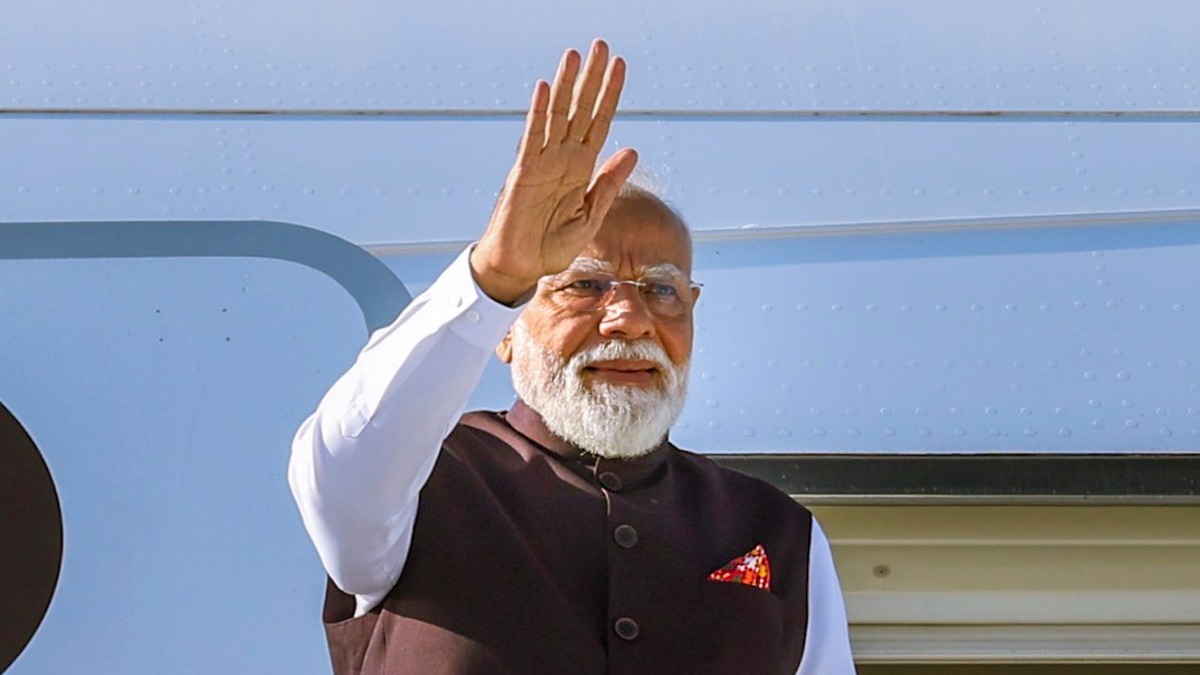
Prime Minister Narendra Modi arrived in Slovakia for a historic visit, marking the first time an Indian prime minister has visited the nation since 1993. According to reports from India Today and Firstpost, the visit centers on strengthening bilateral relations, with expected announcements regarding defence cooperation and mobility agreements.
The Arrival of Prime Minister Modi in Slovakia
Prime Minister Narendra Modi has reached Slovakia, signaling a significant diplomatic shift in India’s engagement with Central Europe. This visit constitutes the second leg of a two-nation tour, as reported by The Hindu. Upon arrival, the Prime Minister received a traditional “bread-and-salt” welcome, a custom Firstpost identifies as a historic gesture of hospitality in the region.
The visit occurs 31 years after the last Indian prime minister visited the country. This gap in high-level diplomatic visits underscores the “historic” nature of the current trip, a term used across multiple reports including those from WION and Firstpost. The arrival is not merely a ceremonial event but the start of a focused diplomatic agenda aimed at updating ties that have existed for over three decades.
Key details of the arrival include:
- Event: First Indian PM visit to Slovakia since 1993.
- Protocol: Traditional bread-and-salt welcome.
- Context: Second leg of a two-nation international visit.
- Primary Goal: Strengthening bilateral ties and sectoral cooperation.
Why the First Visit Since 1993 Matters
The timing of this visit is significant given that diplomatic ties between the two nations were forged approximately 33 years ago, according to NDTV. While India and Slovakia have maintained official relations, the absence of a prime ministerial visit for over three decades suggests a period of relative diplomatic dormancy that the current administration is now seeking to reverse.
By returning to Slovakia at the leadership level, India is signaling a broader interest in diversifying its partnerships within the European Union. Slovakia, located in the heart of Europe, provides a strategic entry point for Indian interests in Central European markets and security frameworks. According to NDTV, the focus is now squarely on “stronger relations” to bridge the gap left since the early 1990s.
“PM Modi In Slovakia 33 Years After Ties Forged, Focus On Stronger Relations” — NDTV
The historical gap since 1993 reflects the evolving geopolitical landscape. In 1993, Slovakia had only recently become an independent state following the dissolution of Czechoslovakia. India’s decision to revisit this partnership now suggests a recognition of Slovakia’s grown role within the EU and NATO, and India’s own rise as a global economic power.
Expected Outcomes in Defence and Mobility
While the visit includes ceremonial elements, the core of the agenda is pragmatic. WION reports that the visit is expected to yield specific announcements regarding defence and mobility. These two sectors are critical for India’s current strategic goals.

Defence Cooperation
Defence is a primary pillar of the discussions. India has been actively seeking to diversify its defence procurement and technology partnerships to reduce reliance on a few traditional suppliers. Slovakia’s industrial base and its position within NATO make it a potential partner for technology transfer and hardware acquisition. According to WION, the expectations for defence announcements suggest a move toward more formalized security ties.
Mobility Agreements
Mobility agreements typically cover the ease of movement for professionals, students, and business travelers. In the context of India-Slovakia relations, a mobility agreement would likely aim to streamline visa processes and facilitate the movement of skilled labor. This is a recurring theme in India’s recent engagements with European nations, where “mobility and migration” are treated as essential components of economic partnership.
The following table summarizes the primary areas of expected cooperation:
| Focus Area | Expected Outcome | Strategic Goal |
|---|---|---|
| Defence | New agreements/announcements | Diversification of hardware and tech sources |
| Mobility | Streamlined travel/visa frameworks | Increased professional and academic exchange |
| Diplomacy | High-level bilateral dialogue | Closing the 31-year leadership visit gap |
Analyzing the Strategic Context of the Visit
To understand why PM Modi’s visit is being framed as “historic” by outlets like Firstpost and WION, one must look at the broader trajectory of Indian foreign policy. India is currently pursuing a strategy of “multi-alignment,” where it builds deep, functional relationships with a variety of medium-sized powers to ensure strategic autonomy.

Slovakia represents a key partner in this regard. As a member of both the European Union and NATO, Slovakia can offer insights and access to European security architectures. For Slovakia, India represents one of the fastest-growing major economies in the world and a massive market for industrial exports.
The contrast in reporting is notable: while India Today and The Hindu focus on the logistical and chronological fact of the visit (the “first since 1993” angle), WION and NDTV lean more toward the future-looking strategic outcomes, such as defence and the long-term strengthening of ties. This indicates a two-pronged narrative: the visit is both a correction of a historical diplomatic lapse and a forward-looking strategic move.
For those interested in how this fits into a larger pattern, a related explainer on India’s European diplomatic strategy would provide more context on similar visits to other Central European nations.
The Significance of the Bread-and-Salt Welcome
Firstpost highlighted the “traditional bread-and-salt welcome” received by PM Modi. In Slavic cultures, bread and salt are symbols of hospitality, friendship, and prosperity. Bread represents the basic necessity of life, while salt represents the value and purity of the relationship.
In diplomatic terms, the use of traditional cultural symbols during a first-ever visit in three decades is a calculated move. It signals that the host nation is not just treating the visit as a bureaucratic necessity but as a warm, welcoming gesture intended to reset the relationship on a positive, personal note.
Potential Challenges and Considerations
Despite the optimistic framing of the visit, several factors will determine if the “historic” label translates into tangible results. The success of the defence and mobility announcements depends on the ability of both bureaucracies to implement the agreements. Mobility agreements, in particular, often face hurdles regarding EU-wide visa regulations, which Slovakia must navigate as a member state.
Furthermore, the 31-year gap since the last prime ministerial visit suggests that previous engagement was likely handled at the ambassadorial or ministerial level. Elevating the relationship to the prime ministerial level is the first step; the second step is ensuring that the momentum is maintained beyond the duration of the visit.
Common misconceptions about such visits often suggest they are merely symbolic. However, the specific mention of “defence” and “mobility” by WION indicates that this trip has a concrete transactional agenda. It is not just about the “bread and salt” but about the hardware and the visas.
Frequently Asked Questions
Why is PM Modi’s visit to Slovakia considered historic?
The visit is considered historic because it is the first time an Indian Prime Minister has visited Slovakia since 1993, ending a gap of over 30 years in high-level leadership engagement between the two countries.
What are the primary goals of the visit?
According to WION and NDTV, the primary goals include strengthening bilateral relations and reaching agreements on defence cooperation and mobility for citizens and professionals.
What is the “bread-and-salt” welcome?
As reported by Firstpost, the bread-and-salt welcome is a traditional Slavic gesture of hospitality and friendship used to greet honored guests.
When was the last time an Indian PM visited Slovakia?
The last visit by an Indian Prime Minister to Slovakia occurred in 1993, as noted by India Today and other news sources.
What is meant by “mobility” in the context of this visit?
Mobility refers to agreements that make it easier for people—such as students, businessmen, and skilled workers—to travel, work, and study between India and Slovakia by streamlining visa and entry requirements.
As the visit progresses, the focus will shift from the ceremonial arrival to the official signing of Memorandums of Understanding (MoUs). The international community will be watching to see if the promised announcements on defence and mobility materialize into binding agreements that redefine the India-Slovakia partnership for the next decade. For further analysis, readers may look for a related analysis of India’s defence procurement trends in Europe.
