
The U.S. and Iran have reached a preliminary agreement to end their proxy conflicts in the Middle East, including an immediate lifting of sanctions on the Strait of Hormuz, according to multiple official statements and international media reports. The deal, announced by former U.S. President Donald Trump, marks a dramatic shift in regional tensions and could reshape global oil markets.
Fast Facts
- The agreement includes a full reopening of the Strait of Hormuz to international shipping, with Trump calling on “all ships of the world to prepare to sail.”
- Sanctions on Iranian oil exports and financial transactions are to be suspended immediately, according to Iranian officials.
- The deal does not explicitly mention a broader nuclear agreement but focuses on de-escalation in the Gulf and Yemen.
- Trump framed the move as a victory for “American energy dominance,” while Iranian state media described it as a “historic step toward regional stability.”
What the Agreement Covers—and What It Doesn’t
The deal centers on three key pillars: the Strait of Hormuz, Yemen, and indirect U.S.-Iran relations. According to Iranian Foreign Minister Hossein Amir-Abdollahian, the U.S. has committed to ending its support for Saudi-led coalition operations in Yemen, while Iran will halt arms shipments to Houthi rebels. The Strait of Hormuz, a critical chokepoint for global oil trade, will reopen without restrictions, though no formal treaty has been signed.
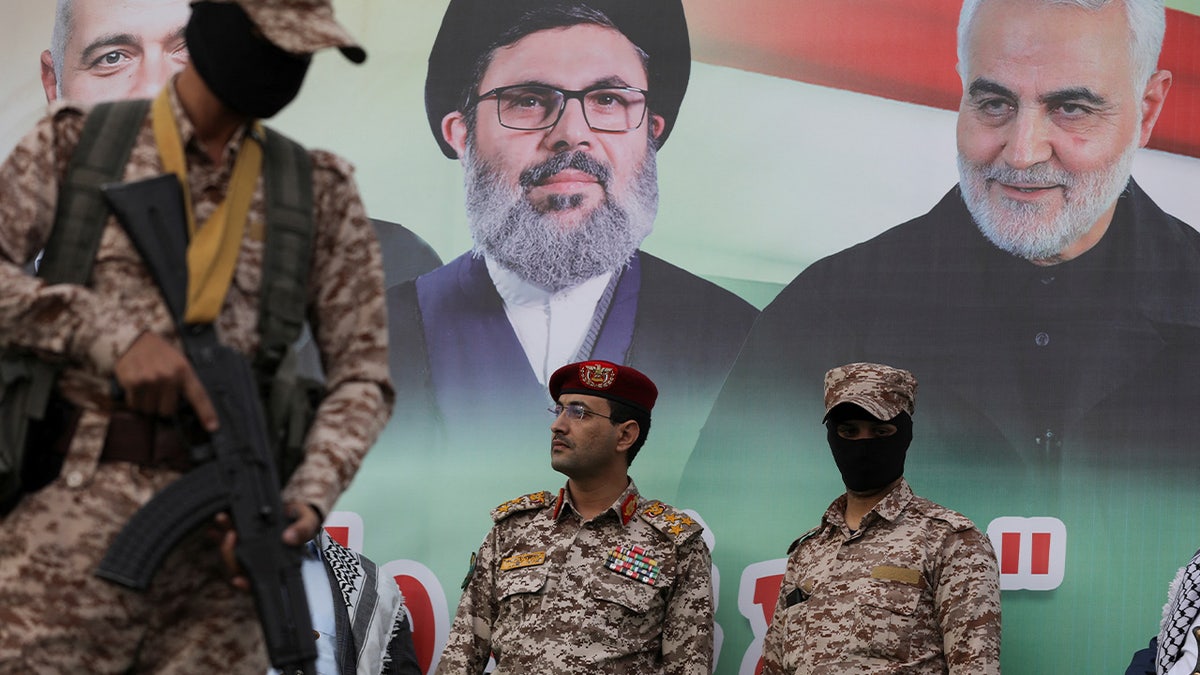
Notably absent from the agreement are references to Iran’s nuclear program or the 2015 Joint Comprehensive Plan of Action (JCPOA), which Trump abandoned in 2018. Iranian officials have not commented on whether this deal could lead to a revival of the nuclear accord, while U.S. statements emphasize economic and military de-escalation.
How the Strait of Hormuz Reopening Could Reshape Oil Markets
The Strait of Hormuz handles roughly 20% of the world’s seaborne oil trade, making its status a flashpoint in energy security. With sanctions lifted, Iranian oil exports—currently estimated at around 1 million barrels per day—could surge back to pre-sanction levels of 2.5 million barrels, according to industry analysts cited by international media. The immediate impact on global oil prices remains unclear, but traders are already positioning for volatility.
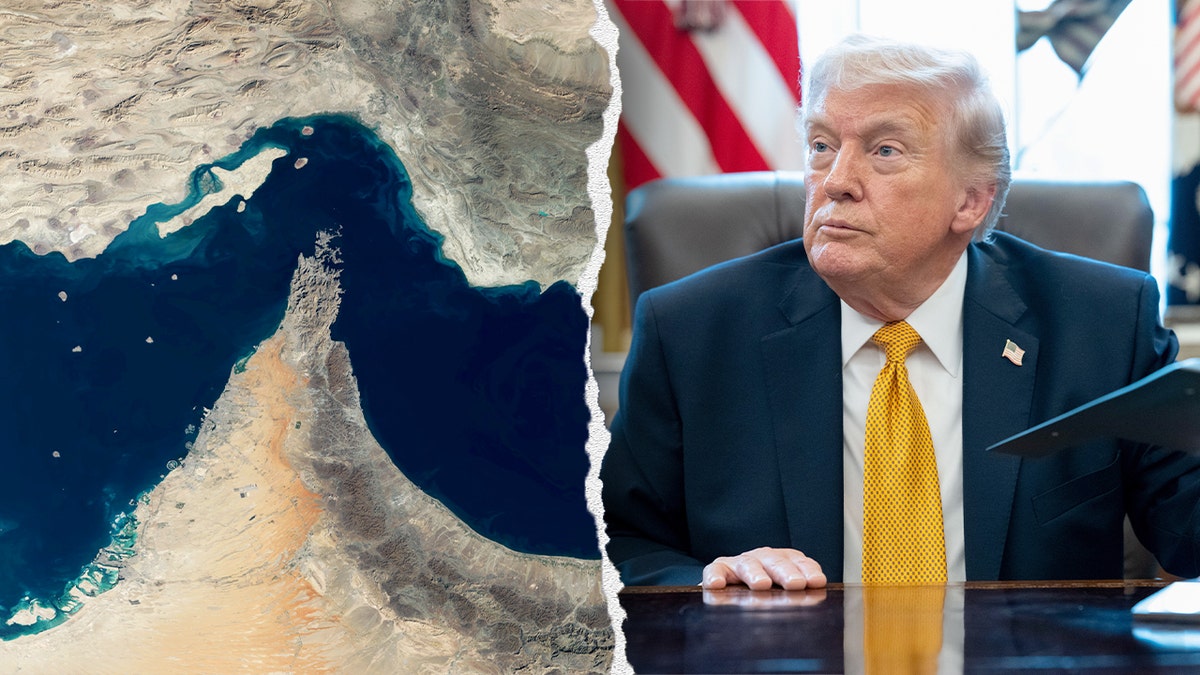
A video released by the Trump campaign shows the former president’s announcement, where he stated:
“For too long, the world has been held hostage by the Strait of Hormuz. Today, that changes. Ships of the world, put your engines in gear—this waterway is open for business.”
Iranian state media confirmed the move, adding that Tehran would “prioritize stability over confrontation” in its official response.
Regional Reactions: From Cautious Optimism to Skepticism
Saudi Arabia, which has led a coalition against Houthi rebels in Yemen, has not yet issued a formal statement but has reportedly signaled “concerns” over the deal’s potential to embolden Iranian-backed groups, according to diplomatic sources in Riyadh. Israel’s government, which has long opposed any U.S.-Iran rapprochement, described the move as a “dangerous miscalculation,” though no official sanctions or military responses have been announced.
In contrast, Russia and China—both of which have maintained economic ties with Iran despite U.S. sanctions—welcomed the agreement. A statement from China’s Foreign Ministry called it a “positive step toward reducing tensions,” while Russian officials suggested it could “pave the way for broader Middle East stability talks.”
What Happens Next: The Road Ahead for Diplomatic Follow-Up
The agreement does not include a formal end to U.S. sanctions on Iran’s central bank or its Revolutionary Guard Corps, meaning financial transactions remain restricted. However, Iranian officials have indicated that further negotiations on these issues will begin within 30 days, according to a joint statement released by both sides.

Analysts warn that the deal’s success hinges on two critical factors: whether Iran fully halts arms transfers to Yemen and whether the U.S. follows through on its pledge to end military support for Saudi operations. Failure on either front could reignite conflicts, though both sides have framed this as a “good faith” effort to avoid escalation.
The agreement also leaves unanswered questions about Iran’s nuclear activities. While the U.S. has not demanded inspections or concessions on this front, Iranian officials have not ruled out future discussions, suggesting the door remains open for a broader diplomatic resolution.
