
Courts Deny Last-Ditch Kennedy Center Bid to Delay Removing Trump’s Name
A judge has rejected a request from the Kennedy Center to extend the deadline for removing Donald Trump’s name from the arts center’s branding. This ruling follows a missed deadline and internal directives ordering staff to strip the former president’s name from the facility, according to court documents and reports from Axios and Politico.
Why did the courts reject the Kennedy Center’s request for more time?
The court denied the Kennedy Center’s last-minute attempt to push back the deadline for removing Donald Trump’s name because the center had already failed to meet a previously established timeline. According to reports from The Washington Post and The Wall Street Journal, the center sought a “last-ditch” extension to delay the process, but the presiding judge upheld the original order for immediate removal.
The legal friction centered on the center’s inability to comply with the court-ordered date. While the administration attempted to argue for more time to manage the logistics of the removal, the court found no sufficient grounds to grant an extension. This decision effectively ends the center’s legal maneuvering to keep the branding in place.
Key factors in the court’s decision include:
- Missed Deadlines: The center failed to meet the primary date set by the court for the removal of the name.
- Lack of Justification: The “last-ditch” bid did not provide a compelling legal or operational reason that outweighed the existing court order.
- Judicial Consistency: The judge focused on upholding the order to ensure the removal proceeded without further delay, as reported by Axios.
How is the Kennedy Center implementing the removal of the branding?
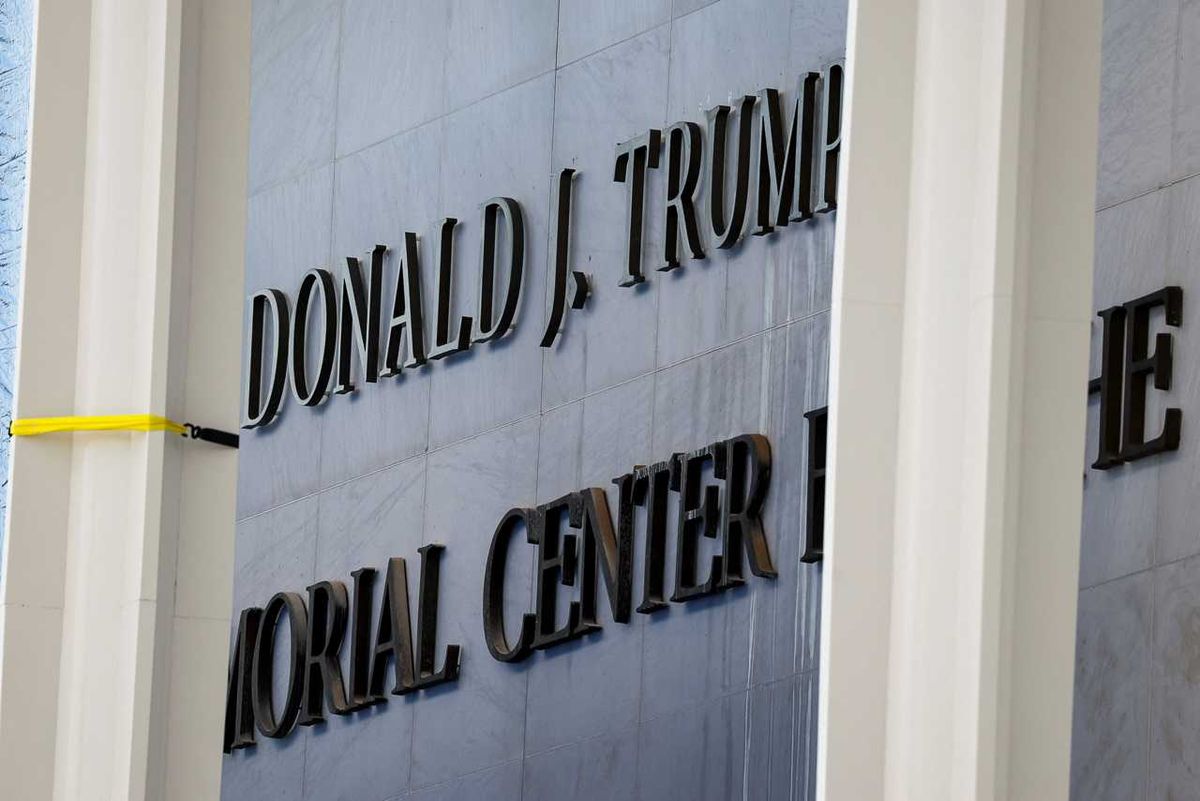
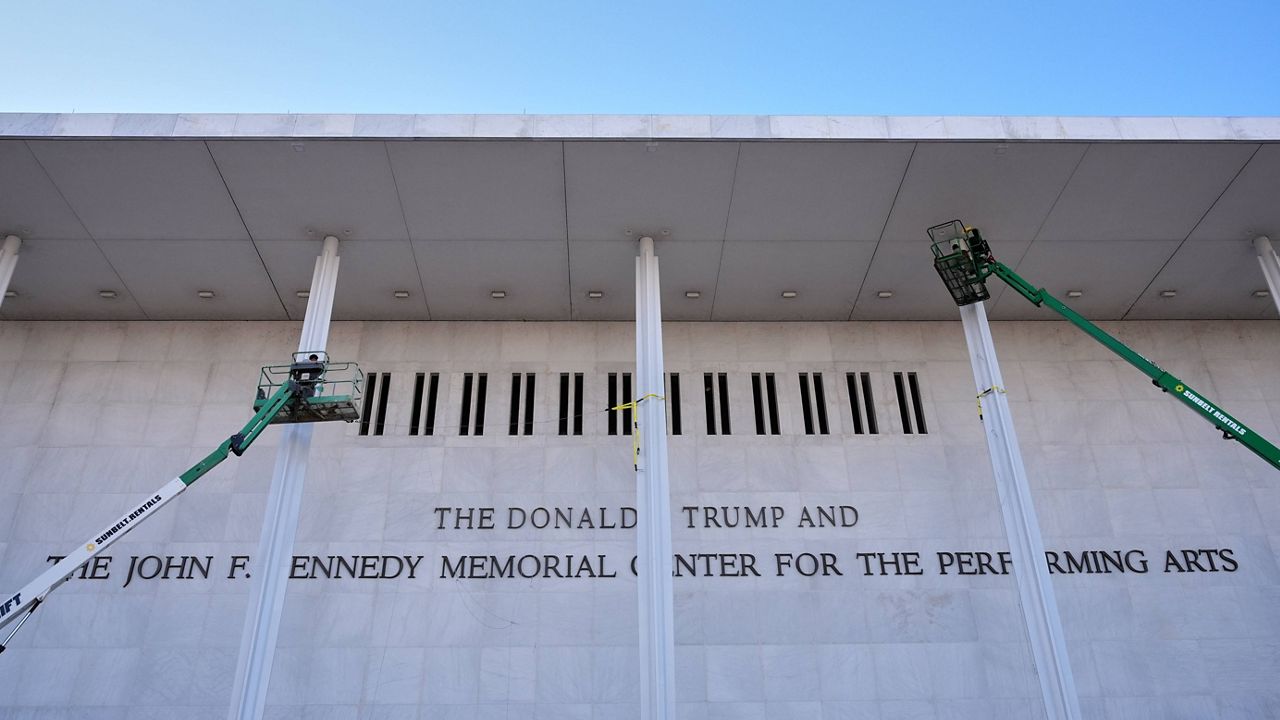
The removal of the Trump branding is being handled through both administrative directives and physical changes to the center’s signage and digital presence. According to a memo obtained by Politico, the Kennedy Center leadership issued a direct order to staffers to begin the process of scrubbing the name from the arts center.
The implementation involves several layers of branding:
- Physical Signage: Removing plaques, banners, or engraved names from the facility.
- Digital Assets: Updating the official website, social media profiles, and digital programs.
- Internal Documentation: Revising memos and official records to reflect the change in branding.
AP News reported that the drop in “Trump” branding coincided with the revelation of guests for Bill Maher’s Twain Award, suggesting a strategic effort to align the center’s public image with upcoming high-profile events. The timing indicates that the center is moving quickly to comply now that legal avenues for delay have been exhausted.
What is the timeline of the legal battle over the naming rights?
The effort to remove the name has progressed through a series of legal challenges and missed milestones. The following table outlines the sequence of events based on reports from The Washington Post, WSJ, and Axios.
| Event | Detail | Source Attribution |
|---|---|---|
| Initial Order | Court mandates the removal of Trump’s name from the center. | Axios |
| Deadline Missed | The Kennedy Center fails to remove the branding by the specified date. | Wall Street Journal |
| Internal Memo | Staffers are directed to start the removal process. | Politico |
| Last-Ditch Bid | Kennedy Center requests a court extension to delay removal. | Washington Post |
| Court Denial | Judge upholds the original order and denies the extension. | Axios / Washington Post |
Who are the primary stakeholders in this dispute?
The conflict involves a mix of judicial, administrative, and political figures. The primary stakeholders include:
The Judiciary
The presiding judge played a decisive role by upholding the order to remove the name. By denying the extension, the court signaled that the deadlines for public-facing branding changes are binding, regardless of the administrative hurdles cited by the institution.
The Kennedy Center Administration
The center’s leadership has been caught between court mandates and operational execution. While the administration sought more time via the courts, as noted by The Wall Street Journal, they simultaneously issued internal memos to staff to begin the removal, indicating an internal acknowledgment that the change was inevitable.
The Former President and His Legal Team
Although not the primary litigants in the most recent bid for extension, the presence of Donald Trump’s name on a national landmark represents a significant point of political and symbolic contention. The removal is viewed as a decoupling of the center’s identity from the former president.
Why does the removal of a name from a national arts center matter?
The removal of a name from a venue like the Kennedy Center is rarely just a matter of signage; it is a symbolic act regarding legacy and institutional values. In the context of national landmarks, naming rights often reflect the perceived prestige or contributions of an individual at a specific point in time.

“The removal of branding from a national institution often serves as a public record of a shift in the institution’s relationship with a former benefactor or political figure.”
This specific case highlights a broader trend where institutions are re-evaluating the names associated with their facilities. The legal battle described by The Washington Post and Axios demonstrates that these changes can be fraught with procedural delays and judicial oversight when the parties involved are of high public profile.
Furthermore, the timing mentioned by AP News—linking the removal to the Twain Award—suggests that the center is sensitive to the optics of its guest lists and the political leanings of its patrons. When an institution hosts figures like Bill Maher, the presence of conflicting political branding can create a narrative clash that the center’s administration appears keen to avoid.
Common misconceptions about the Kennedy Center naming dispute
Several misunderstandings have circulated regarding the nature of this removal. Clarifying these points provides a more accurate picture of the legal reality.
Misconception: The removal was a voluntary decision by the board.
Correction: The removal was the result of a court order. As reported by Axios, the judge upheld the order to remove the name, and the center’s attempts to delay this process through the courts were unsuccessful.
Misconception: The center was unable to remove the name due to technical difficulties.
Correction: While the center requested more time, the court’s denial suggests that the delays were not viewed as legally justifiable. The internal memo cited by Politico shows that the center had the capacity to direct staff to perform the task; the delay was a matter of timing and legal strategy rather than technical impossibility.
Misconception: This is a standard administrative update.
Correction: The involvement of “last-ditch” court bids and missed deadlines indicates a contentious process. This was not a routine update but a legally mandated change that the center attempted to postpone.
Comparative analysis of media framing
Different news outlets highlighted different aspects of this story, providing a fragmented but comprehensive view of the event. The Wall Street Journal focused heavily on the procedural failure, emphasizing the missed deadline and the center’s desire for more time. This framing positions the story as one of administrative mismanagement or legal struggle.
In contrast, Politico focused on the internal mechanics, reporting on the memo sent to staffers. This framing shifts the focus to the internal culture of the Kennedy Center and the top-down nature of the directive. Meanwhile, AP News linked the branding change to cultural events, specifically the Twain Award and Bill Maher, framing the removal as a move to curate a specific atmosphere for high-profile guests.
The Washington Post and Axios provided the judicial bookend, focusing on the court’s refusal to grant the extension. Their reporting emphasizes the finality of the legal process, framing the “last-ditch” bid as a failed attempt to stall the inevitable.
For those interested in how naming rights function in other federal or quasi-federal institutions, a related explainer on public landmark naming conventions may provide further context on the legal precedents involved.
Frequently Asked Questions
What was the “last-ditch bid” mentioned in the reports?
The “last-ditch bid” refers to a final legal request made by the Kennedy Center to the court to extend the deadline for removing Donald Trump’s name from the center’s branding. This request was denied by the judge.
Did the Kennedy Center want to remove the name?
The reports indicate a complex position. While the center issued internal memos to staffers to remove the name (Politico), they also sought court extensions to delay the process (WSJ), suggesting a struggle between operational compliance and a desire to postpone the action.
Who ordered the removal of the name?
The removal was mandated by a court order. Axios reported that the judge upheld this order, making the removal a legal requirement rather than a purely discretionary choice by the Kennedy Center’s board.
How does the Twain Award fit into this story?
According to AP News, the removal of the branding occurred around the time the guest list for Bill Maher’s Twain Award was revealed. This suggests the center wanted the branding updated before the event to avoid political contradictions during the ceremony.
What happens if the Kennedy Center continues to miss deadlines?
Failure to comply with a court order can lead to various legal sanctions, including contempt of court. Given that the judge has already denied the request for more time, the center is under significant legal pressure to complete the removal immediately.
