
The U.S. and Iran have agreed to a temporary ceasefire and a partial resumption of oil shipments through the Strait of Hormuz, marking a rare diplomatic breakthrough in a region long defined by tension. The deal, announced amid a backdrop of escalating proxy conflicts, comes as global oil markets brace for potential disruptions—and as political analysts dissect its timing ahead of the U.S. presidential election.
Why the deal matters
The agreement, struck after weeks of indirect negotiations, includes a halt to military hostilities and a phased return of Iranian oil exports, though analysts warn full capacity could take weeks or months to restore. According to Bloomberg, the move follows a surge in attacks on commercial shipping in the Gulf, which had threatened to destabilize energy markets. The deal’s immediate impact on oil prices remains uncertain, but traders are watching closely: even a partial reopening of Hormuz could ease supply concerns, though geopolitical risks persist.
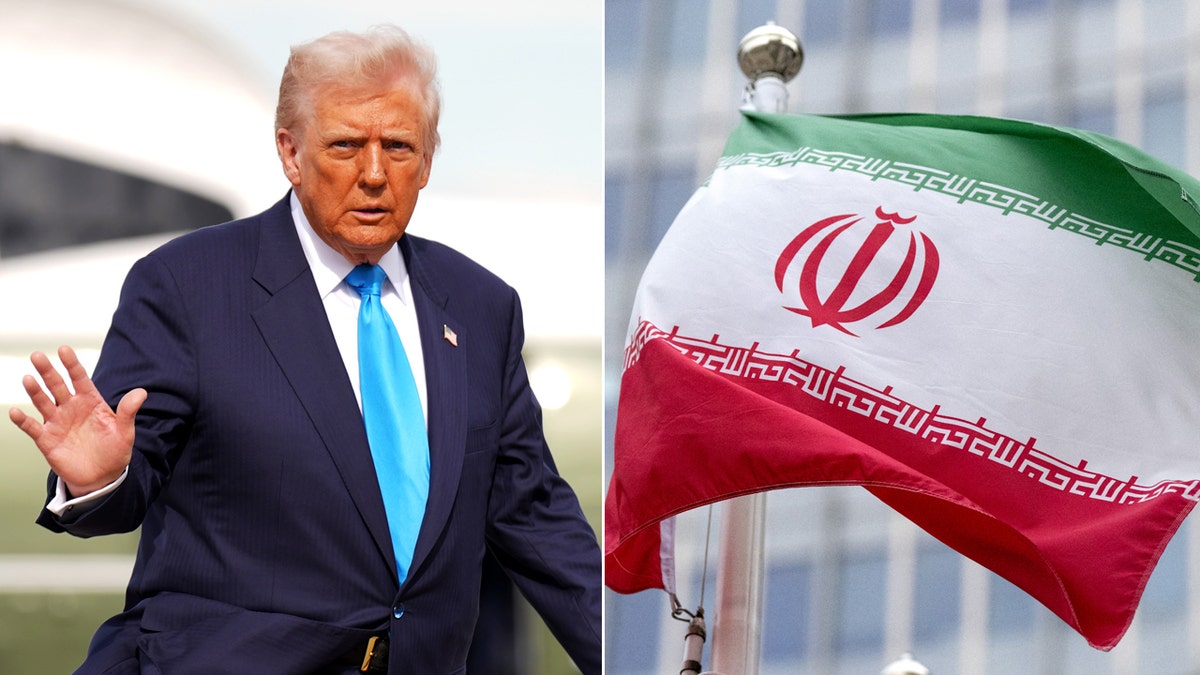
The timing of the announcement has sparked immediate speculation. A BBC analysis frames it as a potential political gift for former U.S. President Donald Trump, who has repeatedly criticized the Biden administration’s Iran policy. “Trump will likely portray this as proof his approach would have secured better terms,” the outlet notes, though Iranian officials and some U.S. officials have downplayed any direct link to the election cycle.
Reactions on the ground—and the skepticism ahead
Inside Iran, public sentiment is divided. Some citizens view the deal as a rare diplomatic victory, while others remain deeply skeptical, citing a history of broken agreements. “Trump will break this when he gets the chance,” one Iranian analyst told El País, reflecting widespread fears that any U.S.-Iran détente is temporary. The Chicago Tribune reports that even if Hormuz reopens, the full flow of oil could take weeks or months, depending on insurance risks and logistical hurdles.
What happens next?
The deal does not address broader sanctions or Iran’s nuclear program, leaving key questions unanswered. The U.S. has not confirmed whether the agreement includes a formal end to hostilities or is merely a pause, and Iranian officials have not detailed long-term commitments. For now, the focus remains on whether the ceasefire holds—and whether global oil markets stabilize as a result.
One thing is clear: this is not the end of the story. The Strait of Hormuz remains a flashpoint, and the political calculus in Washington and Tehran is as volatile as ever. What’s next depends on whether both sides can turn this fragile truce into lasting stability—or if it collapses under the weight of deeper divisions.
