Peru’s business sector is bracing for uncertainty as investor confidence wanes ahead of the country’s second-round presidential vote, with industry leaders demanding concrete policy commitments to stabilize the economy and restore growth.
The stakes are high for the nation’s creative and commercial sectors, where political instability has historically disrupted investments in film, music, and media production. According to local media reports, the Confederación Nacional de Instituciones Empresariales Privadas (CONFIEP), Peru’s most powerful business federation, has outlined five non-negotiable demands for the incoming government, including political stability, a broad-based cabinet, and labor reforms to attract foreign capital.
What’s Driving the Panic Among Investors?
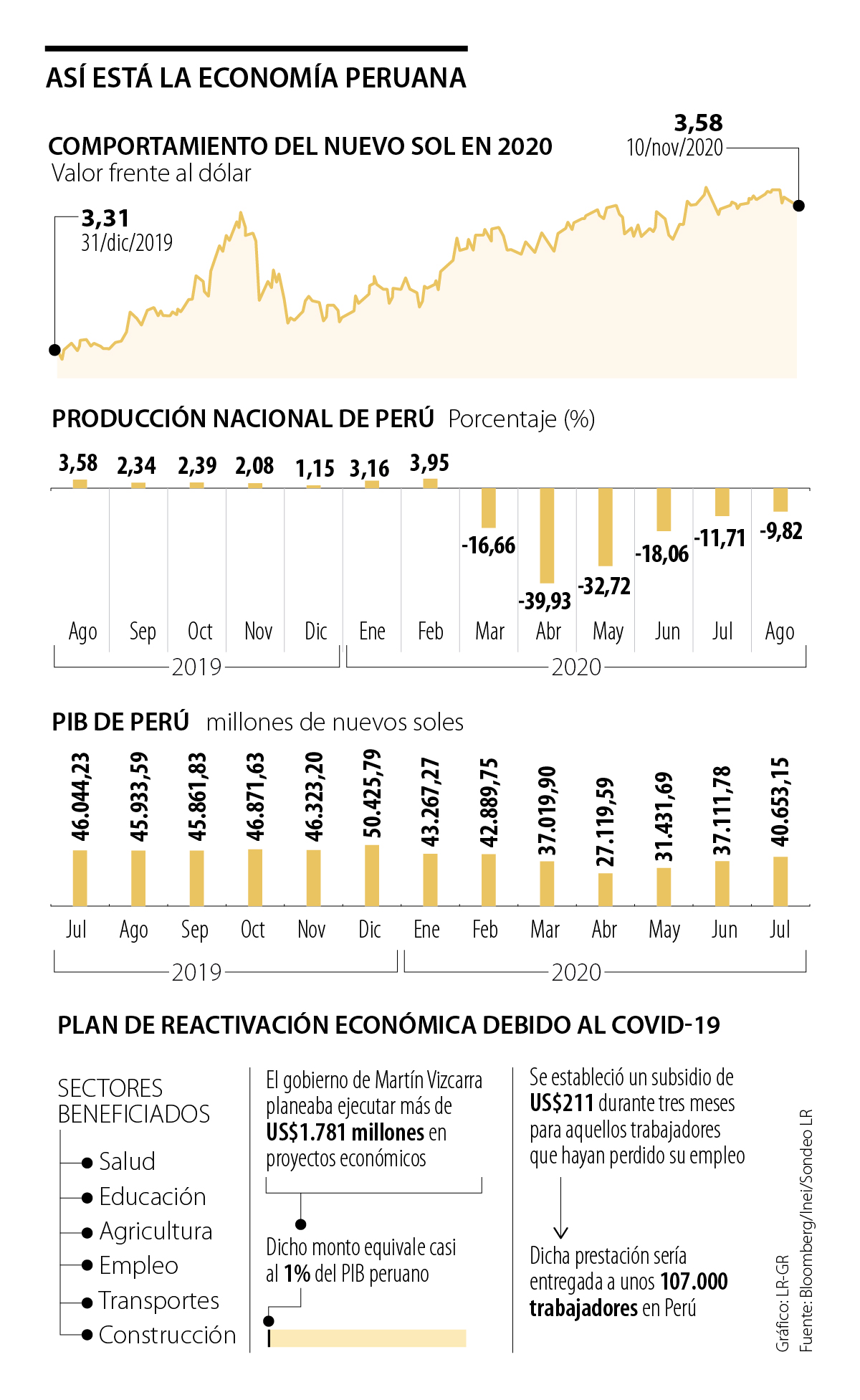
Peru’s financial markets have reacted sharply to the tight race between Pedro Castillo and Keiko Fujimori, with the sol currency dropping against the dollar and bond yields spiking. According to Gestión, the Peruvian Stock Exchange (BVL) saw its benchmark index fall nearly 5% in the week leading up to the runoff, signaling deep investor anxiety.

Business leaders warn that without clear economic policies, Peru risks losing momentum in sectors that have become vital to its cultural and economic identity. The country’s film industry, for example, has seen a surge in international co-productions—including collaborations with European and Latin American studios—while its music scene, led by artists like Gian Marco and Tini, has gained global attention. A political shift could derail these gains, particularly if trade agreements or tax incentives for creative industries are revised.
The Five Demands Shaping Peru’s Next Government
CONFIEP’s demands reflect a broader push to align Peru’s economic strategy with regional trends. The federation’s priorities, as outlined in statements to RPP and América TV, include:
- Political stability: Ending the cycle of frequent government changes that have deterred long-term investments.
- A broad-based cabinet: Including representation from business, labor, and civil society to ensure policy legitimacy.
- Labor reforms: Simplifying hiring and firing processes to boost employment, a critical issue for Peru’s youth-driven workforce.
- Trade agreements: Expanding free trade deals to strengthen exports, particularly in sectors like textiles and agribusiness.
- Tax incentives: Protecting subsidies for creative industries, which have become a key driver of soft power and tourism revenue.
These demands come as Peru’s unemployment rate hovers around 7%, with youth unemployment nearing 20%, according to El Comercio. The business sector argues that without these reforms, Peru risks falling behind neighbors like Chile and Colombia, which have successfully courted foreign investment in both traditional and creative industries.
How the Creative Sector Could Be Affected
The entertainment industry is particularly vulnerable to political shifts. Peru’s film sector, for instance, has benefited from tax breaks that encouraged productions like “The Night Eternal” (2020) and “The Milk of Sorrow” (2009), which won the Golden Bear at Berlin. Music festivals like Perú Lindo and Lima Jazz Festival have also drawn international artists, generating millions in tourism revenue.
“The creative economy is a barometer for investor confidence,” said Carlos Álvarez, a Lima-based producer who has worked on several Peruvian-EU co-productions. “If the government signals instability, foreign studios will pull out, and local talent will struggle to find financing.”
Industry analysts note that Peru’s success in recent years has hinged on its ability to position itself as a low-cost, high-quality production hub. A lack of clarity on trade policies could reverse that progress, particularly if new tariffs or bureaucratic hurdles emerge.
What Happens Next?
The outcome of Peru’s June 6 runoff will determine the pace of these reforms. Both Castillo and Fujimori have pledged to engage with business leaders, but their track records suggest divergent approaches: Castillo has aligned with labor unions, while Fujimori’s past government was criticized for favoring corporate interests.
According to Infobae, CONFIEP has already signaled it will withhold full support until the new president delivers on stability and economic reforms. The federation’s stance underscores a broader regional trend, where business confidence is directly tied to political predictability—a lesson Peru’s creative industries may learn the hard way.
