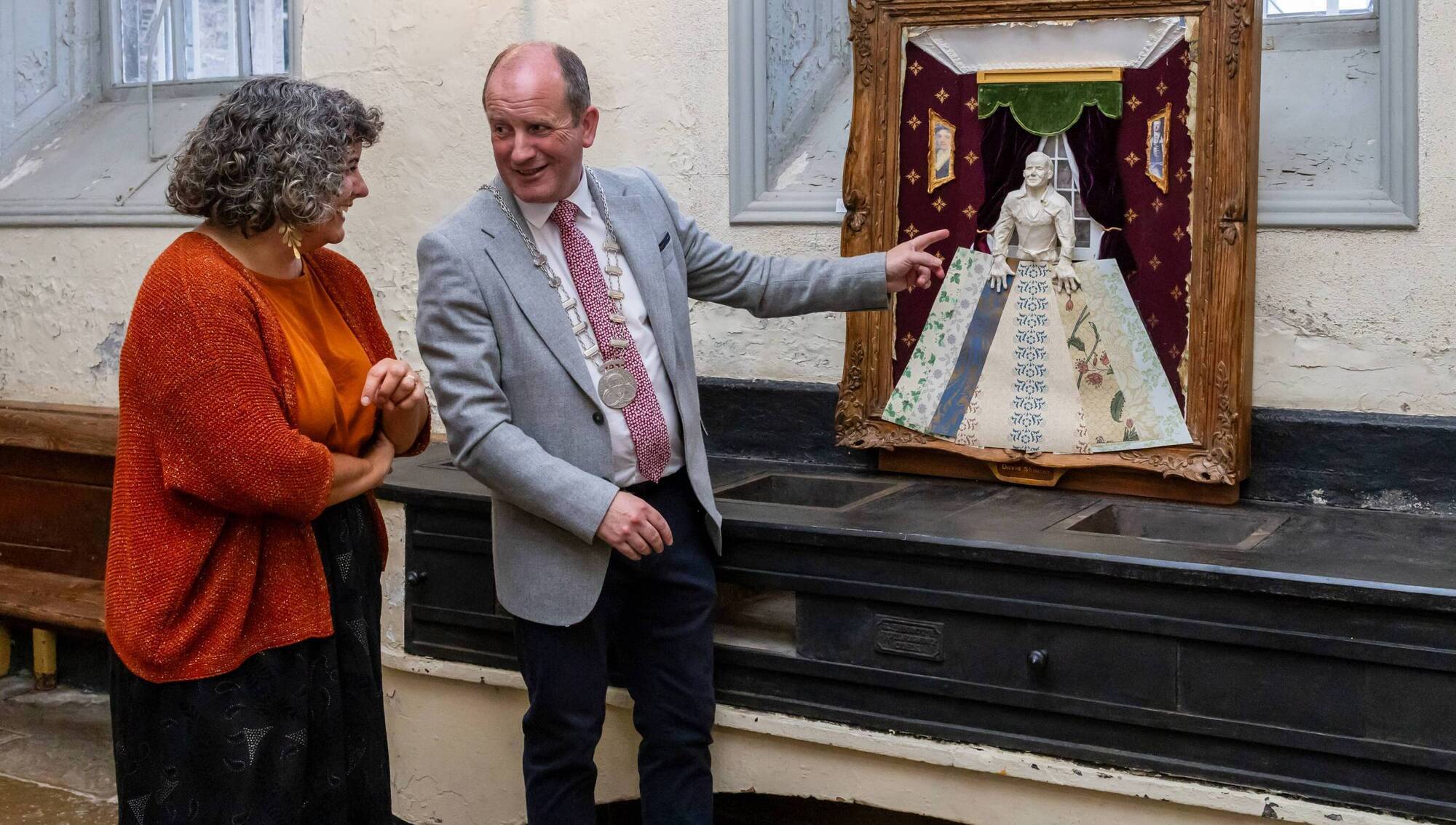
Cork Councillor Reunites with Birth Parents and Six Siblings After Adoption from Mother and Baby Home
A Cork councillor has reunited with their birth parents and six siblings after being adopted from a Mother and Baby Home, according to reports regarding the case of a Cork councillor adopted from mother and baby home reunited with birth parents and six siblings – Irish Examiner. The reunion follows a search for biological origins rooted in Ireland’s history of institutional care and forced adoptions.
How the Reunion with Birth Parents and Siblings Occurred
The reunion centers on a Cork local representative who spent decades seeking the identity of their biological family. After being placed in a Mother and Baby Home as an infant, the councillor was adopted into a new family, a common practice in mid-20th century Ireland. The process of reconnection involved navigating fragmented institutional records and utilizing modern tracing methods to locate birth parents and a large group of biological siblings.
According to the account of the reunion, the councillor discovered they were one of seven children. The discovery of six siblings, in addition to the birth parents, highlights the scale of family separation that occurred within the Mother and Baby Home system. This specific case underscores the emotional complexity of reclaiming an identity that was legally and socially erased at birth.
Key elements of the reconnection process included:
- Record Retrieval: Accessing archives from the institution where the councillor was housed.
- Family Outreach: Contacting biological relatives who were often unaware of the specific circumstances of the adoption.
- Emotional Integration: The process of integrating into a large, existing family unit after a lifetime of separation.
The Role of Mother and Baby Homes in Irish Society
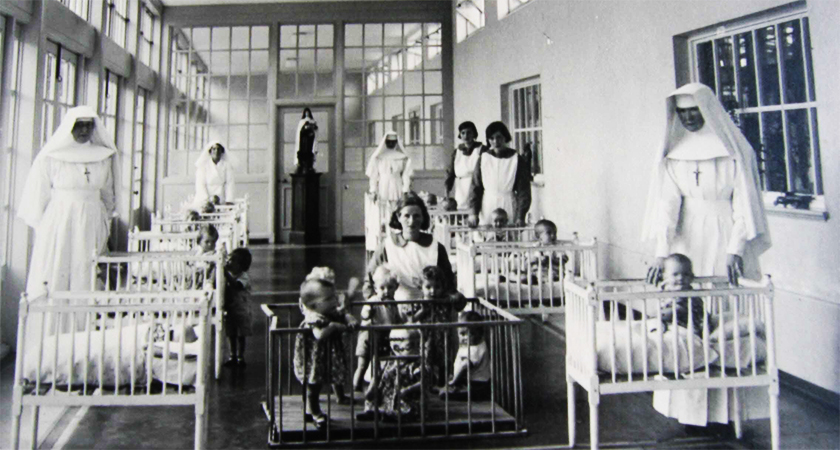
The councillor’s experience is a singular instance of a systemic phenomenon. Mother and Baby Homes were institutions managed by religious orders and funded by the Irish state. These homes were designed to house unmarried mothers and their children, often under conditions of extreme social stigma and institutional control.
According to the Commission of Investigation into Mother and Baby Homes, these institutions operated on a philosophy of “moral rescue,” which frequently translated into the forced separation of mothers and children. The state and the church collaborated to ensure that children born out of wedlock were removed from their mothers to avoid social scandal, often leading to adoptions that were not fully consensual.
The councillor’s case reflects several common themes identified in national reports:
- Forced Separations: Mothers were often pressured or coerced into signing adoption papers.
- Identity Loss: Children were stripped of their original names and birth records were frequently sealed or altered.
- Institutional Secrecy: Religious orders often controlled the flow of information, making it nearly impossible for adopted adults to find their origins.
Understanding the Legal Framework for Adoption Records
For decades, adopted persons in Ireland faced significant legal hurdles when trying to access their birth certificates or adoption files. The secrecy surrounding Mother and Baby Homes was reinforced by legal structures that prioritized the privacy of the adoptive family and the biological parents over the rights of the adopted child.

The Birth Information and Tracing Act 2022 marked a legislative shift in this regard. This law allows adopted people to apply for their birth certificates and adoption records, providing a legal pathway to the kind of reunion experienced by the Cork councillor.
| Era | Access to Records | Primary Driver |
|---|---|---|
| Pre-2022 | Highly restricted; required consent from birth parents/adoptive parents. | Privacy and social stigma. |
| Post-2022 | Statutory right to access birth certificates and adoption files. | Human rights and the right to identity. |
While the Birth Information and Tracing Act provides the legal mechanism, the actual discovery of family often depends on the quality of the records kept by the religious orders. In many cases, records were lost, destroyed, or intentionally obscured, meaning DNA testing has become a primary tool for those seeking their biological relatives.
The Social and Psychological Impact of Forced Adoption
The reunion of a public figure, such as a Cork councillor, brings national attention to the psychological trauma associated with institutional adoption. Experts in adoption and trauma note that the “primal wound” of separation from a birth mother can persist throughout adulthood, regardless of the quality of the adoptive home.
The discovery of six siblings introduces a new layer of complexity. For the councillor, the reunion is not just about finding parents, but about reconstructing a lost sibling network. This process often involves “genetic mirroring,” where adopted individuals find comfort and validation in seeing their own physical and personality traits reflected in biological siblings.
Common challenges faced by those reuniting with birth families include:
- Emotional Volatility: Navigating the guilt of birth parents and the resentment of the adopted child.
- Family Integration: Fitting into an established family dynamic where others may feel protective or hesitant.
- Grief: Mourning the decades of lost time and the missed milestones of childhood and adolescence.
Comparing the Cork Case to National Trends
The case of the Cork councillor differs from many other Mother and Baby Home narratives due to the size of the biological family discovered. While many adopted individuals find a single parent or one sibling, the discovery of six siblings indicates a specific family history of repeated institutionalization. This suggests a cycle where multiple children from the same parents were processed through the state and church system.
This pattern was common among women who had multiple children outside of marriage. Under the social norms of the time, these women were often viewed as “incorrigible,” leading to prolonged stays in institutions and the systematic removal of every child they bore. The councillor’s experience provides a concrete example of how these policies fractured entire family trees.
For more context on these institutional practices, readers may find a related explainer on the Commission of Investigation into Mother and Baby Homes useful for understanding the scale of the national tragedy.
The Ongoing Struggle for Accountability
While individual reunions provide personal closure, they do not resolve the broader demand for state and church accountability. Survivors of Mother and Baby Homes continue to lobby for full reparations and a complete apology from the religious orders involved.
The controversy surrounding the funding of the final report of the Commission of Investigation remains a point of contention. Many survivors argue that the state attempted to shift the financial burden of the investigation onto the survivors themselves, or that the religious orders were not held sufficiently accountable for the abuses and forced adoptions that took place.
The councillor’s public status may amplify these calls for justice. By sharing a personal story of reunion, public figures can highlight the human cost of administrative policies, transforming a political debate into a human rights issue.
Frequently Asked Questions about Mother and Baby Homes and Reunions
What were Mother and Baby Homes in Ireland?
They were residential institutions run by religious orders and funded by the state to house unmarried mothers and their children. They were characterized by strict discipline, forced labor, and the systematic separation of mothers from their babies for adoption.
How can adopted people in Ireland find their birth parents now?
Under the Birth Information and Tracing Act 2022, adopted individuals can apply for their birth certificates and adoption records. Many also use commercial DNA testing services to find biological relatives when official records are missing.
Why were so many children adopted from these homes?
Social and religious stigma surrounding pregnancy outside of marriage led to a culture where “illegitimacy” was seen as a shame to be hidden. Adoption was used as a tool to “reset” the child’s social status and remove the evidence of the mother’s “sin.”
What is the role of the Birth Information and Tracing Act 2022?
This legislation provides a legal right for adopted people to access their original birth records, which were previously sealed. It aims to uphold the right to identity and facilitate reunions between biological relatives.
Are the religious orders still accountable for these adoptions?
There is ongoing legal and political debate regarding the liability of religious orders. While the state has conducted investigations, many survivors believe that the orders have not provided sufficient records or reparations for the trauma caused by forced adoptions.
The reunion of the Cork councillor with their birth parents and six siblings serves as a reminder of the thousands of families fractured by institutional policies. While the individual joy of reconnection is significant, it remains anchored in a history of state-sanctioned separation and a continuing struggle for transparency and truth in the Irish archives.
