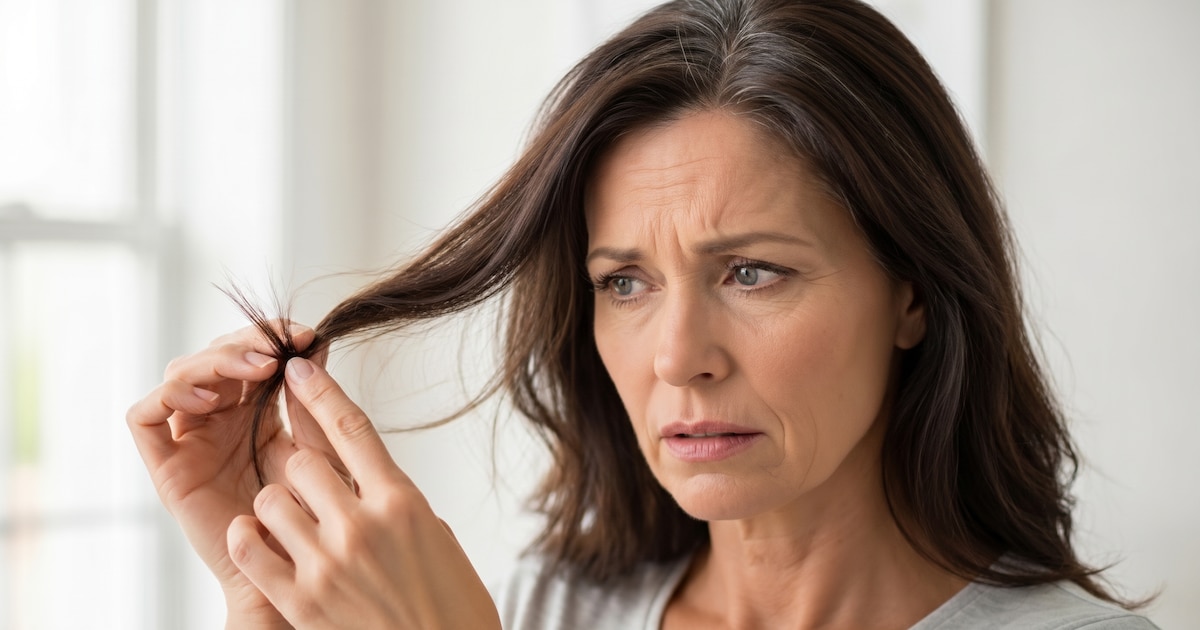
Hair loss in women over 50 is frequently driven by the decline of estrogen during menopause, which allows androgens to shrink hair follicles, according to health reports. This biological shift shortens the hair growth cycle and leads to a process called miniaturization, resulting in thinner strands and increased shedding.
- Hormonal Trigger: A drop in estrogen levels reduces the duration of the hair’s growth phase.
- Follicle Miniaturization: Increased androgen dominance causes follicles to shrink, producing finer, shorter hairs.
- Multiple Pathways: Hair loss can manifest as gradual thinning (androgenetic alopecia) or sudden shedding (telogen effluvium).
- Contributing Factors: Nutritional deficiencies in iron, zinc, and biotin, alongside thyroid dysfunction, can exacerbate hormonal loss.
Why Estrogen Loss Affects Hair Growth
Estrogen plays a critical role in maintaining hair density by prolonging the anagen phase, or the active growth period of the hair follicle. According to health reports, when estrogen levels plummet during menopause, the balance of hormones shifts in favor of androgens, such as testosterone.
These androgens can cause the hair follicles to shrink. As the follicle becomes smaller, the hair produced is thinner and lacks pigment, eventually leading to a visible decrease in hair volume across the scalp, particularly at the crown and the parting line.
Distinguishing Between Types of Hair Loss
Medical reports distinguish between two primary forms of hair loss common in women over 50. Androgenetic alopecia is a gradual process characterized by the widening of the center part and a general thinning of the hair. This is typically linked to genetics and the aforementioned hormonal shifts.
In contrast, telogen effluvium is described as a more abrupt form of shedding. This occurs when a significant number of hairs are pushed prematurely into the telogen, or resting, phase. This shift is often triggered by acute stressors, including severe illness, sudden weight loss, or intense emotional trauma, rather than a slow hormonal decline.
Other Factors That Exacerbate Thinning
While hormones are a primary driver, other systemic issues can accelerate hair loss in post-menopausal women. Health experts identify several key contributors:
- Nutritional Deficits: Low levels of iron, zinc, and biotin can impair the follicle’s ability to produce strong hair shafts.
- Thyroid Dysfunction: Both hypothyroidism and hyperthyroidism can disrupt the hair growth cycle, leading to diffuse thinning.
- Chronic Stress: Prolonged cortisol elevation can trigger shedding and interfere with the regeneration of follicles.
Available Treatment Options and Interventions
Treatment strategies vary based on the cause of the hair loss. According to health reports, pharmacological options include minoxidil, a topical treatment used to stimulate blood flow to the follicles and prolong the growth phase.
For those experiencing severe menopausal symptoms, Hormone Replacement Therapy (HRT) may be considered. However, medical experts emphasize that HRT must be strictly evaluated by a physician to weigh the benefits against potential risks.
Other clinical interventions mentioned include:
- Platelet-Rich Plasma (PRP): A procedure where concentrated platelets from the patient’s own blood are injected into the scalp to stimulate growth.
- Low-Level Laser Therapy: The use of specific light wavelengths to increase cellular activity in the follicle.
- Nutritional Supplementation: Targeted intake of vitamins and minerals to address specific deficiencies.
The Importance of Professional Diagnosis
Because hair loss can be a symptom of various underlying conditions—ranging from simple hormonal shifts to autoimmune disorders or thyroid failure—medical experts advise against self-diagnosis. A dermatologist or endocrinologist is typically required to conduct blood tests and scalp examinations to determine the precise cause of the thinning before initiating treatment.
