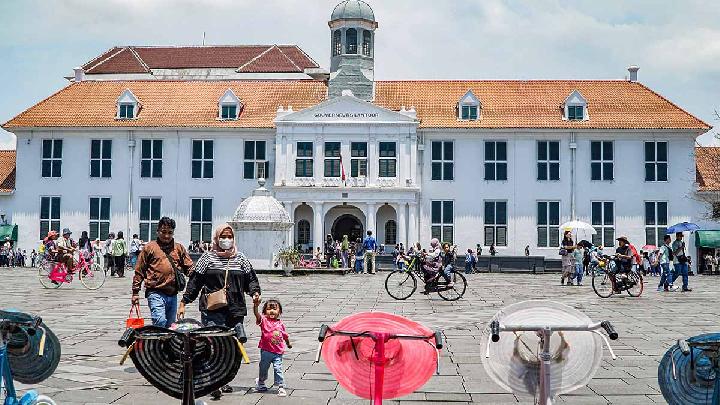
Jakarta to Launch Electric Trams in Kota Tua District by 2029
The Jakarta provincial government plans to implement an electric tram system within the Kota Tua historical district by 2029. This transit initiative aims to modernize urban mobility in the Old Town area, reduce carbon emissions, and enhance the tourist experience by integrating sustainable transport into the city’s colonial-era architecture.
What is the Jakarta Electric Tram Project for Kota Tua?
Jakarta officials are developing a plan to reintroduce trams to the streets of Kota Tua, specifically utilizing electric-powered vehicles. According to city administration plans, the project is slated for completion by 2029. Unlike the heavy rail systems of the MRT or the elevated paths of the LRT, these trams are designed to operate at street level, blending into the existing urban fabric of the historical center.
The primary goal is to create a seamless, eco-friendly transport loop that connects key landmarks within the district. By removing combustion-engine vehicles from the core of the Old Town, the city intends to lower noise pollution and improve air quality for visitors and residents. The project aligns with Jakarta’s broader strategy to transition toward electric vehicles (EVs) across all public transport sectors.
Key objectives of the electric tram implementation include:
- Pedestrianization: Reducing private vehicle access to the Fatahillah Square area to prioritize foot traffic.
- Tourism Integration: Providing a “heritage” transport experience that complements the colonial aesthetic of the district.
- Emission Reduction: Replacing diesel-powered shuttles and private cars with zero-emission electric rails.
- Intermodal Connectivity: Linking the Kota Tua tram loop with the existing TransJakarta bus network and the Jakarta Kota commuter rail station.
Why is Kota Tua the Focus for Electric Trams?
Kota Tua, the site of the former Dutch East Indies administration, serves as one of Jakarta’s most significant cultural hubs. City planners have identified the area as an ideal pilot for electric trams due to its high pedestrian volume and the government’s ongoing efforts to revitalize the zone into a world-class tourism destination.
According to urban planning documents, the current congestion in the Old Town hinders the preservation of historical buildings and discourages long-term visitor stays. By introducing a fixed-rail electric system, the city can regulate traffic flow and create a predictable transit schedule. This move is part of a larger effort to transform Jakarta into a “Global City” following the relocation of the national capital to Nusantara.
“The introduction of electric trams is not merely about transport; it is about restoring the historical identity of Kota Tua while meeting modern environmental standards,” according to city planning reports.
The choice of electric trams over electric buses is strategic. Trams provide a permanent infrastructure that encourages transit-oriented development (TOD). When businesses know exactly where a tram stop is located, they are more likely to invest in the surrounding properties, leading to more stable economic growth in the district.
Timeline and Implementation Phases
The road to 2029 involves several critical phases of development, ranging from feasibility studies to the actual laying of tracks. City officials have outlined a phased approach to ensure that the construction does not permanently disrupt the fragile colonial-era foundations of the surrounding buildings.
| Phase | Estimated Timeline | Primary Focus |
|---|---|---|
| Planning & Feasibility | 2023 – 2024 | Route mapping, soil testing, and environmental impact assessments. |
| Infrastructure Development | 2025 – 2027 | Laying of rails, installation of power grids, and station construction. |
| Testing & Integration | 2028 | Trial runs, safety certifications, and JakLingko payment integration. |
| Full Operation | 2029 | Public launch and full pedestrianization of core zones. |
The integration with JakLingko—Jakarta’s integrated ticketing system—is a priority. This will allow commuters to use a single card or app to move from a commuter train at Jakarta Kota station to an electric tram in the heart of the Old Town, and then to a TransJakarta bus to leave the district.
Environmental and Economic Implications
The shift to electric trams is a direct response to Jakarta’s struggle with air quality. By eliminating idling cars and diesel buses in a concentrated area, the city expects a measurable drop in particulate matter (PM2.5) within the Kota Tua perimeter. This is particularly important for the preservation of historical facades, as smog and acidic pollutants contribute to the degradation of old stone and paint.
Economically, the tram system is expected to increase the “dwell time” of tourists. When visitors can move easily between the Jakarta History Museum, the Wayang Museum, and various cafes without navigating chaotic traffic, they spend more time and money in the area. This supports local SMEs and street vendors who operate within the revitalized zone.
Impact on Local Businesses
While some business owners initially expressed concern over the loss of direct car access to their storefronts, city officials point to global examples—such as in Europe and Asia—where pedestrian-first zones with tram systems actually increased retail foot traffic. The transition focuses on moving the “last mile” of the journey from a private car to a public electric shuttle.
Sustainability Metrics
The project contributes to Jakarta’s commitment to reach net-zero emissions. By utilizing electricity—which the government aims to source increasingly from renewable energy—the tram system removes the reliance on fossil fuels for short-distance transit within the heritage zone.
Comparing the Electric Tram to Other Jakarta Transit Options
To understand the role of the electric tram, it is necessary to compare it with the existing transit pillars of the city. The tram is not intended to replace the MRT or LRT but to serve as a specialized “micro-transit” solution.
- MRT (Mass Rapid Transit): High-capacity, high-speed, underground or elevated. Designed for long-distance commuting across the city.
- LRT (Light Rail Transit): Medium-capacity, elevated. Designed to connect suburbs to the city center.
- TransJakarta: Flexible, road-based bus system. High coverage but subject to road traffic.
- Kota Tua Electric Tram: Low-to-medium capacity, street-level. Designed for short-distance, high-frequency loops within a specific cultural zone.
The tram fills a gap in the current network: the “heritage loop.” While a bus can do the same route, the tram provides a fixed, reliable path that enhances the aesthetic value of the district, making the journey part of the attraction itself.
Challenges and Potential Obstacles
Implementing a rail system in a century-old district is not without risks. Engineering teams must account for the soft soil of North Jakarta and the potential for land subsidence, which has historically plagued the city.
Structural Integrity of Heritage Sites
The vibration from trams, even electric ones, can potentially impact the foundations of colonial buildings. City planners are investigating “floating slab” track technology, which uses rubber dampeners to absorb vibrations before they reach the surrounding soil. This is a critical step to ensure that the 2029 goal does not come at the cost of the district’s architectural history.
Funding and Procurement
The project requires significant capital investment for both the rolling stock (the trams themselves) and the infrastructure. Jakarta is exploring various funding models, including Public-Private Partnerships (PPP), where private investors help fund the construction in exchange for operational rights or advertising revenue along the tram lines.
Traffic Re-routing
Pedestrianizing the core of Kota Tua means that current traffic must be diverted. This requires a comprehensive redesign of the surrounding road networks to prevent “bottlenecks” in the neighboring districts of West and North Jakarta. The city is currently analyzing traffic flow data to determine the most efficient perimeter roads.
The Broader Vision: Jakarta as a Global City
The electric tram project is a piece of a larger puzzle. As the administrative capital moves to East Kalimantan, Jakarta is rebranding itself as a center for finance, trade, and tourism. This requires a shift in how the city handles its public spaces.
For decades, Jakarta was designed around the private automobile. The 2029 tram plan represents a philosophical shift toward “human-centric” urbanism. By prioritizing pedestrians and electric transit, Jakarta is mirroring the urban layouts of cities like Singapore, Tokyo, or Amsterdam, where the ease of walking and public transit defines the city’s livability.
This transition is also linked to the related explainer on Jakarta’s urban revitalization efforts, which include the expansion of sidewalks and the creation of more green open spaces (RTH – Ruang Terbuka Hijau). The tram serves as the connective tissue between these new green zones and the historical landmarks.
Common Misconceptions About the Project
Several myths have circulated regarding the reintroduction of trams to Jakarta. It is important to distinguish between the plan and the misconceptions.
- Misconception: The trams will use overhead electric wires that will ruin the view of the colonial buildings.
Fact: Planners are looking into “catenary-free” technology, where trams use onboard batteries or ground-level power supply systems to maintain a clean skyline. - Misconception: This is just a tourist gimmick and won’t be used by locals.
Fact: The system is designed to integrate with JakLingko, making it a viable transit option for thousands of workers who commute to the Kota Tua area daily. - Misconception: The project will lead to the demolition of old buildings to make room for tracks.
Fact: The tram is designed to follow existing road layouts, meaning no heritage buildings are slated for demolition to accommodate the rails.
Frequently Asked Questions
When will the electric trams start operating in Kota Tua?
The Jakarta provincial government has set a target date of 2029 for the full operation of the electric tram system in the Kota Tua district.
Will the trams be free to use?
While official pricing has not been announced, the system is expected to be integrated into the JakLingko payment ecosystem, meaning it will likely follow the standard affordable pricing structure of Jakarta’s other public transit options.
How will the trams be powered?
The trams will be fully electric. The city is exploring both battery-powered options and ground-level power systems to avoid the need for overhead cables that could obstruct the views of historical architecture.
Will cars still be allowed in Kota Tua?
The plan involves increasing pedestrianization. While some perimeter roads will remain open, the core areas surrounding Fatahillah Square are expected to be restricted, with the electric tram serving as the primary mode of transit within the inner loop.
Does this project connect to the MRT or LRT?
Yes, the tram is designed as a “last-mile” solution. It will connect passengers arriving at the Jakarta Kota railway station and nearby TransJakarta hubs to the various museums and sites within the Old Town.
As Jakarta moves toward 2029, the success of the Kota Tua electric tram will likely serve as a litmus test for similar heritage-based transit projects in other parts of the city. The integration of sustainable technology with historical preservation marks a new chapter in Jakarta’s urban evolution, shifting the city away from car-dependency and toward a more breathable, walkable future.
