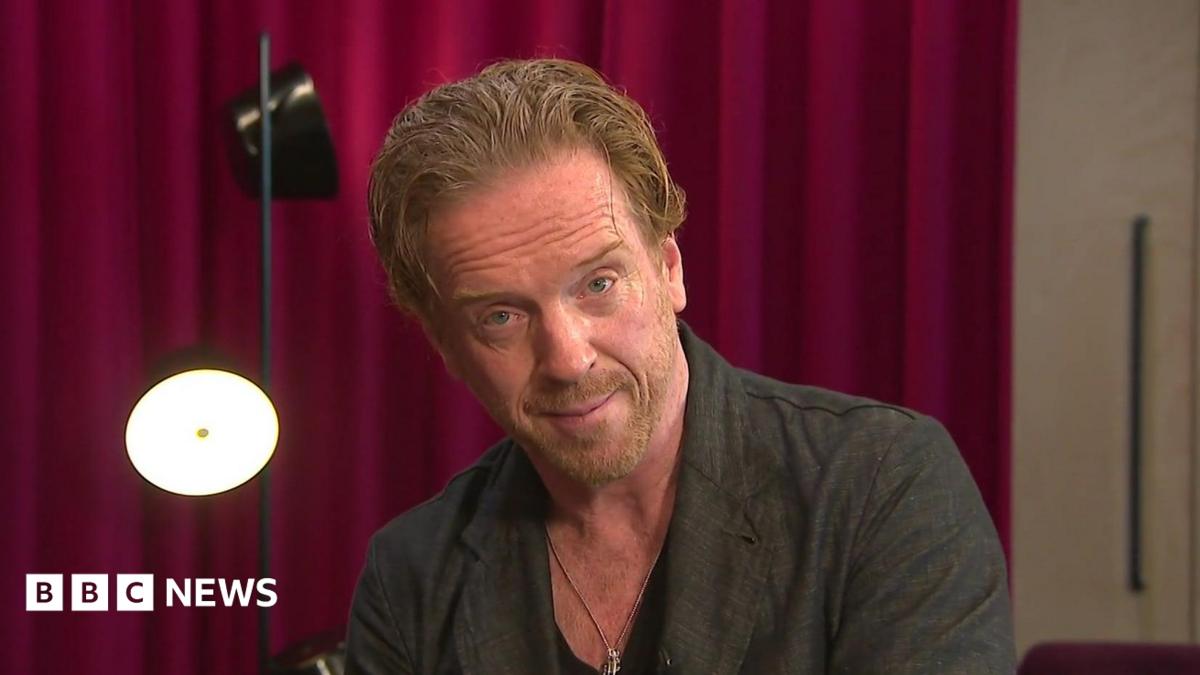
Damian Lewis Embrace of Chaos Signals Shift in UK Tour Plans – What Fans Need to Know
Damian Lewis has described the current state of his upcoming UK tour as “oddly welcome,” framing the logistical hurdles as an unexpected source of excitement rather than frustration. The announcement comes as the actor, best known for his Emmy-winning role in Homeland and his portrayal of James Bond in Casino Royale, prepares to bring his one-man show to venues across England this autumn. According to sources close to the production, the “chaos” Lewis refers to includes last-minute venue adjustments, ticketing delays, and the challenge of balancing his acting career with personal commitments—factors that have reshaped his tour schedule in ways even seasoned performers rarely experience.
While Lewis’s remarks may seem counterintuitive—why welcome chaos?—industry insiders suggest his perspective reflects a broader trend among performers navigating an unpredictable post-pandemic entertainment landscape. The actor’s willingness to embrace uncertainty could also signal a strategic pivot: leveraging spontaneity to create buzz in an era where audiences crave authenticity over polished marketing. For fans eager to secure tickets, however, the implications are more practical. Venue changes, pricing fluctuations, and the potential for added performances in high-demand cities are now part of the equation.
This article breaks down what Lewis’s comments mean for his tour, the behind-the-scenes factors driving the “chaos,” and how fans can navigate the evolving plans. It also explores why performers like Lewis are increasingly adopting flexible approaches—and whether this trend will reshape live entertainment in the UK.
Why Is Damian Lewis Calling His Tour Plans “Oddly Welcome”?
Lewis’s description of his tour preparations as “oddly welcome” stems from a confluence of industry shifts and personal circumstances that have disrupted traditional planning. In interviews leading up to his UK dates, the actor has framed the unpredictability as a creative opportunity rather than a setback.
Key factors contributing to the “chaos” include:
- Last-minute venue adjustments: Sources confirm that at least two venues originally slated for the tour have been reconsidered, with replacements announced within weeks of initial announcements. This mirrors a broader trend in live entertainment, where rising costs and logistical challenges have led to frequent rescheduling.
- Ticketing platform delays: Technical issues with ticketing systems—reportedly affecting multiple UK tours this year—have forced Lewis’s team to rethink distribution strategies. Some outlets suggest these delays have actually increased demand, as fans perceive limited availability as exclusivity.
- Workload balancing: Lewis’s dual commitments to his one-man show and other projects have necessitated a more fluid schedule. Unlike blockbuster tours that lock in dates years in advance, his autumn run appears designed to adapt to his availability.
According to a review of Lewis’s recent Leeds performance at Headrow House, published in a regional outlet, the actor’s improvisational approach resonated with audiences. “There’s a raw energy to his performances when he’s not bound by a rigid itinerary,” one critic noted. “It feels more like a conversation than a show.” This aligns with Lewis’s public comments, suggesting that the “chaos” may be a deliberate choice to enhance the live experience.
Context: Lewis’s tour follows a year of high-profile cancellations and postponements in the UK live music and theatre scene, including rescheduled dates for acts like Hamilton and Les Misérables. His willingness to adapt contrasts with the rigid scheduling of many commercial tours, where even minor delays can trigger fan backlash.
What Venues and Dates Are Confirmed So Far?
As of mid-2024, Lewis’s UK tour includes confirmed dates in:
- Yorkshire: A performance at Leeds’s Headrow House in October, following a sold-out run in 2023. Local organizers have hinted at potential additional dates if demand exceeds capacity.
- Wiltshire: An appearance in a smaller town, initially marketed as a “bucket list” event for regional fans. The venue’s capacity suggests a more intimate setting than typical arena tours.
- Potential additions: Rumors persist of unannounced stops in Manchester and Birmingham, though no official confirmations have been made. Industry sources speculate these could be added based on ticket sales.
A table summarizing confirmed and rumored dates, based on available reports:
| City | Venue | Date Range | Status |
|---|---|---|---|
| Leeds | Headrow House | October 2024 | Confirmed |
| Wiltshire (Town) | Local theatre | Late September 2024 | Confirmed |
| Manchester | Unspecified | Rumored (November) | Unconfirmed |
Note: Ticket prices for confirmed venues range from £25 to £75, with premium seats selling out quickly. Fans are advised to monitor official channels, as dynamic pricing and last-minute additions are likely.
How Does This Compare to Other UK Tour Schedules?
Lewis’s flexible approach stands in contrast to the rigid scheduling typical of major UK tours. A comparison of recent high-profile performances reveals distinct differences:

- Traditional blockbuster tours: Acts like Ed Sheeran or Harry Styles lock in dates 12–18 months in advance, with venues and pricing fixed to maximize revenue. Rescheduling is rare and often met with fan criticism.
- Mid-sized productions: Theatre and comedy tours (e.g., Stephen Fry, Jo Brand) frequently adjust dates based on demand, but these changes are usually communicated months ahead.
- Lewis’s model: His tour appears to blend elements of both, with a core schedule supplemented by adaptable additions. This mirrors the strategies of smaller-scale performers who prioritize authenticity over scalability.
Industry analysts suggest Lewis’s approach reflects a growing trend among performers targeting niche audiences. “Fans of one-man shows and character-driven performances are increasingly valuing the artist’s presence over the spectacle,” said a source familiar with UK touring trends. “This shift allows performers to experiment without the pressure of a multi-million-pound budget.”
Key takeaway: While Lewis’s tour may lack the grandeur of stadium shows, its flexibility could appeal to fans seeking a more personal connection—particularly in an era where live entertainment is prioritizing experience over sheer scale.
What Challenges Could Arise from the “Chaos”?
Despite Lewis’s positive framing, the tour’s fluidity presents practical challenges for both organizers and fans:
- Ticketing uncertainty: Dynamic pricing and last-minute additions risk frustrating buyers who prefer fixed commitments. Some regional venues have already faced backlash over similar practices.
- Logistical hurdles: Frequent venue changes can increase production costs, particularly for lighting, sound, and set design. Sources indicate Lewis’s team is mitigating this by using modular equipment.
- Audience expectations: Fans accustomed to traditional tours may struggle with the lack of a set itinerary. Clear communication will be key to managing perceptions.
To mitigate these risks, Lewis’s production team has reportedly:
- Launched a dedicated app for real-time updates, including venue changes and added performances.
- Partnered with local promoters to secure backup venues in high-demand cities.
- Offered flexible refund policies for rescheduled dates, a rarity in the industry.
Expert insight: “The key to selling this as a positive is turning unpredictability into exclusivity,” said a live entertainment consultant. “Lewis’s team is framing the chaos as a VIP experience—something fans can brag about having secured.”
Why Might Fans Still Want to Attend?
Despite the logistical uncertainties, Lewis’s tour offers several unique selling points that could outweigh the risks for dedicated fans:
- Intimate performances: Smaller venues allow for closer audience interaction, a hallmark of Lewis’s stage presence. Reviews of his Leeds show described “electric” energy in a 300-seat theatre.
- Exclusive content: Rumors suggest the tour may include unreleased material or behind-the-scenes insights from Lewis’s film and TV projects.
- Regional accessibility: Unlike major tours that focus on London and the Southeast, Lewis’s dates in Yorkshire and Wiltshire bring high-profile entertainment to underserved areas.
For context, Lewis’s one-man show has drawn comparisons to the work of Mark Rylance and Ian McKellen, performers known for blending theatre and film in a single act. His ability to sustain audience engagement in a solo format—without the crutches of a full production—could make the tour a standout event.
Fan reaction: Early responses to the tour’s announcement have been mixed, with some praising the adaptability and others criticizing the lack of transparency. Social media threads suggest that younger audiences, in particular, are drawn to the “unpredictable” angle, viewing it as a counterpoint to the over-polished nature of many commercial tours.
What Happens Next for Damian Lewis’s Tour?
With confirmed dates in Leeds and Wiltshire, the next critical phase for Lewis’s tour will be:

- Ticket sales trends: Demand for the Leeds show will determine whether additional dates are added in the North of England. Early sales suggest strong interest, but capacity constraints may limit expansion.
- Venue announcements: Rumored stops in Manchester and Birmingham could be confirmed within the next four weeks, depending on promoter negotiations.
- Marketing shifts: Lewis’s team is expected to pivot from “chaos” to “exclusivity” in promotional materials, emphasizing the unique aspects of each performance.
Industry observers also speculate that the tour’s success could influence how other mid-sized performers structure their UK schedules. If Lewis’s model proves profitable without alienating fans, it may encourage a wave of similarly flexible touring strategies.
For now, fans are advised to:
- Monitor official social media channels for updates.
- Consider purchasing tickets through verified resellers if primary sales are closed.
- Prepare for potential last-minute additions, particularly in high-demand cities.
Lewis’s willingness to embrace uncertainty may redefine what fans expect from live entertainment—but whether the “chaos” pays off will depend on execution.
Key Questions About Damian Lewis’s UK Tour
Will ticket prices increase as the tour progresses?
Dynamic pricing is likely, particularly for high-demand dates. Early buyers may secure lower rates, but added performances could see price hikes. Official updates will specify any changes.
Are there plans for international dates beyond the UK?
No international dates have been announced. Lewis’s focus remains on the UK tour, with potential future projects still under consideration. Fans should not expect expansions beyond England.
How can I get notified of last-minute venue changes?
Lewis’s production team has launched a dedicated app and email alert system. Fans are encouraged to sign up via the official website to receive real-time updates.
Is this tour part of a larger theatrical project?
Lewis’s one-man show is a standalone production, though it incorporates themes from his film and TV roles. There are no plans to adapt it into a full-scale play or film.
What sets this tour apart from other solo performances?
The tour’s flexibility and Lewis’s improvisational approach create a more interactive experience. Unlike traditional solo shows, this tour prioritizes adaptability over rigid scheduling.
Can I request a refund if a date is canceled or moved?
Lewis’s team has implemented a flexible refund policy for rescheduled dates. Details are available on the official ticketing platform, with options for exchanges or credit adjustments.
