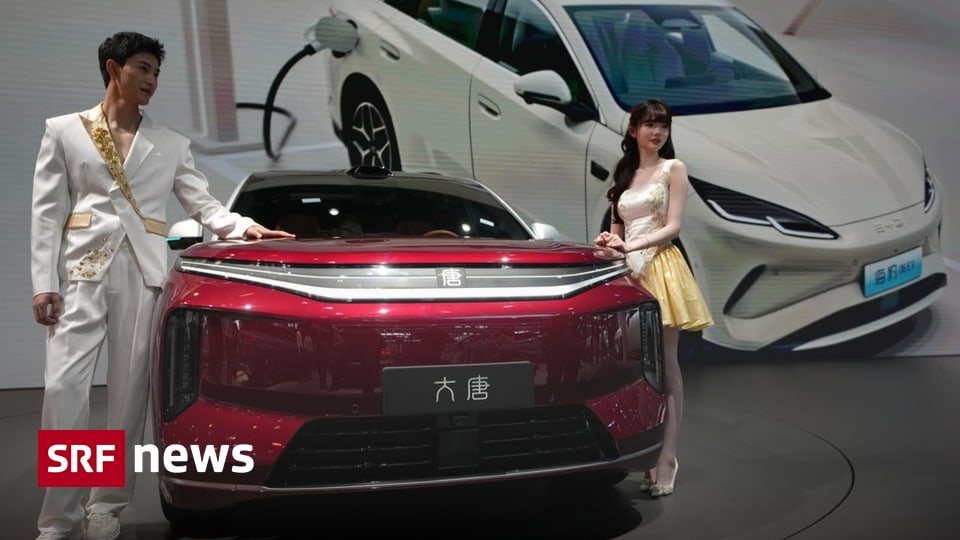
Chinese automakers are facing a systemic crisis marked by declining sales and aggressive price wars that have pushed some vehicles to “bargain prices,” according to reports from local and international media. Internal combustion engine (ICE) vehicles have lost their majority market share as the industry teeters toward a potential collapse driven by unsustainable dumping prices.
- Market Shift: Internal combustion engine vehicles no longer hold the majority share of the Chinese market.
- Price Instability: Extreme price cutting, described as “dumping,” is being used to sustain sales volumes.
- Foreign Struggle: German automotive groups are seeing their market position erode while offering what some critics call “bizarre excuses” for the decline.
Why are Chinese car prices plummeting?
The Chinese automotive sector is currently engaged in a brutal price war that has seen vehicles listed at “bargain prices,” according to reports from 36 Kr. This trend is not a strategic discount but a symptom of a deeper crisis. WinFuture reports that the industry is utilizing “dumping prices” to maintain sales figures, a tactic that has pushed the sector toward the brink of collapse.

This pricing strategy creates a paradox for consumers. While prices are lower than ever, 36 Kr notes that actually purchasing these fuel-powered vehicles at these discounted rates has become increasingly difficult. The drive for volume over profit has left many manufacturers in a precarious financial position, unable to sustain the costs of production against the falling market value of their inventory.
How the loss of ICE dominance affects the market
A fundamental shift in consumer preference has stripped internal combustion engine (ICE) vehicles of their majority status in China, according to Wirtschafts TV. This transition to electric and hybrid alternatives has happened rapidly, leaving traditional fuel-powered cars as stranded assets in a market that is moving away from them.
The economic implication is a sharp drop in the residual value of ICE vehicles. As the majority share slips away, the incentive for manufacturers to dump remaining stock at any price increases, further depressing the market for all non-electric vehicles. This shift is a primary driver behind the “bargain” pricing seen across various domestic brands.
What is happening to German automakers in China?
Foreign manufacturers, particularly those from Germany, are struggling to adapt to the volatility of the Chinese market. According to FAZ, German automotive groups have provided “bizarre excuses” to explain their dwindling market share and the failure of their traditional strategies in the region.

The crisis for these firms is twofold: they are facing an aggressive domestic competitor that is willing to sell at a loss to gain market share, and they are failing to pivot their product lineups to match the speed of China’s transition away from fuel-powered engines. This has left established European brands vulnerable to the price dumping and shifting preferences that are currently destabilizing the domestic Chinese industry.
What happens next for the industry?
The current trajectory suggests a period of intense consolidation. According to SRF, the declining sales and internal crisis among Chinese manufacturers indicate that the current business model is unsustainable. The industry’s reliance on price cuts to maintain volume suggests that smaller or less capitalized firms may face insolvency if the market does not stabilize.
