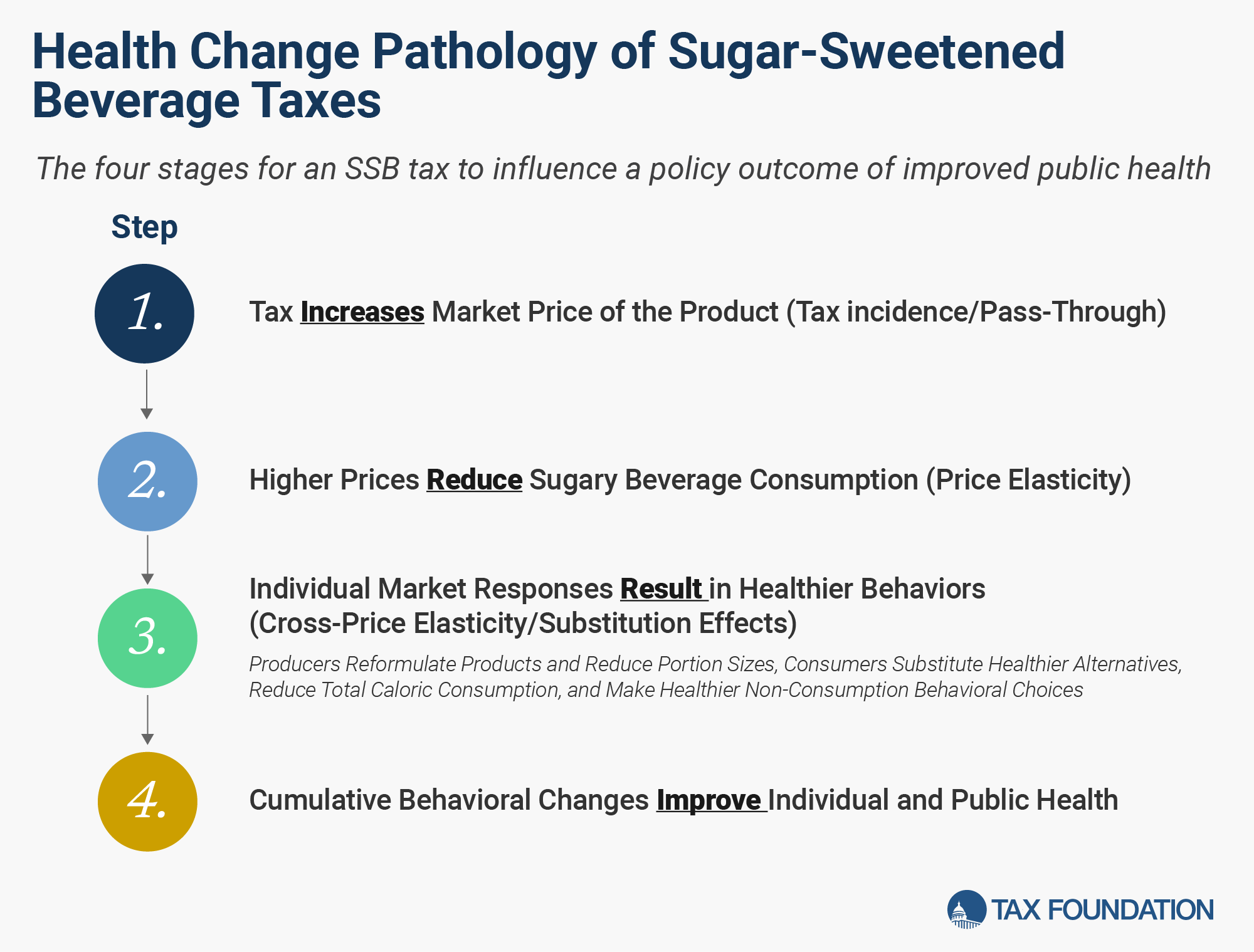
The Dutch government’s proposal for a sugar tax is expected to increase prices for soft drinks and beer, according to local media reports. While proponents argue the levy is essential for public health, critics have characterized the move as a “grab tax” aimed at increasing state revenue.
Why Beer and Soft Drink Prices Could Rise
The proposed soft drink tax is projected to push consumer prices upward, with specific implications for the alcohol market. According to De Telegraaf, beer prices are expected to rise as a result of the frisdranktaks (soft drink tax). This projection has sparked a backlash among consumers, with some readers describing the measure as a “grab tax”.
The financial motivation behind the policy is also under scrutiny. PowNed reported that the government has essentially identified a new “cash cow” through the implementation of this tax, suggesting the move is as much about fiscal gain as it is about health.
The Public Health Rationale
Despite the economic criticism, some argue the tax is a necessary tool for health intervention. de Stentor challenged the premise that the current population represents the healthiest generation ever, arguing that the implementation of a sugar tax is required now to address health trends.
Reformulation Hurdles for the Organic Sector
The proposed tax creates a specific set of challenges for producers who adhere to strict ingredient standards. According to bio journaal, the organic sector has limited options for product reformulation under a future sugar tax.
While conventional manufacturers may use various synthetic substitutes to lower sugar content and avoid the levy, organic producers are constrained by certification rules. This limitation means organic companies may have fewer viable paths to reduce sugar without compromising their organic status or product quality.
