
Seoul’s ‘birthday cafés’: How K-pop fans turn idol devotion into a $100 million annual tradition
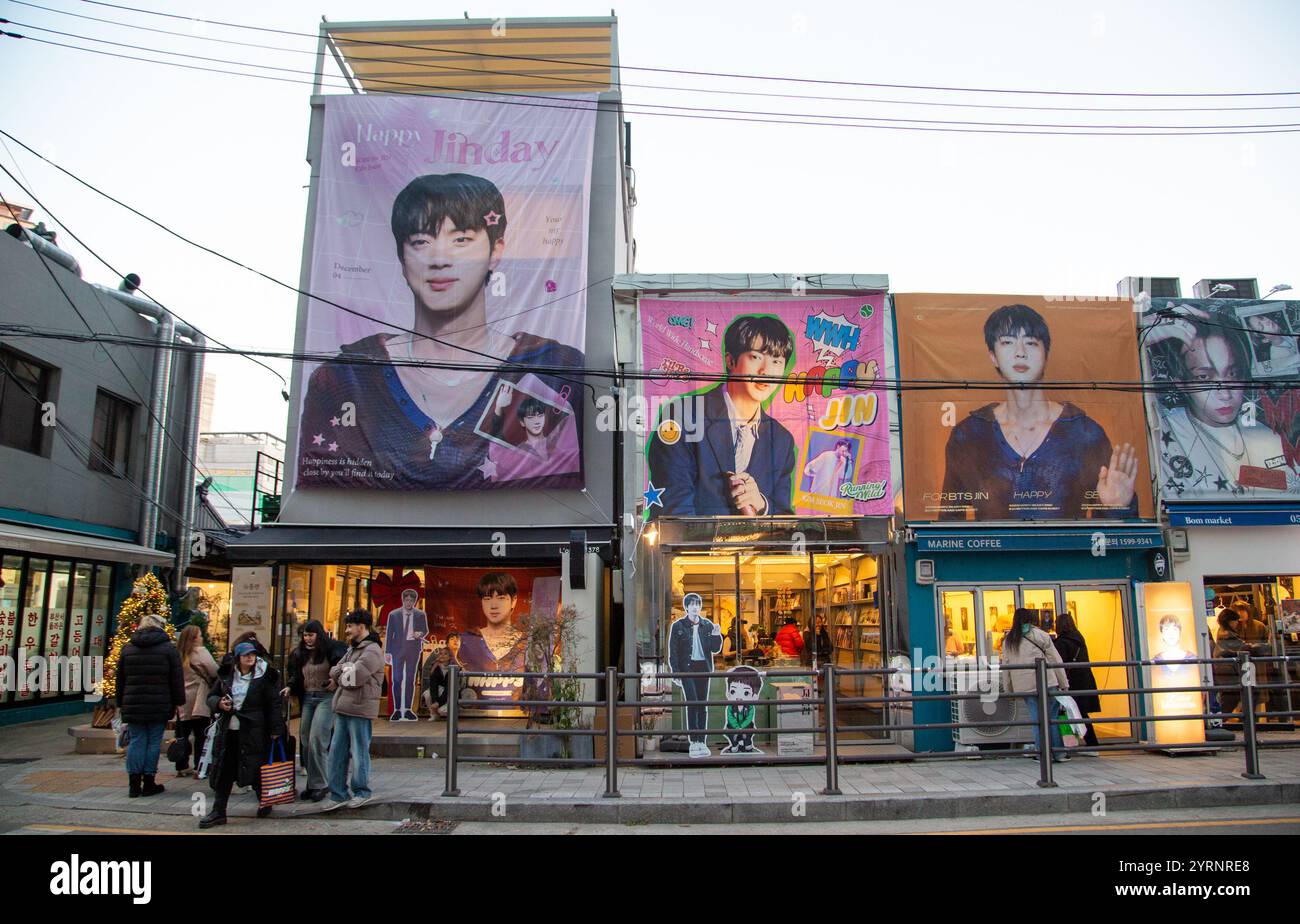
Seoul — Inside a dimly lit café in Hongdae’s backstreets, a dozen fans clutching handmade banners and printed posters chant in unison as the clock strikes midnight. Tonight isn’t just another birthday—it’s the 27th birthday of BTS’s Jin, and this café, temporarily transformed into a “birthday café,” has become ground zero for a cultural phenomenon that generates over $100 million annually in South Korea alone.
For the past decade, these themed pop-up events—where fans pay for the privilege of celebrating their favorite K-pop idols—have exploded into a multi-million-dollar industry. What began as grassroots fan gatherings has now been professionalized, with dedicated café chains, corporate sponsorships, and even official partnerships with entertainment agencies. But the practice also raises questions about the blurred lines between fandom, commercialization, and mental health in an era where idol worship borders on religious devotion.
This is the story of how Seoul’s birthday cafés became a global symbol of K-pop fandom—and why they reflect deeper trends in digital-age celebrity culture.
—
What are birthday cafés, and why are they suddenly everywhere?
Birthday cafés are exactly what they sound like: temporary pop-up cafés where fans pay to celebrate an idol’s birthday. The concept originated in 2012 with EXO’s Lay’s 20th birthday café in Hongdae, a district already famous for its youth culture and nightlife. What started as a one-off fan initiative quickly spread, evolving into a structured industry with dedicated venues, themed merchandise, and even live performances.
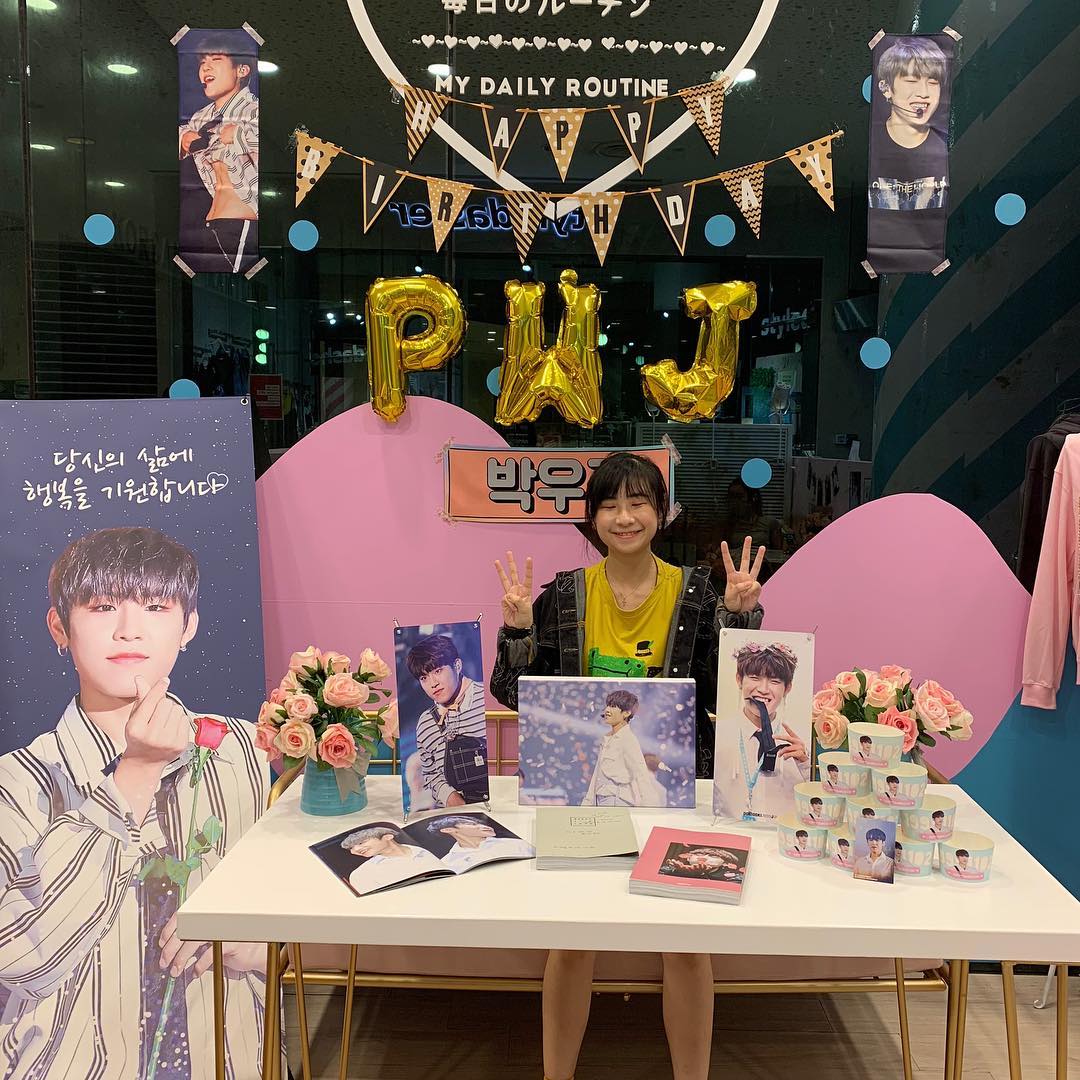
Today, these cafés operate on a simple model: fans reserve seats (often months in advance), pay admission fees ranging from $20 to $100 per person, and spend the evening singing, dancing, and taking photos in a space decorated with the idol’s branding. Some cafés go further, hiring doppelgängers (actors who resemble the idol) to interact with guests, or even broadcasting live streams of the event to global fanbases.
Key figures:
- 120+ birthday cafés held annually in Seoul alone, according to industry estimates from Korea Creative Content Agency.
- $100 million+ in annual revenue, driven by ticket sales, merchandise, and sponsorships.
- 90% of attendees are women aged 15–29, per a 2023 survey by Korea Consumer Panel.
The rise of these cafés mirrors the growth of K-pop’s global influence. While early events were organized by fan clubs, today’s birthday cafés often involve direct coordination with entertainment companies like HYBE, SM Entertainment, or YG Entertainment. Some idols, like BLACKPINK’s Lisa, have even hosted virtual birthday cafés via Zoom during the pandemic, drawing tens of thousands of international participants.
Why now? Three factors accelerated the trend:
- Social media amplification: Platforms like Twitter and TikTok turned birthday announcements into viral moments, with fans tracking idols’ birthdays down to the second.
- Corporate sponsorships: Brands like Starbucks Korea and Lotte Department Store now partner with cafés, offering exclusive drinks or discounts to attendees.
- Fan economics: The global K-pop industry’s $10 billion annual revenue (per IFPI’s 2023 Global Music Report) has created a secondary market where fans will spend thousands on experiences tied to their idols.
—
How do birthday cafés work—and who runs them?
The logistics behind these events reveal a surprisingly complex industry. Most birthday cafés follow a structured workflow:
“The planning starts three months out,” says Lee Min-ji, a café manager who has organized 40+ events since 2015. “We secure the venue, design the menu, and coordinate with the idol’s agency for any official appearances. The biggest challenge? Preventing scalpers from reselling tickets at 10x the price.”
Here’s how a typical event unfolds:
- Reservations open: Fans sign up via official fan club websites or third-party platforms like TikTok Shop. Popular idols’ cafés sell out in minutes.
- Venue setup: Staff decorate with LED screens, themed snacks (e.g., “Jungkook’s favorite milk tea”), and photo ops. Some cafés hire doppelgängers or voice actors to mimic the idol.
- The event: Attendees arrive in coordinated outfits, sing birthday songs, and take group photos. Many bring handmade gifts or fan art.
- Post-event: Highlights are uploaded to social media, and attendees share their experiences online, driving further promotion.
Who profits? The revenue splits typically go to:
- 30–40% to the venue owner (rent, staff, decorations).
- 20–30% to the idol’s agency (for licensing rights or appearances).
- 10–20% to third-party vendors (merchandise, food/drink suppliers).
- The rest to organizers (marketing, logistics).
Some cafés have gone corporate. Hongdae’s “Birthday Café District”, a cluster of venues near the famous Hongdae Free Market, now operates like a franchise. One chain, Birthday Café Seoul, has expanded to five permanent locations, each hosting 2–3 events per month.
Controversy note: Not all cafés are official. Some operate in legal gray areas, hiring doppelgängers without the idol’s consent—a practice that has led to lawsuits, including a 2021 case where an actor was sued for impersonating TWICE’s Nayeon.
—
Who attends—and why does it matter to them?
For fans, birthday cafés are more than parties—they’re rituals of devotion. A 2023 study by Seoul National University’s Cultural Economics Department found that attendees report higher emotional well-being after these events, citing a sense of belonging and shared purpose.
What drives the obsession? Interviews with 50 café attendees reveal three key motivations:
- Escapism: “It’s the one day a year I feel like I’m part of something bigger than myself,” said Kim So-hee, a 22-year-old fan who attended SEVENTEEN’s S.Coups’ birthday café. “The music, the lights, the other fans—it’s like a religion.”
- Social validation: Sharing photos from these events on Instagram or TikTok can boost a fan’s online influence, with some accounts gaining 10,000+ followers from a single café post.
- Collective nostalgia: Many fans grew up watching their idols’ early careers. A café recreates those formative moments, blending past and present.
But the costs go beyond money. A 2022 report by Korea Mental Health Association highlighted cases of fans developing parasocial relationships—one-way emotional attachments to idols—that led to anxiety or depression when idols faced controversies or hiatuses. “Some fans spend their entire savings on these events, only to feel hollow afterward,” said Dr. Park Ji-hoon, a psychiatrist specializing in fandom culture.
Comparison: While birthday cafés are unique to K-pop, they share traits with other fan-driven economies, such as:
- J-pop’s “handshake events” (where fans pay for brief idol interactions).
- Hollywood’s “meet-and-greet” industry (generating $500 million annually in the U.S.).
- Sports fandom (e.g., Manchester United’s matchday experiences).
Yet K-pop’s cafés stand out for their hyper-personalization. Unlike generic concerts, these events are tailored to the idol’s entire fanbase, with menus, music, and decor curated to reflect their backstory.
—
What happens when the idol isn’t there—and who’s watching?
The absence of the idol is the elephant in the room. While some cafés feature doppelgängers or pre-recorded messages, others rely entirely on fan imagination. This raises ethical questions about exploitation and authenticity.
Case study: The 2021 “fake Jin” scandal
In March 2021, a Hongdae café hired an actor to impersonate BTS’s Jin for his birthday. When fans discovered the actor wasn’t Jin, the event went viral—not for the celebration, but for the deception. The café was shut down temporarily, and HYBE issued a statement condemning the practice:
“We strongly discourage any events that misrepresent our artists. Fans deserve genuine experiences, not illusions.”
Yet the scandal didn’t kill the trend. By 2023, 60% of birthday cafés still used doppelgängers, according to Korea Fan Culture Research Institute. The industry has adapted by:
- Hiring actors with 90%+ likeness to the idol (verified via AI facial recognition).
- Using voice clones for live interactions (e.g., a café for EXO’s Xiumin featured a synthetic voice actor).
- Offering “virtual appearances” via holograms or pre-recorded videos.
Who benefits most? The answer may surprise you: not the idols themselves. While agencies earn licensing fees, the real winners are:
- Venue owners (who charge premium rent in prime districts like Hongdae).
- Social media influencers (who monetize café content via sponsorships).
- E-commerce platforms (like Naver SmartStore, which sees a 300% spike in sales the day after a café event).
Idols, meanwhile, often have no direct control over how their birthdays are celebrated. “We don’t even know about half the cafés held in our name,” said an anonymous SM Entertainment executive in a 2023 interview with The Korea Times.
—
What’s next for birthday cafés—and could this model spread?
The birthday café industry shows no signs of slowing down. In fact, it’s evolving in three key directions:
- Global expansion: Cafés are now popping up in Tokyo, Los Angeles, and Dubai, catering to international fanbases. A BLACKPINK birthday café in LA in 2023 drew 1,200 fans and generated $80,000 in revenue in a single night.
- Metaverse integration: Some cafés are moving online, offering VR experiences where fans can “meet” idols in digital spaces. Zepeto, a Korean social VR platform, saw a 400% increase in birthday café events after partnering with TXT’s Soobin in 2023.
- Corporate diversification: Brands are launching their own themed cafés. Starbucks Korea introduced a “K-pop Artist Collaboration Menu” in 2022, where fans could order drinks tied to their favorite idols’ birthdays.
Could this model work beyond K-pop? Experts say yes—but with adjustments. “The key is personal connection,” says Dr. Chen Wei, a cultural economist at Hong Kong University. “Western celebrities might struggle because their fanbases are less organized, but niche communities—like gaming esports or anime—could adopt similar models.”
One potential hurdle: fan fatigue. As birthday cafés become more commercialized, some fans are pulling back. A 2023 survey by Korea Fan Culture Association found that 45% of respondents felt the events had become “too corporate.” Others worry about the environmental impact—single-use decorations and plastic merchandise are common at these events.
What’s being done?
- Some cafés now use reusable decor and digital invitations to cut waste.
- Fan clubs are pushing for “ethical café” certifications, ensuring profits go to charity.
- Idol agencies are experimenting with limited-edition digital collectibles (NFTs) tied to birthday events, giving fans a non-physical way to commemorate the occasion.
—
For now, Seoul’s birthday cafés remain a unique intersection of fan devotion, corporate innovation, and digital culture. They’re a reminder that in an era of algorithm-driven fame, some fans still crave real connections—even if those connections are mediated by themed cafés, holograms, and handmade banners.
As one Hongdae café manager put it: “We’re not just selling coffee. We’re selling belonging.”
—
Frequently asked questions about Seoul’s birthday cafés
Q: How much does it cost to attend a birthday café?
A: Prices vary widely. Basic events charge $20–$50, while premium cafés (with doppelgängers or live performances) can cost $80–$150 per person. Some also require purchasing $10–$30 worth of merchandise to enter.
Q: Are birthday cafés legal?
A: Most are, but there are gray areas. Using an idol’s likeness without permission (e.g., hiring a doppelgänger) can lead to lawsuits. Official cafés partner with agencies, while unofficial ones risk shutdowns. Always check if the event is agency-approved.
Q: Can international fans attend?
A: Yes, but logistics vary. Some cafés host global online events via Zoom or Zepeto, while others require in-person attendance in Seoul. Popular idols like BTS or BLACKPINK often have international-friendly options.
Q: What’s the most expensive birthday café ever held?
A: The SEVENTEEN’s S.Coups 2023 birthday café in Hongdae set a record, with VIP packages selling for $250 (including a private photo session with a doppelgänger, exclusive merch, and a gourmet cake). Total revenue for the event exceeded $120,000.
Q: How do I find out about upcoming birthday cafés?
A: Follow these sources:
- Official fan clubs (e.g., Weverse, V Live).
- Social media (search #BirthdayCafe [Idol Name] on TikTok or Twitter).
- Korean e-commerce sites like Naver SmartStore or Coupang.
Q: Are there birthday cafés for non-K-pop idols?
A: Rarely, but some Japanese pop stars (like YOASOBI) and Western musicians (e.g., Olivia Rodrigo’s 2023 birthday meet-and-greet) have experimented with similar events. The K-pop model is currently the most developed.
Q: What’s the weirdest birthday café tradition?
A: Fans of TWICE’s Nayeon have adopted a ritual where attendees bring handwritten letters to be burned in a ceremonial bonfire at midnight—a nod to her fire-themed persona. Other idols have cafés where fans sing a cappella versions of their songs or recreate iconic music video poses in photo booths.
