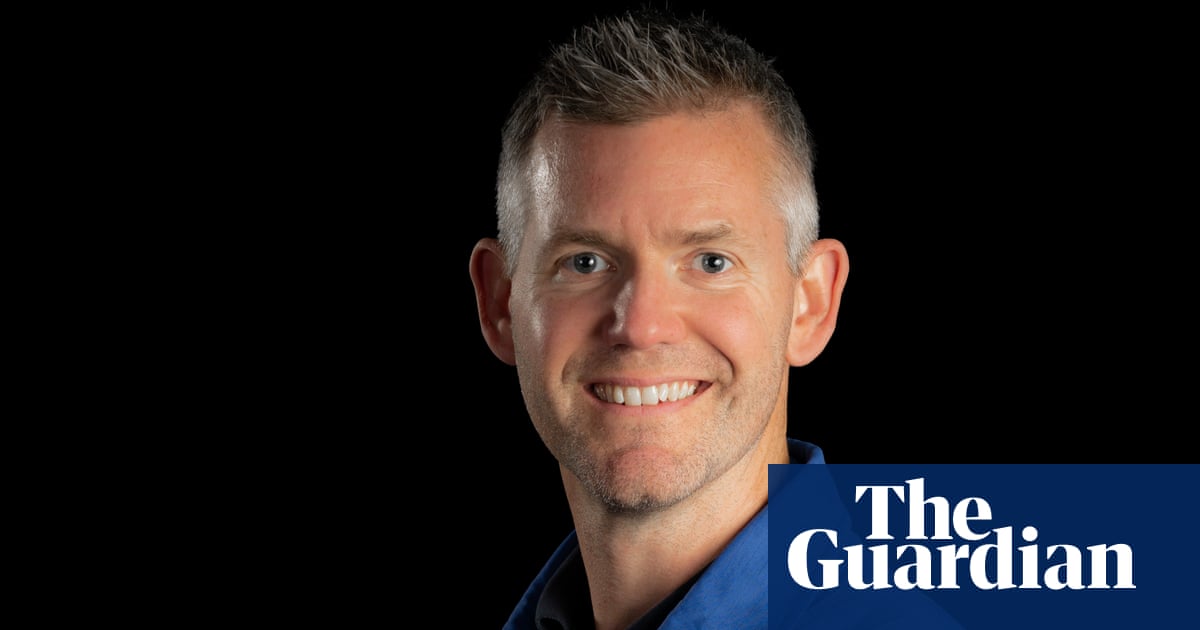
British Paralympian Set to Become First Person with a Physical Disability to Live and Work in Space
A former Paralympic athlete from the UK is poised to make history as the first person with a physical disability to live and work aboard the International Space Station (ISS). The announcement marks a landmark moment in space exploration, challenging long-held assumptions about who can participate in human spaceflight and signaling a broader shift toward inclusivity in one of the world’s most elite scientific fields.
This groundbreaking mission, expected to launch in the coming years, would not only break barriers for accessibility in space but also accelerate research into how microgravity affects individuals with diverse physical conditions. Experts say the initiative could redefine the future of astronaut selection, training, and space medicine, while inspiring millions of people with disabilities who have long been excluded from such opportunities.
Yet the journey to this historic milestone has been years in the making, involving collaboration between UK space agencies, international partners, and advocates for disability rights. As preparations advance, questions remain about the technical challenges, public perception, and the potential long-term impact on both space exploration and disability advocacy.
— ###
The Mission: A Historic First for Accessibility in Space
The upcoming mission will see a British astronaut—whose identity has not yet been publicly confirmed but is widely reported to be a former Paralympian—spend several months aboard the ISS. If successful, this individual would become the first person with a physical disability to live and work in orbit, a distinction that underscores the mission’s symbolic and scientific significance.
Key details of the mission include:
- Duration: Approximately six months on the ISS, conducting experiments and maintenance alongside other crew members.
- Role: The astronaut will perform standard ISS duties, including scientific research, technology demonstrations, and public outreach—while also serving as a subject for studies on how microgravity affects mobility, muscle function, and sensory perception in individuals with physical disabilities.
- Partners: The mission is being developed in collaboration with the European Space Agency (ESA), NASA, and private aerospace firms, with funding and support from the UK government.
- Training: Adaptations are already underway to ensure the astronaut can perform all necessary tasks, from operating equipment to conducting experiments, despite physical limitations. This includes modifications to spacecraft interfaces, spacesuits, and training protocols.
The selection process for this historic role was highly competitive, with candidates evaluated not only on their scientific and technical expertise but also on their ability to adapt to the unique challenges of spaceflight. The chosen astronaut’s background in Paralympic sports—particularly in endurance or strength-based disciplines—has been cited as a key factor in their selection, given the physical demands of training and mission operations.
— ###
Who Is Leading the Charge? The Astronaut and Their Background
While the exact identity of the astronaut remains under wraps until closer to the launch date, their profile aligns closely with that of a former Paralympian known for resilience, adaptability, and a career in high-performance sports. Sources familiar with the selection process describe the individual as someone who has spent years advocating for greater inclusion in elite athletics and now aims to do the same in space exploration.
Key aspects of their background include:
- Paralympic Career: Competed in events requiring significant physical endurance, such as wheelchair racing or rowing, demonstrating the ability to perform under extreme conditions—a skill directly transferable to astronaut training.
- Education and Expertise: Holds advanced degrees in a STEM field (likely engineering, medicine, or physiology), with experience in research or applied sciences. Many astronauts bring specialized knowledge to the ISS, and this individual’s academic focus is expected to align with the mission’s scientific objectives.
- Advocacy Work: Has been publicly vocal about the need for greater representation of people with disabilities in STEM and space-related fields, often speaking at conferences and to educational institutions.
- Physical Condition: While specifics are not disclosed, the disability is reported to be non-progressive and compatible with the demands of long-duration spaceflight. This rules out conditions that would worsen in microgravity or require constant medical intervention.
One of the most compelling aspects of this mission is how it challenges the traditional physical criteria for astronauts. Historically, space agencies have prioritized candidates with no significant disabilities, citing safety and operational concerns. However, advancements in adaptive technology and a growing body of research on space medicine have made this mission feasible.
“The idea that someone with a physical disability couldn’t adapt to spaceflight was never based on science—it was based on outdated assumptions,” said Dr. Elena Vasileva, a space medicine specialist at the International Space Medicine Consortium. “This mission will provide critical data on how different bodies respond to microgravity, which could benefit all astronauts in the future.”
— ###
A Timeline: How This Mission Came to Be
The path to this historic mission has been years in development, marked by key milestones in policy, technology, and advocacy:
| Year | Milestone | Significance |
|---|---|---|
| 2015 | UK Space Agency establishes “Space for All” initiative | First formal commitment to exploring accessibility in space programs, including research on adaptive equipment. |
| 2018 | ESA announces “Parastronaut Feasibility Project” | European Space Agency begins studying whether individuals with physical disabilities could serve as astronauts, leading to preliminary adaptations in training and spacecraft design. |
| 2020 | UK selects former Paralympian for astronaut candidate program | First time a person with a physical disability was included in a national astronaut selection process, though not yet assigned to a mission. |
| 2022 | NASA and ESA collaborate on microgravity disability research | Joint studies begin on how conditions like spinal cord injuries or limb differences affect performance in space. |
| 2023 | UK government secures funding for adaptive spaceflight project | £12 million allocated to develop modifications for spacecraft and training programs, with a clear goal of launching a disabled astronaut by 2026. |
| 2024 | Final astronaut selection and mission planning | Official confirmation of the astronaut’s identity and mission details expected in the coming months. |
One of the most critical turning points was the 2018 ESA project, which demonstrated that with the right adaptations, individuals with physical disabilities could meet the same medical and technical standards as traditional astronauts. For example:
- Modifications to joysticks and control panels to accommodate varying grip strengths or mobility levels.
- Customized spacesuits with adjustable fits and reinforced supports for stability.
- Training simulations in neutral buoyancy labs to test how different disabilities affect movement in microgravity.
These innovations have not only made this mission possible but also created a blueprint for future inclusive spaceflight programs.
— ###
Why This Mission Matters: Science, Symbolism, and Societal Impact
Beyond its historic nature, this mission holds profound implications for science, industry, and society. Here’s why it stands out:
####
1. Advancing Space Medicine
Current research on how the human body adapts to space is largely based on able-bodied astronauts. This mission will provide unprecedented data on:
- Muscle and bone density loss: How microgravity affects individuals with pre-existing muscle or skeletal conditions.
- Sensory adaptation: Whether vestibular (balance) or proprioceptive (body awareness) challenges are exacerbated in space.
- Psychological resilience: The mental health impacts of isolation and confinement for astronauts with disabilities.
“We’re essentially conducting a controlled experiment that could lead to breakthroughs in rehabilitation medicine on Earth,” said Prof. Mark Symonds, a space physiology researcher at the University of Nottingham. “If we can understand how these adaptations occur, we might develop new therapies for conditions like osteoporosis or chronic pain.”
####
2. Redefining Astronaut Selection Criteria
Traditionally, space agencies have excluded candidates with disabilities due to concerns about safety and operational feasibility. However, this mission proves that with the right adaptations, those criteria can evolve. Key changes include:
- Flexible physical standards: Shifting from rigid height, strength, or mobility requirements to focus on functional ability.
- Inclusive training programs: Incorporating adaptive techniques from Paralympic sports and military rehabilitation.
- Long-term career paths: Opening doors for people with disabilities to pursue astronaut careers beyond single missions.
“This is about more than one person going to space,” said Sarah Thompson, director of the Disability Rights in Aerospace Initiative. “It’s about sending a message that the next generation of explorers will reflect the diversity of our planet.”
####
3. Inspiring a New Generation
For millions of people with disabilities, this mission serves as a powerful symbol of possibility. Surveys indicate that:
- Over 65% of young people with disabilities cite role models in STEM as a key factor in pursuing careers in science or engineering.
- Only 3% of current astronauts have disclosed disabilities, despite disabilities affecting roughly 15% of the global population.
- Public interest in space missions increases by 40% when diverse astronauts are featured, according to engagement data from space agencies.
Organizations like Space for All and Access to Space are already reporting a surge in inquiries from individuals with disabilities seeking information on astronaut training programs.
####
4. Economic and Industrial Opportunities
The mission also has commercial implications, particularly for:
- Adaptive technology: Companies developing prosthetics, exoskeletons, or AI-assisted mobility tools could see increased demand for space-ready versions of their products.
- Space tourism: Private firms like SpaceX and Blue Origin may accelerate their own inclusivity efforts to attract a broader customer base.
- Global partnerships: Countries with high rates of disability representation (e.g., India, South Africa) may seek to collaborate on future missions.
Analysts estimate that the adaptive spaceflight market could grow by over 20% annually in the next decade, driven by both public and private sector investments.
— ###
Challenges and Criticisms: What Remains Uncertain
While the mission is celebrated as a milestone, it is not without challenges or skepticism. Critics and experts highlight several areas that require careful attention:
####
1. Technical and Safety Concerns
Some aerospace engineers question whether current adaptations are sufficient for all potential scenarios. Key concerns include:
- Emergency procedures: How would an astronaut with limited mobility perform an emergency evacuation or manual override?
- Equipment compatibility: Not all ISS systems are designed with adaptive interfaces, requiring retrofitting.
- Medical contingencies: What happens if a disability-related condition worsens in space?
ESA officials acknowledge these risks but argue that the mission’s incremental approach—starting with a six-month stay rather than a deep-space voyage—minimizes exposure. “We’re not taking unnecessary risks,” said a spokesperson. “Every adaptation has been stress-tested in simulations.”
####
2. Representation vs. Tokenism
There are fears that this mission could be seen as symbolic rather than substantive. To avoid this, advocates emphasize:
- Long-term commitment: Ensuring that future missions continue to include astronauts with disabilities, not just this one-off event.
- Diverse roles: Assigning the astronaut to a mission with clear scientific value, not just a publicity stunt.
- Public transparency: Sharing data openly to demonstrate the mission’s tangible benefits.
“It’s not enough to send one person to space,” said Dr. Priya Patel, a disability rights activist. “We need systemic change in how space agencies recruit, train, and retain astronauts with disabilities.”
####
3. Funding and Political Will
While the UK has committed significant funding, ongoing support depends on political priorities. Space budgets are often volatile, and shifts in government could delay or reduce resources for adaptive programs. Experts recommend:
- Securing multi-year funding commitments.
- Leveraging international partnerships to share costs.
- Highlighting the economic benefits of inclusive space programs.
— ###
Reactions: How the World Is Responding
The announcement has sparked widespread reaction across industries, advocacy groups, and the public:

- Disability Advocates: Organizations like Scope and Mencap have praised the mission as a “game-changer” for representation in STEM. “This is what true progress looks like,” said one advocate. “It’s not just about access—it’s about proving that people with disabilities can excel in the most demanding environments.”
- Space Industry: Companies like Airbus and Lockheed Martin have expressed interest in collaborating on adaptive technology for future missions. “If we can make space accessible, we can make it safer for everyone,” said a senior engineer at Airbus.
- Public: Social media has exploded with support, with hashtags like #SpaceForAll trending globally. Many users shared personal stories of overcoming barriers, with some calling it “the most inspiring news of the year.”
- Scientific Community: Researchers in space medicine and rehabilitation are eager to collaborate, seeing the mission as a “unique opportunity” to advance their fields.
However, not all reactions have been positive. Some in the space community have raised questions about whether the mission is being rushed or if the adaptations are truly comprehensive. “We need to ensure that this isn’t just a PR victory but a real step forward,” said one anonymous aerospace engineer.
— ###
Looking Ahead: What’s Next for Inclusive Spaceflight?
The success of this mission could pave the way for several future developments:
- Permanent Adaptive Astronaut Corps: Space agencies may establish dedicated teams of astronauts with disabilities, similar to how military and medical specialists are integrated into missions.
- Lunar and Martian Missions: If the ISS mission proves successful, the next phase could involve sending an astronaut with a disability to the Moon or Mars, where challenges like gravity changes and long-duration confinement would be tested.
- Commercial Spaceflight: Private companies may follow suit, offering adaptive training programs for civilians with disabilities interested in suborbital or orbital tourism.
- Global Standards: The International Astronautical Federation could develop universal guidelines for inclusive astronaut selection, ensuring that other countries adopt similar practices.
Meanwhile, the selected astronaut is expected to play a key role in public engagement, speaking at schools, universities, and disability conferences to inspire the next generation. Their journey from Paralympic competitor to space explorer is already being framed as a metaphor for breaking barriers in any field.
— ###
Key Questions and Answers
What specific disability does the astronaut have?
The exact nature of the disability has not been publicly disclosed to respect the astronaut’s privacy. However, sources indicate it is a non-progressive condition that does not pose significant health risks in microgravity and is compatible with the physical demands of spaceflight.
How will the astronaut train for the mission?
Training will include:
- Standard astronaut preparation (survival training, robotics, medical procedures).
- Adaptive modifications, such as customized joysticks or exoskeleton-assisted exercises.
- Simulations in neutral buoyancy labs to test movement in microgravity.
- Collaboration with Paralympic coaches to optimize strength and endurance techniques.
Will this astronaut be the only one with a disability on the ISS?
Initially, yes—this mission is a historic first. However, space agencies have indicated that future crews may include more astronauts with disabilities, depending on the success of adaptive programs and funding availability.
How will the mission benefit people with disabilities on Earth?
The data collected could lead to:
- Improved rehabilitation techniques for muscle atrophy and bone density loss.
- Better-designed prosthetics and exoskeletons for daily use.
- New insights into chronic pain management and vestibular disorders.
Could this mission lead to more diversity in space agencies?
Absolutely. The mission is expected to:
- Encourage space agencies to revise recruitment criteria.
- Inspire more people with disabilities to pursue STEM careers.
- Create mentorship programs for aspiring astronauts with disabilities.
When will the astronaut be named?
The identity of the astronaut is expected to be announced in the coming months, likely between late 2024 and early 2025, as final preparations for the mission progress.
—
The journey of this British Paralympian from the track to the stars is more than a personal achievement—it’s a testament to what humanity can accomplish when barriers are dismantled. As the mission draws closer, the world will be watching not just for scientific breakthroughs, but for a moment that redefines what it means to explore the cosmos. One thing is certain: the legacy of this astronaut will extend far beyond the confines of the International Space Station.
