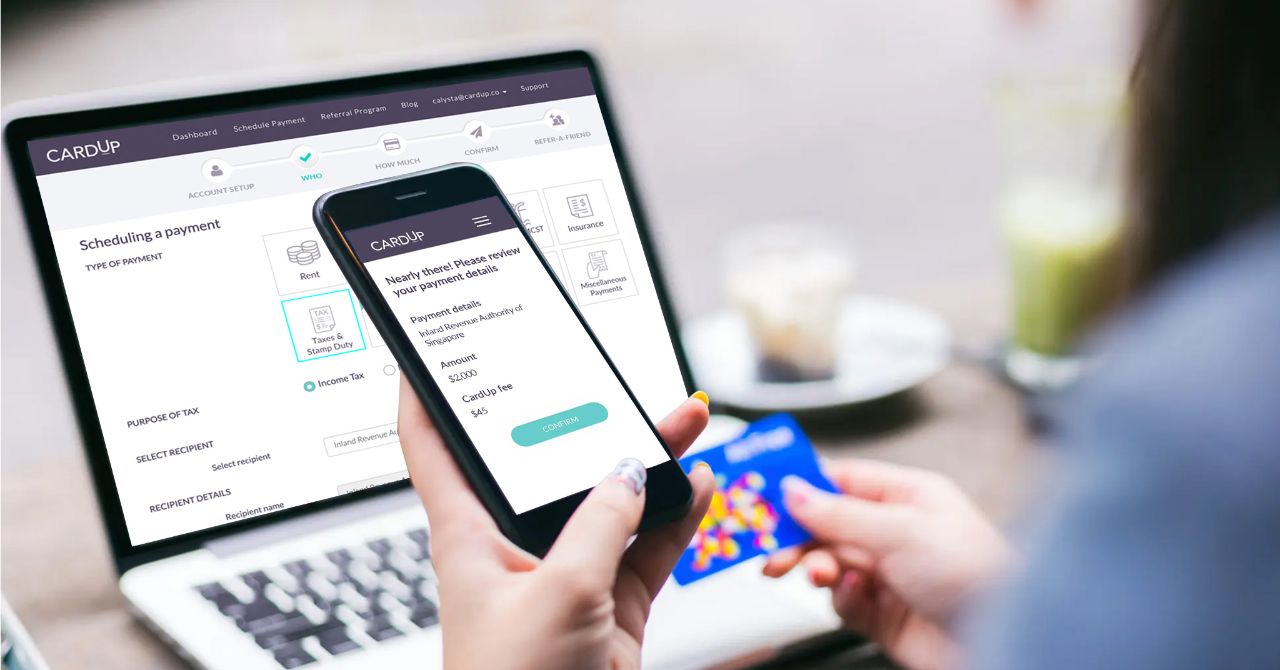
Ouch: CardUp announces major increase in payment processing fees – The MileLion
For the community of credit card enthusiasts and “miles chasers,” the primary goal has always been the optimization of every single dollar spent. The ability to move large, non-card payments—such as rent, taxes, and tuition—through a credit card to trigger massive reward balances has been a cornerstone of this strategy. However, a recent shift in the landscape has sent shockwaves through this ecosystem. The news that Ouch: CardUp announces major increase in payment processing fees – The MileLion has highlighted a pivoting point for many who rely on third-party payment facilitators to hit minimum spend requirements or accumulate travel rewards.
This price hike is not merely a marginal adjustment. for many users, it represents a fundamental change in the mathematical viability of using such services. When the cost of the transaction begins to approach or exceed the monetary value of the rewards earned, the “hack” ceases to be a benefit and becomes a liability. This development raises critical questions about the sustainability of the credit card rewards arbitrage and the evolving business models of fintech intermediaries.
The Core of the Conflict: What Exactly Changed?
At its heart, CardUp operates as a bridge. It allows users to pay bills that typically only accept bank transfers by charging those payments to a credit card. The service then processes the payment and transfers the funds to the recipient. To sustain this infrastructure and cover the interchange fees charged by banks, CardUp applies a processing fee to the user.
The recent announcement regarding a major increase in these fees has disrupted the carefully calculated spreadsheets of thousands of users. While the specific percentage increases vary depending on the type of payment and the user’s account tier, the general trend is a move toward higher overhead for the consumer. This increase effectively raises the “cost of acquisition” for every mile or point earned through the platform.
Understanding the “Break-Even” Point
To understand why this news is being received with such frustration, one must understand the concept of the break-even point in reward optimization. A typical miles chaser calculates the value of a mile (e.g., 0.01 to 0.02 cents depending on the redemption) and compares it to the fee paid to the processor.
- The Old Math: If a user paid a 1.5% fee to earn 1.6 miles per dollar, and those miles were valued at 2% of the spend, the user made a “profit” of 0.5%.
- The New Math: If the fee rises to 2.2% or higher, but the reward rate remains the same, the user is now paying a premium to earn points. In this scenario, the user is essentially “buying” miles at a price higher than their redemption value.
For those using these services to meet a high minimum spend for a sign-up bonus, the fee hike is a nuisance but often still worthwhile. However, for the long-term, organic accumulator, the value proposition has shifted dramatically.
The Economic Drivers Behind the Fee Hike
It is rare for a fintech company to raise fees without significant external pressure. Several macroeconomic and industry-specific factors likely contributed to this decision. Understanding these helps place the Ouch: CardUp announces major increase in payment processing fees – The MileLion narrative into a broader financial context.
Rising Cost of Capital and Operational Overhead
The fintech sector has transitioned from a “growth at all costs” phase—fueled by low interest rates and venture capital—to a “path to profitability” phase. Maintaining the security, compliance, and regulatory frameworks required to move millions of dollars across borders is expensive. As operational costs rise, companies are forced to pass these expenses onto the end-user.
The “Double Squeeze” from Banks and Networks
Payment processors sit between the consumer, the credit card network (Visa/Mastercard), and the issuing bank. If banks increase the costs associated with merchant acquiring or if networks change their interchange fee structures, the processor’s margins shrink. When the “middleman” is squeezed, the cost is almost always pushed down to the consumer.
Market Positioning and User Segmentation
There is also the possibility of strategic segmentation. By raising fees, a service may be attempting to pivot away from “power users” who extract maximum value with minimum profit for the platform, and instead focus on corporate clients or casual users who are less sensitive to a 0.5% or 1% difference in fees.
| Factor | Impact on Processor | Result for Consumer |
|---|---|---|
| Interchange Fees | Higher costs to process transactions | Increased transaction fees |
| Regulatory Compliance | Increased spending on KYC/AML | Higher baseline service costs |
| Profitability Mandates | Pressure to move from growth to profit | Removal of discounts/subsidies |
| Bank Reward Nerfs | Less incentive for users to use high-fee tools | Lower overall ROI on miles |
Who is Most Affected by This Change?
The impact of this fee increase is not distributed evenly. Depending on the user’s financial goals and spending habits, the news is either a minor inconvenience or a deal-breaker.
The “Sign-Up Bonus” Hunter
For individuals who open a new credit card specifically to hit a spending threshold (e.g., spend $5,000 in three months to get 50,000 miles), the fee hike is manageable. Even if they pay an extra $50 in fees, the value of the sign-up bonus far outweighs the cost. For this group, the service remains a vital tool.
The Monthly Rent Payer
This is the group hardest hit. Rent is often the largest monthly expense for urban professionals. When you are processing $3,000 to $7,000 every month, a small percentage increase in fees compounds quickly. Over a year, this can amount to hundreds of dollars in additional costs, potentially erasing the value of the flight tickets they were hoping to earn.
The Small Business Owner
Business owners using these platforms to pay suppliers or taxes often operate on thin margins. A fee increase directly impacts their bottom line. For them, the decision to use a credit card for these payments is a business calculation, not a lifestyle choice, making them the most likely to abandon the service in favor of traditional bank transfers.
“The allure of ‘free’ travel through credit card rewards is always predicated on the cost of acquisition. When the cost of the tool used to acquire those rewards rises, the entire strategy must be re-evaluated.”
Analyzing Alternatives and Strategic Pivots
With the cost of using certain processing tools rising, savvy users are looking for ways to pivot their strategies. The goal remains the same—maximizing rewards—but the methods are shifting.
Exploring Competitive Platforms
The market for payment facilitators is competitive. When one player raises fees, it often creates an opening for competitors to capture market share. Users are increasingly comparing fee schedules across different platforms to find the lowest possible overhead. However, there is a risk of a “domino effect,” where one provider’s price hike signals a general industry trend, leading others to follow suit.
Shifting Spend to Direct Card Payments
The most sustainable way to earn rewards is to spend on merchants that accept credit cards directly without a third-party fee. This involves a shift in lifestyle or business operations—finding vendors who are willing to accept cards or shifting spending toward platforms like Grab, Shopee, or Amazon, where the merchant absorbs the fee.
The Return to “Organic” Accumulation
Some users are moving away from “forced” spending (paying bills via processors) and returning to organic accumulation. This means focusing on high-reward categories (like dining or travel) and using cards with high baseline earn rates, rather than trying to “game” the system with large, artificial transactions.
For those still committed to the miles game, it may be worth exploring a related explainer on credit card optimization to find new ways to maximize value without relying on high-fee intermediaries.
Common Misconceptions About Payment Processors
In the wake of news like Ouch: CardUp announces major increase in payment processing fees – The MileLion, several myths often circulate within the community. It is important to clarify these to make informed financial decisions.
Myth 1: “The fees are just a way to scam users.”
In reality, payment processors are not “creating” these fees out of thin air. They are essentially managing a complex chain of transactions. A significant portion of the fee goes to the banks and the payment networks. The processor takes a margin to cover their technology stack and profit. While the increase is painful, it is usually a reflection of the cost of doing business in the financial sector.

Myth 2: “I can just use a different card to offset the fee.”
While using a card with a higher earn rate (e.g., 2.4 miles per dollar instead of 1.2) can help, it doesn’t eliminate the cost. The user still needs to ensure that the incremental reward value is higher than the incremental fee. If the fee increases across the board, even the best cards may no longer provide a positive return on investment.
Myth 3: “This is a temporary move to drive users away.”
Historically, fee increases in the fintech space are rarely reversed. Once a company finds a price point that the market will tolerate, they tend to stay there or continue to adjust upward as inflation persists. It is safer to assume these fees are the “new normal” rather than a temporary glitch.
The Broader Impact on the Rewards Ecosystem
This story is a symptom of a larger trend: the “devaluation” of the rewards economy. For years, banks and fintechs competed to offer the most lavish rewards to attract users. However, we are now seeing a coordinated tightening of the belt.
- Bank-side Nerfs: Banks are reducing the miles earned on certain categories (like online shopping or insurance).
- Airline Devaluations: Airlines are increasing the number of miles required for the same award seat.
- Processor Fee Hikes: Services like CardUp are increasing the cost to trigger those rewards.
When these three trends happen simultaneously, the “miles chaser” is hit from all sides. The cost to earn is going up, while the value of what is earned is going down. This creates a “scissors effect” that is rapidly closing the window of profitability for reward optimization.
A Shift Toward Value over Volume
The industry is moving away from volume-based rewards (where spending more always equals more value) toward value-based rewards. This means that the most successful users in the future will not be those who move the most money through the system, but those who use the most efficient tools for specific, high-value purposes.
Frequently Asked Questions
Why did the fees increase now?
While the company may cite various reasons, it is generally a combination of rising operational costs, higher fees from payment networks, and a strategic shift toward profitability over aggressive user growth.

Is it still worth using CardUp for sign-up bonuses?
Generally, yes. The value of a sign-up bonus (often tens of thousands of miles) usually dwarfs the cost of a few percentage points in processing fees. The “math” still works in favor of the user for one-time bonuses.
How do I calculate if a payment is still “profitable”?
Use this simple formula: (Amount Spent × Reward Rate × Value per Mile) - (Amount Spent × Processing Fee) = Net Gain/Loss. If the result is negative, you are paying for the privilege of earning points.
Are there cheaper alternatives to CardUp?
Depending on your region and the type of payment, other facilitators may exist. It is recommended to compare the current fee schedules of all available providers, as many are adjusting their prices in real-time.
Will banks eventually stop allowing these services?
Some banks have already attempted to exclude “third-party payment processors” from earning rewards. While many services find ways to categorize transactions to avoid this, there is a persistent risk that banks may tighten their terms and conditions to block these “loopholes.”
The Future of Reward Optimization
The reaction to the news—Ouch: CardUp announces major increase in payment processing fees – The MileLion—serves as a wake-up call for the credit card community. The era of “effortless miles” through simple payment arbitrage is waning. As the financial industry matures and the costs of maintaining these bridges rise, the burden is shifting to the consumer.
Moving forward, the most successful strategists will be those who diversify their approach. Relying on a single tool or a single “hack” is risky. Instead, a combination of high-yield cards, strategic spending, and a critical eye on the cost-benefit analysis of every transaction will be the only way to maintain a high rate of reward accumulation. The game hasn’t ended, but the rules have changed, and the cost of entry has just gone up.
