
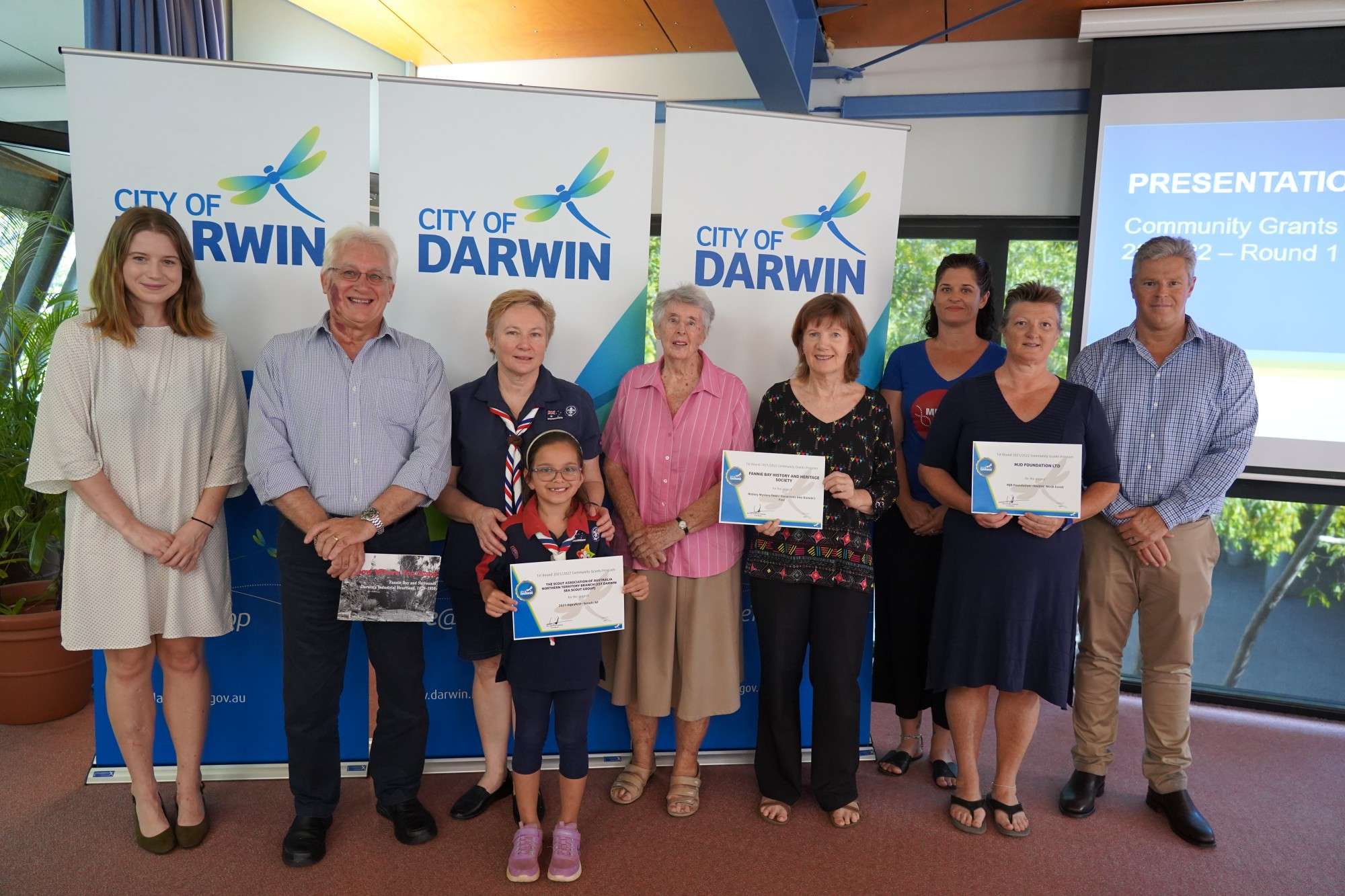
City Of Darwin’s Community Grant Recipients Announced 3 June – Mirage News: Boosting Local Growth and Social Cohesion
The announcement on June 3rd regarding the City of Darwin’s community grant recipients marks a pivotal moment for grassroots organizations and local initiatives across the Northern Territory’s capital. By injecting targeted funding into a diverse array of community-led projects, the municipal government is not merely distributing funds but is actively investing in the social fabric of the “Top End.” This strategic allocation of resources is designed to empower residents, enhance urban livability, and support the marginalized sectors of the population that often struggle to secure traditional financing.
For many of the recipients, these grants represent more than just financial assistance; they are a validation of their contribution to the city’s cultural and social evolution. In a region characterized by its unique multiculturalism and environmental challenges, the City of Darwin’s commitment to community-driven development ensures that the city grows not just in infrastructure, but in spirit and inclusivity.
Understanding the Impact of the June 3rd Grant Allocations
The primary objective of the community grants program is to bridge the gap between government policy and street-level execution. While the City of Darwin manages large-scale urban planning and public services, it is the small, agile community groups that often identify the most pressing needs of the neighborhood. The recipients announced on June 3rd reflect a broad spectrum of these needs, ranging from environmental sustainability and youth engagement to the preservation of indigenous heritage and the promotion of the arts.
When local government provides funding to these entities, it creates a multiplier effect. A grant given to a community garden, for example, does not just result in more vegetables; it fosters social interaction among elderly residents, provides educational opportunities for children, and improves the local micro-climate. Similarly, funding for a local arts festival stimulates the local economy by attracting visitors and providing a platform for emerging artists to showcase their work.
| Grant Focus Area | Primary Objective | Expected Community Outcome |
|---|---|---|
| Social Inclusion | Supporting marginalized groups and newcomers | Reduced social isolation and increased belonging |
| Environmental Stewardship | Urban greening and waste reduction | Improved biodiversity and climate resilience |
| Youth Development | Skills training and recreational programs | Lower youth unemployment and improved mental health |
| Arts & Culture | Funding for public exhibits and performances | Enhanced city vibrancy and cultural identity |
The Strategic Role of Local Government Funding in the Northern Territory
To understand why the City Of Darwin’s Community Grant Recipients Announced 3 June – Mirage News is a significant event, the broader economic and social landscape of the Northern Territory. Darwin operates as a gateway to Asia and a hub for indigenous culture, making it a complex environment for social governance. Local government grants serve as a vital tool for “social infrastructure,” which refers to the networks of relationships and institutions that support a community’s wellbeing.

Unlike large federal grants, which often come with rigid requirements and immense bureaucratic overhead, municipal grants are typically more accessible. They allow for “micro-interventions”—small-scale projects that can be implemented quickly and adapted based on real-time community feedback. This flexibility is crucial in a city like Darwin, where seasonal weather patterns (the wet and dry seasons) and demographic shifts require a nimble approach to community support.
“The true strength of a city is not found in its skyscrapers or its roads, but in the strength of its community bonds. By funding grassroots initiatives, the City of Darwin is effectively outsourcing innovation to the people who know their neighborhoods best.”
Addressing the Cost-of-Living Crisis through Community Support
The timing of these grants is particularly critical given the current economic climate. Across Australia, and specifically in the Northern Territory, the rising cost of living has placed an immense strain on non-profit organizations and volunteer-run clubs. Many of these groups have seen their operational costs soar while their donor bases have shrunk.
- Operational Stability: For some recipients, these grants provide the necessary liquidity to keep their doors open, ensuring that essential services like food banks or youth shelters remain operational.
- Volunteer Retention: By funding materials and equipment, the grants reduce the financial burden on volunteers, preventing burnout and ensuring the longevity of community programs.
- Accessibility: Funding allows organizations to keep their services free or low-cost, ensuring that the most vulnerable citizens are not priced out of essential community support.
Analyzing the Selection Process: How Recipients are Chosen
The process leading up to the June 3rd announcement is rigorous, designed to ensure that public funds are used efficiently and transparently. The City of Darwin employs a merit-based selection process that evaluates applications based on several key criteria. This ensures that the funding is not distributed arbitrarily but is directed toward projects with the highest potential for measurable impact.
Key Evaluation Metrics
When reviewing applications, the grant committee typically focuses on the following pillars:
- Community Need: Is there a documented gap in services or a specific problem that this project aims to solve?
- Feasibility: Does the organization have the capacity, expertise, and timeline to actually deliver the proposed outcome?
- Sustainability: What happens after the grant money is spent? The city prioritizes projects that can eventually become self-sustaining or lead to long-term systemic improvement.
- Alignment with City Goals: Does the project align with the City of Darwin’s broader strategic plan, such as becoming a more sustainable city or a more inclusive multicultural hub?
This structured approach prevents “grant chasing,” where organizations apply for funding for projects that don’t actually benefit the community but are simply designed to win the grant. Instead, it encourages genuine innovation and strategic planning among local non-profits.
The Ripple Effect: Long-Term Implications for Darwin’s Urban Development
While the immediate result of the June 3rd announcement is a set of funded projects, the long-term implications are far more profound. When a city consistently invests in its community, it builds “social capital.” Social capital is the collective value of all social networks and the inclinations that arise from these networks to do things for each other—essentially, the level of trust and cooperation within a city.

Environmental Resilience and Urban Greening
Many of the grants are directed toward environmental initiatives. In a tropical city, managing heat islands and maintaining urban greenery is not just an aesthetic choice—it is a public health necessity. By funding community-led planting projects or waste-reduction workshops, the City of Darwin is decentralizing its environmental strategy. This empowers citizens to take ownership of their local environment, leading to higher compliance with sustainability goals and a more resilient urban canopy.
Cultural Preservation and Integration
Darwin’s identity is inextricably linked to its diversity. Grants that support multicultural festivals or indigenous language programs do more than just “celebrate” culture; they integrate it into the city’s daily life. This reduces social friction and fosters a sense of shared identity. When different ethnic and social groups collaborate on a funded project, it breaks down silos and builds bridges of understanding that are essential for long-term civic peace.
| Timeline | Direct Impact (Short-Term) | Systemic Impact (Long-Term) |
|---|---|---|
| Financial | Immediate funding for materials/staff | Increased organizational capacity and stability |
| Social | One-off event or program delivery | Stronger community networks and trust |
| Environmental | Planting trees or cleaning a park | Improved urban biodiversity and cooler city temps |
| Cultural | A single festival or workshop | Deep-rooted multicultural integration and pride |
Common Misconceptions Regarding Community Grants
There are often misunderstandings about how community grants work and who they are for. It is important to clarify these points to encourage more diverse applications in future rounds.
Misconception 1: “Only large, established non-profits win grants.”
In reality, many municipal grant programs specifically carve out portions of their budget for small, grassroots groups that may not have a professional grant writer. The City of Darwin often looks for authentic community connection over polished corporate applications.
Misconception 2: “The money is a gift with no strings attached.”
Community grants are investments, not gifts. Recipients are typically required to provide “acquittal” reports, which prove that the money was spent as promised and demonstrate the actual outcomes achieved. This accountability is what allows the city to justify the spend to taxpayers.
Misconception 3: “Grants are only for ‘charity’ work.”
While many grants support social welfare, many are also directed toward economic development, sports, and the arts. A local sports club improving its facilities is just as eligible as a food bank, as both contribute to the overall wellbeing and health of the citizenry.
Navigating Future Grant Opportunities
For those who were not among the recipients announced on June 3rd, the process provides a roadmap for future success. The competitive nature of these grants means that many viable projects are missed out on each round. However, the city often provides feedback to unsuccessful applicants, which can be used to refine their proposals.
Successful applicants typically share a few common traits: they have a clear, measurable goal; they have strong community support (often evidenced by letters of support from other local groups); and they can demonstrate how the project will continue to provide value after the initial funding is exhausted.
Interested parties should keep a close eye on the City of Darwin’s official portals and local news updates. Understanding the city’s current “strategic priorities”—such as climate adaptation or youth mental health—can help organizations align their proposals with the goals of the decision-makers.
For more information on how local funding shapes regional development, you may find a related explainer on municipal funding models useful for understanding the broader Australian context.
Frequently Asked Questions
Who is eligible to apply for the City of Darwin community grants?
Generally, eligibility extends to non-profit organizations, incorporated associations, and sometimes informal community groups that have a clear project objective benefiting the Darwin community. For-profit businesses are typically excluded unless they are partnering with a non-profit lead.
When are the grant recipients usually announced?
While dates vary by grant cycle, announcements are often made quarterly or bi-annually. The most recent announcement occurred on June 3rd, highlighting the city’s commitment to timely funding deployment.
Can a single organization apply for multiple grants?
Yes, in many cases, organizations can apply for different grant streams if they have distinct projects that meet the criteria of those specific funds. However, they must demonstrate the capacity to manage multiple projects simultaneously.
What happens if a project is not completed as planned?
The City of Darwin requires acquittals. If a project deviates significantly from the original proposal without prior approval, the city may request a partial refund of the grant or require the organization to implement a corrective action plan.
How does the City of Darwin measure the success of these grants?
Success is measured through a combination of quantitative data (number of participants, trees planted, events held) and qualitative data (community testimonials, surveys, and reported improvements in social wellbeing).
The announcement of the City Of Darwin’s Community Grant Recipients Announced 3 June – Mirage News serves as a reminder that the most effective urban improvements often start from the bottom up. By trusting and funding its citizens, the City of Darwin is building a more resilient, vibrant, and inclusive capital for all who call the Top End home. As these projects move from the planning phase to implementation, the city will undoubtedly see the tangible benefits of this investment in its people.
