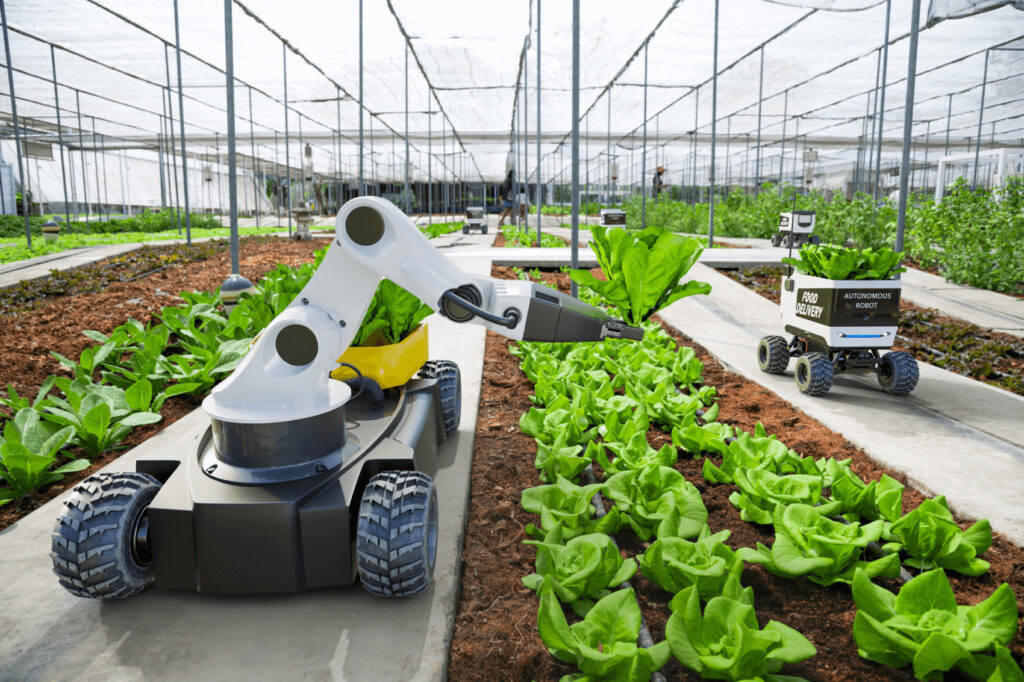
The agricultural sector is facing a critical labor deficit that is forcing a pivot toward autonomous technologies and strategic repopulation of rural areas. As manual labor becomes increasingly scarce, the industry is looking toward a dual-track solution: the integration of robotics to handle repetitive tasks and the promotion of remigration to bring skilled workers back to the countryside.
- Automation Shift: Robotization is being positioned as a primary hedge against the dwindling availability of seasonal and permanent farm labor.
- Human Capital: Remigration strategies aim to reverse rural flight by incentivizing people to return to agricultural communities.
- Systemic Transition: Addressing the labor gap requires a combination of high-tech investment and social policy changes.
The Role of Robotics in Labor Mitigation
Robotization in agriculture involves the deployment of autonomous systems designed to perform tasks that previously required intensive human intervention. From automated seeding and weeding to robotic harvesting, these technologies aim to maintain productivity levels despite a shrinking workforce. By shifting the burden of labor from humans to machines, farms can reduce their reliance on a volatile labor market and increase operational precision.
The transition to robotized farming is not merely about replacing workers but about optimizing the workflow. Autonomous systems can operate with higher consistency and for longer durations than human crews, which is particularly critical during narrow harvest windows where timing determines the success of a season.
Addressing the Human Element through Remigration
While technology provides a scalable solution, the agricultural sector still requires human oversight, management, and specialized skills. This has led to an increased focus on remigration—the process of encouraging individuals who have migrated to cities or abroad to return to their rural origins.
According to local media reports, solving the labor crisis requires more than just hardware. it necessitates a systemic approach to make rural living viable and attractive again. This includes improving infrastructure and creating economic incentives that can compete with urban employment opportunities, ensuring that the human element of farming is preserved alongside technological advancement.
Balancing Tech and Tradition
The intersection of robotics and remigration represents a strategic trade-off between efficiency and community sustainability. While robotics solve the immediate problem of “hands in the field,” remigration addresses the long-term viability of rural societies. For the agricultural industry, the goal is to create a hybrid model where autonomous systems handle the most grueling and repetitive labor, while a revitalized rural population manages the high-level operations and strategic growth of the farms.
