Thailand’s Tourism Overhaul: Stricter Visa Policies Emerge Amid Rising Concerns Over Tourist Conduct
Thailand, once synonymous with idyllic beaches and a relaxed approach to international visitors, is undergoing a dramatic shift in its tourism strategy. A wave of policy changes targeting foreign travelers has sparked debate across the country, driven by growing frustration over incidents of misconduct, environmental damage, and the strain on local communities. This transformation, marked by tighter visa requirements and increased fees, signals a pivotal moment in the nation’s relationship with global tourism.
The Turning Point: A Policy Shift Reflecting Public Sentiment
For decades, Thailand’s tourism industry thrived on its reputation as a welcoming destination, with visa-free access for many nationalities acting as a key draw. However, recent years have seen a surge in complaints from residents about the impact of unchecked visitor behavior. From littering in sacred sites to incidents of harassment and vandalism, the cumulative effect has led to a public outcry for stricter controls.
The most visible change came in early 2024 when the Thai government announced the termination of visa-free entry for citizens of Morocco, a decision that sparked international attention. While this move was framed as a targeted response to specific concerns, it marked the beginning of a broader policy review. Officials emphasized that the adjustments aimed to “restore balance” between tourism’s economic benefits and the needs of local populations.
A Regional Trend: Asia’s Tourist Destinations Reassess Their Approaches
This shift is not unique to Thailand. Neighboring destinations like Bali, Phuket, and even Hong Kong have faced similar challenges, prompting officials to reevaluate their immigration frameworks. In Bali, for instance, authorities have introduced new fees for visitors, citing the need to fund environmental conservation and infrastructure upgrades. These measures reflect a growing consensus that unchecked tourism can undermine the very attractions that draw visitors in the first place.

Experts note that the pressure on these regions is intensifying. “There’s a clear pattern of destinations trying to recalibrate their tourism models,” says Dr. Anika Mehta, a travel policy analyst at the Asia-Pacific Institute. “The challenge is to maintain economic growth while addressing the social and environmental costs that have become increasingly unsustainable.”
Behind the Scenes: The Factors Driving Policy Changes
The decision to implement stricter visa rules stems from a complex interplay of economic, social, and environmental factors. While tourism remains a cornerstone of Thailand’s economy, contributing over 15% to its GDP, the sector’s rapid expansion has created tensions that cannot be ignored.
Economic Realities and Tourism’s Double-Edged Sword
Thailand’s tourism industry employs millions, particularly in coastal regions where resorts and beachfront communities rely heavily on international visitors. However, the economic benefits are unevenly distributed, with many locals feeling the strain of overcrowding, rising living costs, and the commodification of cultural heritage.
According to a 2023 report by the Thai Tourism Authority, 78% of respondents in coastal provinces reported that tourism had negatively impacted their quality of life. “The problem isn’t just about bad behavior,” explains local business owner Somchai Prasert. “It’s about the sheer volume of people. We can’t keep up with the demand for services, and the environment is paying the price.”
Environmental Pressures and Cultural Concerns
Environmental degradation has become a focal point of the debate. Popular attractions like the Maya Bay in Phuket, once a pristine natural wonder, were temporarily closed in 2018 due to severe ecological damage. While recovery efforts have shown progress, the incident highlighted the fragility of Thailand’s natural resources in the face of mass tourism.
Cultural preservationists also voice concerns about the erosion of local traditions. In areas like Chiang Mai and Ayutthaya, historic sites have seen an influx of visitors that some argue disrespects their historical significance. “We’re not against tourism,” says cultural historian Dr. Nattapong Rangsip, “but we need to ensure that it respects the values and heritage of the communities that have protected these places for centuries.”
Who Is Affected? Stakeholders in the New Tourism Landscape
The policy changes have far-reaching implications for a diverse array of stakeholders, from travelers and businesses to government agencies and local communities. Understanding these impacts is crucial for assessing the long-term viability of the new regulations.
Travelers and the Global Tourism Industry
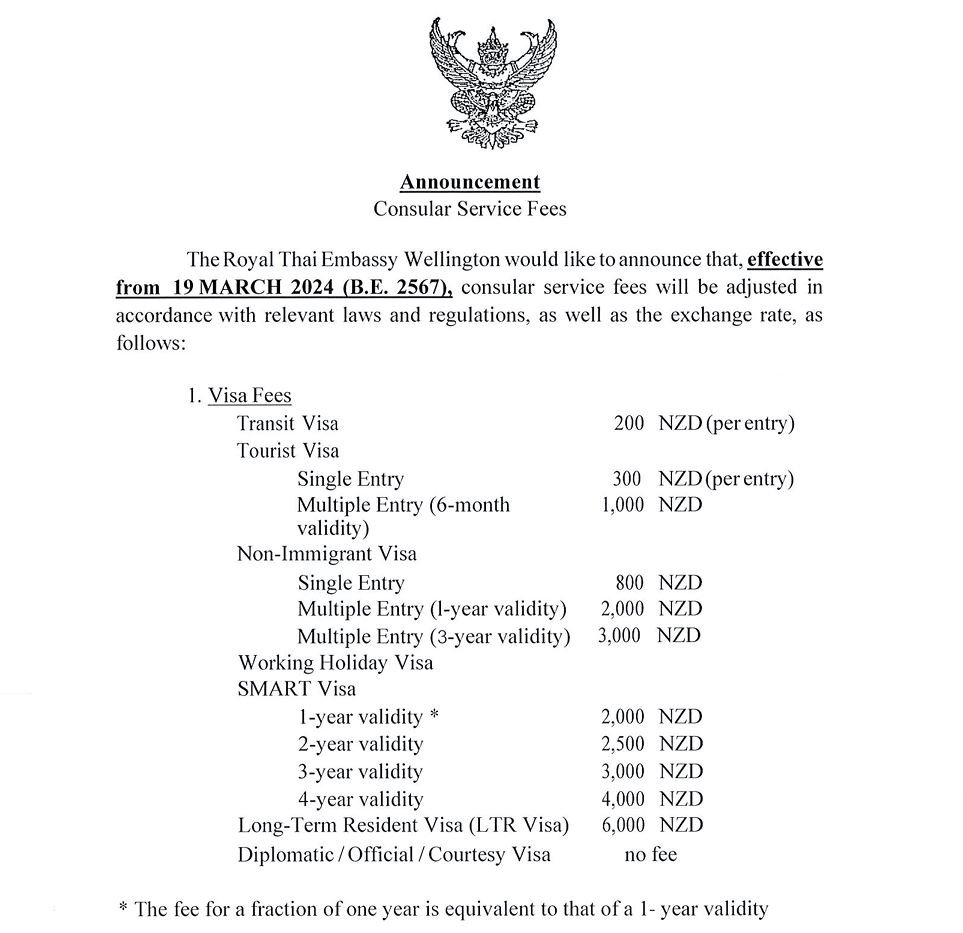
For international tourists, the reforms mean a more complex entry process and potential cost increases. While some travelers have expressed concern about the added bureaucratic hurdles, others see the changes as a necessary step toward more sustainable travel. “If it means preserving the places I love to visit, I’m willing to pay more,” says Australian traveler Emma Carter, who recently visited Phuket.
The global tourism industry is also adapting. Travel agencies and tour operators are updating their services to comply with the new requirements, while some hotels are investing in sustainability initiatives to align with the shifting regulatory environment.
Local Communities and Small Businesses
For many residents, the changes offer a mixed picture. While some welcome the reduction in overcrowding, others worry about the potential impact on their livelihoods. In Koh Samui, for example, local fishermen have reported that fewer tourists mean less demand for their services, even as the area’s natural beauty is preserved.
Small business owners are navigating a delicate balance. “We need tourists to survive, but we also need to protect our way of life,” says Ploy Narkdee, who runs a family-owned
