WestJet and union reach tentative deal to end flight attendant strike
The walkout by 4,400 flight attendants paralyzed operations across domestic and international routes as cabin crews pushed back against unpaid ground duties.

Negotiators for WestJet Airlines and the Canadian Union of Public Employees reached a tentative wage agreement, setting the stage to resolve a walkout that paralyzed operations during a busy holiday weekend.
The industrial action began at 12:01 am Mountain Time on 2 August, according to International Business Times, after contract talks broke down following nearly 11 months of negotiations. By mid-morning on Sunday, the dispute had grounded 615 flights and stranded approximately 250,000 travelers, according to data from aviation analytics firm Cirium cited by Livemint. The sudden disruption hit WestJet — Canada's second-largest carrier with a domestic market share of 30% — as it operated its flights across domestic and international destinations in the United States, the Caribbean, Central America, and Europe.
Related YouTube video
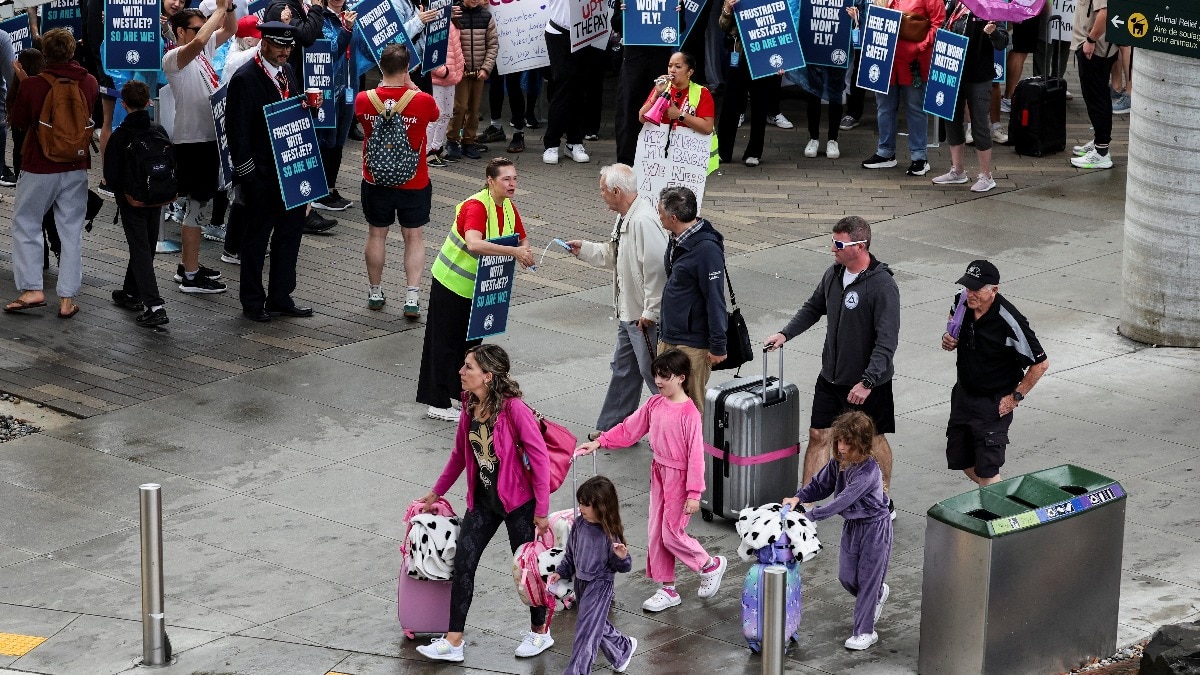
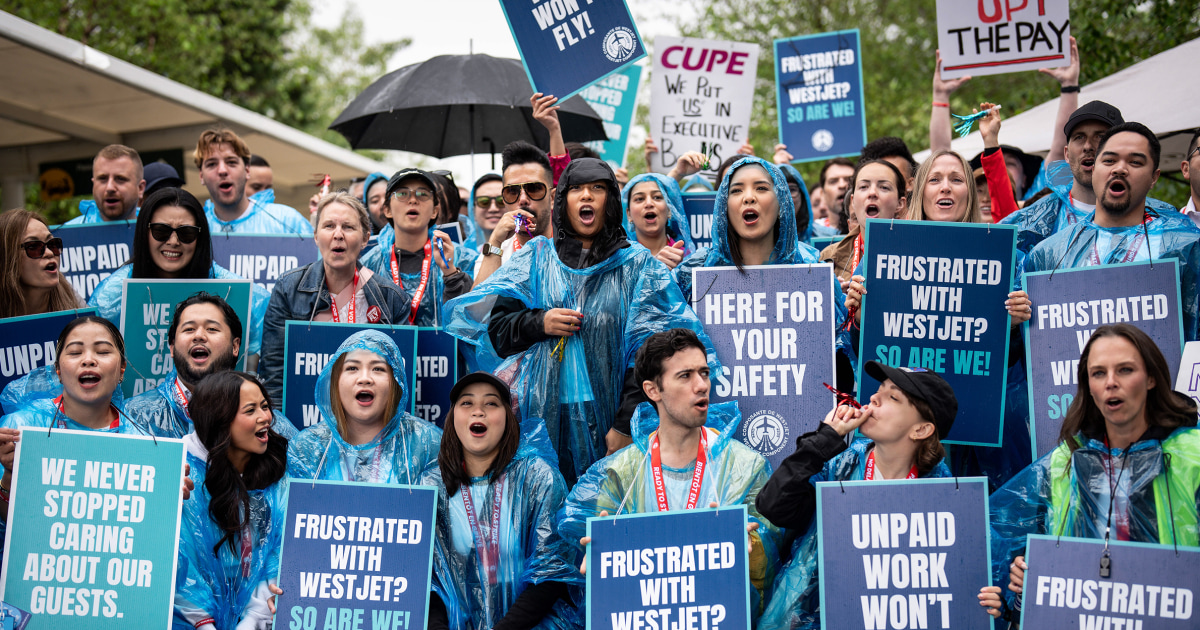
At the heart of the standoff was a fundamental clash over how cabin crews are compensated. The 4,400 flight attendants represented by the union challenged WestJet's traditional "block time" credit-hour pay system, which largely reimburses workers only for the period between an aircraft leaving the gate and arriving at its destination, as reported by International Business Times. The union argued that this model excludes vital preparatory and post-flight duties, including passenger boarding, safety checks, assisting delayed customers, deplaning, and finishing post-flight responsibilities. According to union estimates, flight attendants perform up to 35 unpaid hours every month, leaving junior crew members on shorter domestic routes particularly affected.
Conversely, the airline maintained that its compensation model already accounted for ground duties through higher credit-hour rates. As negotiations faltered, WestJet publicly disclosed the terms of its prior contract proposal. That rejected package featured a 13% wage increase this year, followed by annual 2.5% rises through 2029, alongside additional pay for all hours worked equivalent to another 12% salary increase. The proposal also included higher per diems, improved maternity benefits, and vacation allowance. The union, however, deemed the offer insufficient to address its core demand.
The sudden strike triggered chaotic scenes at airports as holiday travelers scrambled for refunds or re-accommodations. While WestJet pledged to reaccommodate passengers, many travelers reported difficulties reaching customer service departments amid the gridlock. Canada's jobs minister, Patty Hajdu, called the situation disappointing, noting that work stoppages should not halt bargaining table discussions. Meanwhile, the union expressed hope that the federal government would steer clear of interfering in the dispute, contrasting with Ottawa's intervention during a four-day strike by Air Canada flight attendants last August.
The WestJet walkout mirrors a broader North American industry trend. Cabin crews at multiple carriers have pushed back against traditional compensation structures that limit pay primarily to times when aircraft are in motion.
Under the newly struck tentative agreement, the flight credit system will evolve. According to reports from CBC News cited by The HR Digest, the package introduces a duty period premium designed to recognize and compensate more of the work cabin crew are required to perform. Union president Alia Hussain stated that the tentative agreement represents meaningful progress by providing general compensation increases for those duties.
The tentative agreement now heads to union members for a formal ratification vote. Details of the contract will be presented to cabin crews ahead of the vote, with further updates from WestJet regarding the return to operations expected as the ratification process unfolds.
Navigating the Fallout and Public Sentiment
The disruption exposed widespread public debate regarding labor rights during peak travel periods. According to an Abacus Data survey cited by The HR Digest, 84 percent of surveyed respondents agreed that cabin crews should be paid for all work-related duties, while 83 percent supported the workers' right to strike. Meanwhile, WestJet Group CEO Alexis von Hoensbroech told Reuters, as reported by Livemint, that the airline's rejected proposal would have established a new standard for Canadian cabin crews.
As the carrier works to restore regular schedules across its fleet, consisting largely of Boeing 737 single-aisle jets, alongside regional carrier WestJet Encore and codeshare services that continued operating throughout the dispute according to International Business Times, the next step requires union members to review the tentative agreement and cast their ballots in the upcoming ratification vote.
How significant is this development?
Contribute your assessment to the aggregated reader intelligence ledger.
Archypedia is dedicated to independent, evidence-backed reporting. This briefing was synthesized from primary source reporting, corroborated across independent newsrooms, and verified against our Editorial Standards.
Transparency record
Evidence behind this report
This report synthesizes 5 distinct sources. Open the source ledger below to compare the underlying coverage.
Prepared under the Archypedia Editorial Policy by the Elena Voss editorial desk profile. AI-assisted tools may support drafting and verification; public accountability remains with Archypedia. Report an error.