South Korea halts new single-stock leveraged ETF listings to curb volatility
South Korean financial regulators have implemented a moratorium on new single-stock leveraged ETFs and raised cash deposit requirements to curb market volatility.
South Korea’s financial regulators have announced a temporary halt on all new listings of single-stock leveraged exchange-traded funds (ETFs) in a move designed to stabilize the nation's equity market. The decision, unveiled Thursday, July 16, 2026, follows a period of extreme turbulence in the South Korean financial landscape, where leveraged products linked to major semiconductor manufacturers have been blamed for exacerbating price swings.
The Financial Services Commission (FSC) confirmed that the moratorium on new product launches will remain in effect until market conditions reach a state of stabilization. This regulatory shift is part of a broader effort by the nation's top economic policymakers—a group including the Finance ministry, the central bank, and financial supervisors—to address concerns regarding retail investor exposure to highly volatile financial instruments.
Related media


Increased Barriers for Retail Investors
To curb speculative activity, authorities are significantly raising the financial threshold for participation. Starting August 5, 2026, the minimum cash balance required to trade single-stock leveraged ETFs will increase from 10 million won to 30 million won. Unlike previous arrangements where investors could meet a portion of this requirement through existing stock holdings, the new rules mandate that the 30 million won deposit must be maintained in cash.
Beyond the deposit requirements, regulators are implementing additional structural changes to oversee the funds. Asset managers and broker-dealers will be legally mandated to retain high-quality liquidity providers to manage pricing disparities. Byun Je-ho, the director general for the capital markets team at the FSC, stated that the regulator is holding asset managers accountable because they are in the position to hire liquidity providers who can effectively mitigate market distortions.
Market Impact and Policy Shift
The decision to halt new listings comes just months after regulators greenlit domestic single-stock leveraged ETFs in late May. The rapid proliferation of these products, which offer a multiple of a stock's daily returns, coincided with a surge in retail borrowing. By the end of May, stock margin borrowing by retail investors had reached a record 60 trillion won. Analysts and market observers have noted that these products, which require daily rebalancing to maintain their leverage targets, have created a feedback loop of trading activity that often exceeds underlying investor sentiment, leading to sharp price movements in key stocks such as Samsung Electronics and SK Hynix.
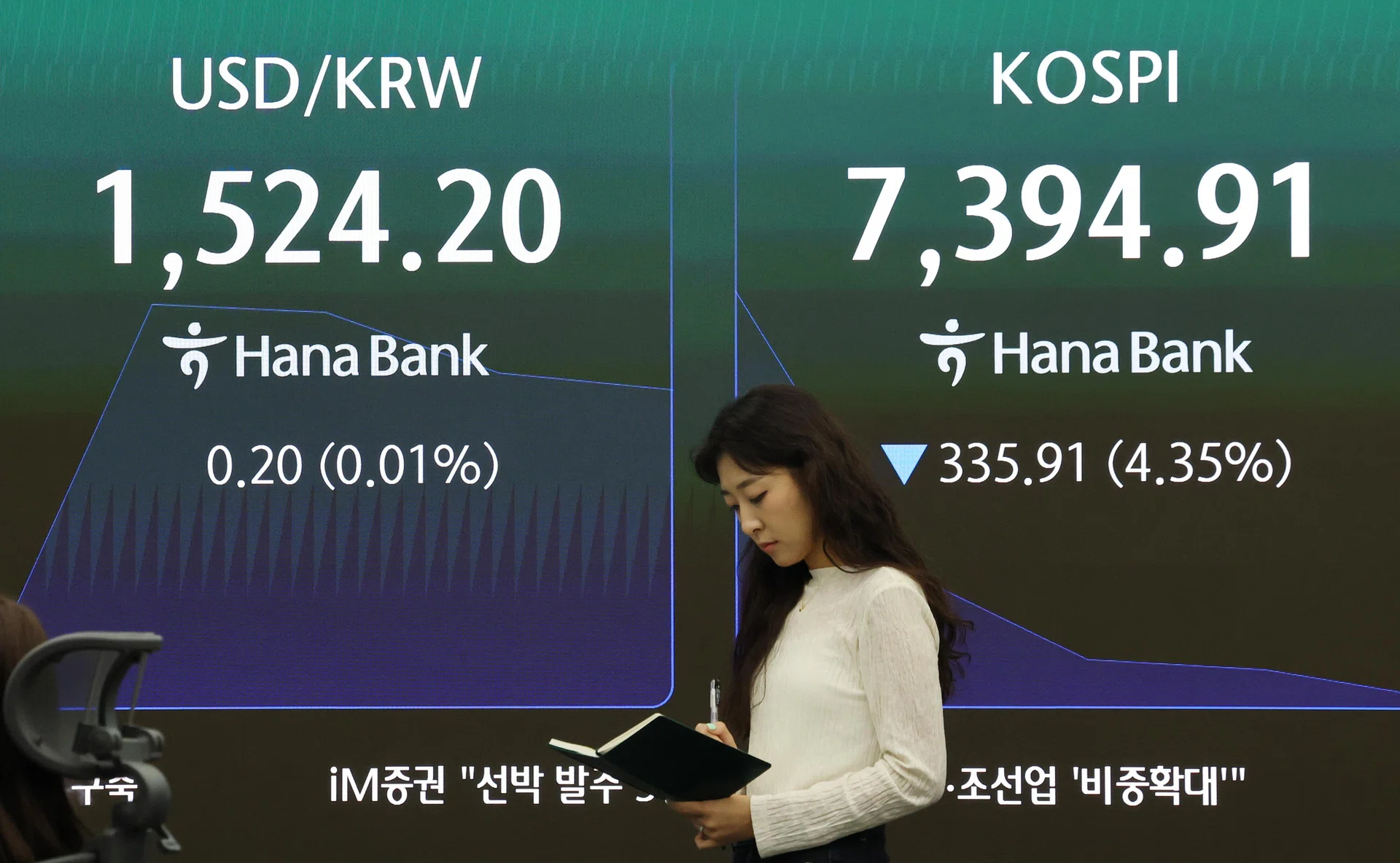
The intensity of the recent market downturn has been severe. On July 16, 2026, the KOSPI index dropped more than 6%, entering bear-market territory. During the same session, shares of SK Hynix and Samsung Electronics experienced significant declines. This volatility has prompted a rare acknowledgment from the head of South Korea’s market watchdog, who previously admitted that the initial approval of these high-risk products may have been too hasty.
Expert Commentary and Future Outlook
The regulatory intervention has drawn varied responses. Inki Cho, a senior financial market strategist at Exness, described the FSC’s move as a correction of a known policy error, though he warned that such abrupt regulatory changes could prompt a rush to exit positions before the implementation date, potentially amplifying short-term volatility. Meanwhile, industry representatives from the Korea Financial Investment Association have expressed concern that overly restrictive domestic rules might simply drive local investors toward similar, less-regulated products listed on overseas exchanges.
The current landscape reflects a struggle to balance the modernization of capital markets with the necessity of investor protection. As of mid-July 2026, the following measures are scheduled to take effect:
| Measure | Implementation Date |
|---|---|
| Minimum cash deposit increase (30 million won) | August 5, 2026 |
| Mandatory retention of high-quality liquidity providers | August 2026 |
While the ban on new listings remains indefinite, policymakers are monitoring the broader effects of the volatility on the semiconductor sector, which remains central to the country's economic performance. Regulators have also signaled a commitment to strengthening risk-disclosure requirements and enhancing mandatory investor education programs to better prepare participants for the risks inherent in leveraged trading.
Archypedia is dedicated to independent, evidence-backed reporting. This briefing was synthesized from primary source reporting, corroborated across independent newsrooms, and verified against our Editorial Standards.
Transparency record
Evidence behind this report
This report synthesizes 9 distinct sources. Open the source ledger below to compare the underlying coverage.
- channelnewsasia.com
- finance.yahoo.com
- businesstimes.com.sg
- morningstar.com
- cryptobriefing.com
- kaohooninternational.com
- koreatimes.co.kr
- thestar.com.my
- economictimes.indiatimes.com
Prepared under the Archypedia Editorial Policy by the Elena Voss editorial desk profile. AI-assisted tools may support drafting and verification; public accountability remains with Archypedia. Report an error.