Sapporo moves some beer production from Canada to US after 50% tariffs
Sapporo is seeking new US West Coast manufacturing capacity just months after closing a California plant as part of a previous efficiency drive.

TOKYO — Sapporo Breweries is reversing its recent effort to centralize United States production in Virginia, forced by a a 50% tariff on Canadian beer imports that has rendered its existing cross-border supply chain untenable. The shift marks a abrupt departure from an April efficiency drive that saw the company consolidate its American brewing operations to lower fixed costs.
To protect its non-alcoholic beer line, Sapporo will move production of those products from its Canadian subsidiary, Sleeman Breweries, to the US by the first half of 2027. The decision highlights a growing conflict between internal corporate efficiency and the volatility of international trade barriers, as the the brewer now seeks to establish new manufacturing capacity on the US West Coast to bypass the levies.
Related YouTube video

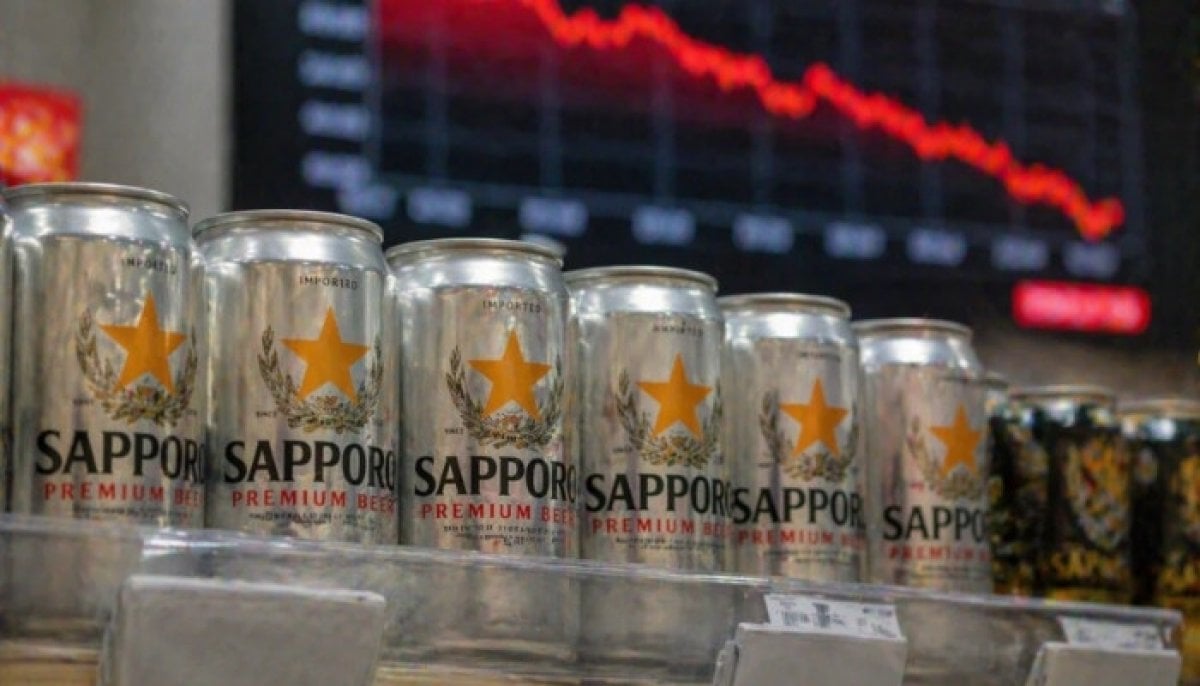

The Conflict Between Efficiency and Trade Barriers
The necessity of adding West Coast capacity comes just months after Sapporo attempted to streamline its American footprint. In April, the company announced that Richmond, Virginia, would become its core US production site. As part of that plan, Sapporo decided to cease brewing at its facility in Escondido, California, by the end of the year to improve efficiency. The Deep Dive reports that this restructuring carried approximately $80 million in expected impairment losses and related expenses.
Those efficiency gains are now being eroded by trade policy. According to Yahoo Finance, the 50% tariff on beer imported from Canada significantly increases costs for companies shipping across the border. Sapporo has already budgeted for this volatility, projecting a ¥1.2 billion negative impact from US tariffs for fiscal 2026, an increase from the ¥800 million forecasted for fiscal 2025.
Chief Strategy Officer Rieko Shofu told Bloomberg that tariffs are something out of our control
and that the company must move ahead with local production
.
North American Restructuring and Global Ambitions
The production shift is not an isolated reaction but part of a larger effort to reinvigorate North American operations following a series of failed acquisitions. The Japan Times notes that the company sold Stone Brewing in 2022 and liquidated Anchor Brewing in 2023 after those ventures failed to deliver sufficient returns.
Facing a shrinking population in Japan that has dampened domestic alcohol sales, Sapporo is aggressively pursuing overseas growth. The company is investing heavily in its flagship brand, which it claims is the best-selling Asian beer brand in the US.
| Financial Metric | Current/Previous State | 2030 Target |
|---|---|---|
| Operating Profit | Around ¥24 billion (last year) | ¥40 billion |
| Investment Budget | N/A | ¥300 billion to ¥400 billion |
Roughly 30% of this investment is earmarked for overseas markets. Beyond North America, Sapporo announced a partnership in July with Danish brewer Carlsberg to expand into Southeast Asia, while also seeking opportunities in China and South Korea, according to Shofu.
The Retaliatory Cycle
The pressure on Sapporo is compounded by a reciprocal trade dispute. On September 8, 2026, Canada retaliated against US measures by imposing tariffs of 15%, 25%, and 50% on $27.6 billion of US imports. This tit-for-tat environment is forcing a reconsideration of where goods are manufactured to ensure customer service remains cost-effective.
For Sapporo, the stakes involve its ownership of Sleeman Breweries. As Canada's third-largest brewer with four production facilities, Sleeman has been a key part of the North American supply network. Moving non-alcoholic production out of these facilities fundamentally alters the utility of the Canadian subsidiary.
Frequently Asked Questions
Which specific products are moving to the US?
Sapporo is shifting the production of its non-alcoholic beer, which is currently brewed in Canada for American consumers.
When will the production shift be complete?
The company plans to have the production moved to the United States by the first half of 2027.
Why is Sapporo investing so heavily outside Japan?
A shrinking Japanese population has led to a decline in long-term alcohol consumption domestically, creating a "considerable sense of urgency" to find growth in markets like the US and Southeast Asia.
The company now faces a critical operational decision regarding its West Coast expansion. To replace the lost Canadian capacity, Sapporo is weighing three distinct paths: building a new brewery from the ground up, acquiring an existing facility, or contracting production to a third-party manufacturer.
West Coast Recovery and Capacity Logic
The decision to seek new capacity on the US West Coast suggests a strategic pivot to regain the regional footprint lost during the April consolidation. While the closure of the Escondido, California, plant was intended to lower fixed costs, the current tariff environment has made importing non-alcoholic beer from Canada financially unviable. The Japan Times reports that this shift is part of a broader attempt to reinvigorate North American operations after the 2022 sale of Stone Brewing and the 2023 liquidation of Anchor Brewing.
To resolve the capacity gap, Sapporo is evaluating three specific operational models:
- Greenfield Investment: Building a new brewery from the ground up.
- Acquisition: Purchasing an existing brewing facility.
- Outsourcing: Contracting production to a third-party manufacturer.
The choice between these options will determine the speed at which the company can meet its first-half 2027 deadline. Rieko Shofu emphasized the necessity of this expansion, noting that the US is a huge market
where the company currently possesses a lot of momentum
to expand its market share, according to The News.
Beyond the immediate trade conflict, the company is managing a domestic crisis in Japan. Shofu described a considerable sense of urgency
regarding the Japanese market, where a shrinking population has reduced long-term alcohol consumption. This domestic decline has led the company to consider greater supply-chain cooperation with rivals over the longer term.
The company's immediate priority remains the stabilization of its American supply chain. Determining whether to build, buy, or contract for West Coast production is the next step.
Archypedia is dedicated to independent, evidence-backed reporting. This briefing was synthesized from primary source reporting, corroborated across independent newsrooms, and verified against our Editorial Standards.
Transparency record
Evidence behind this report
This report synthesizes 4 distinct sources. Open the source ledger below to compare the underlying coverage.
Prepared under the Archypedia Editorial Policy by the Elena Voss editorial desk profile. AI-assisted tools may support drafting and verification; public accountability remains with Archypedia. Report an error.