Qantas plane lands safely in Christchurch after engine flames seen at takeoff
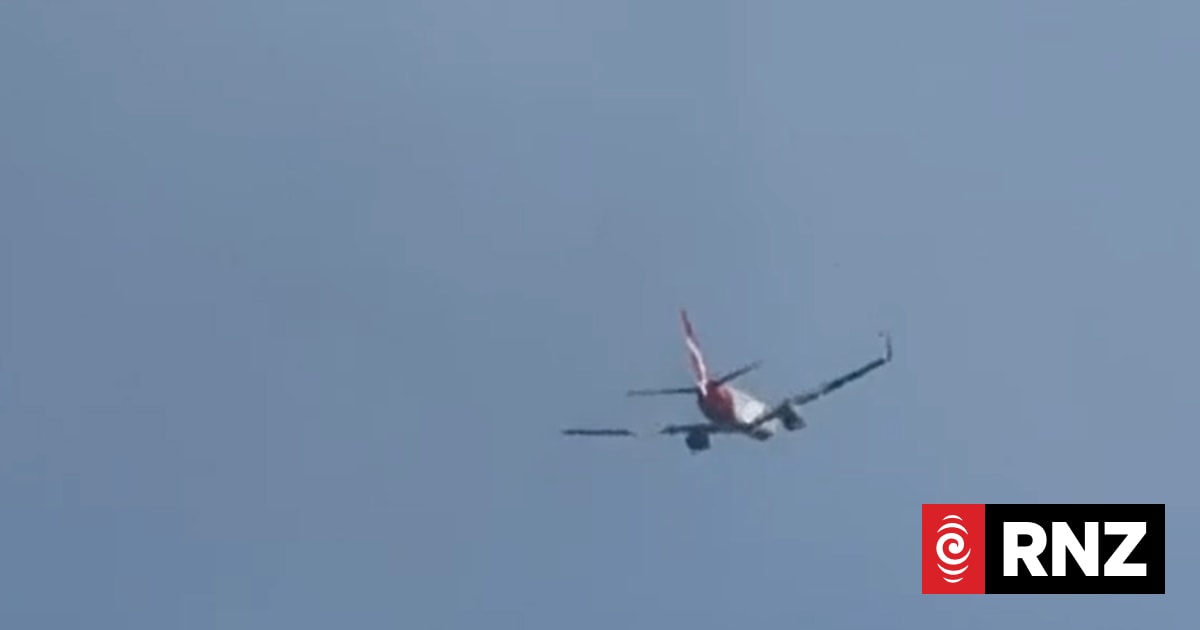
Witnesses and passengers reported a succession of loud bangs and orange flames erupting from the aircraft's left engine shortly after departing Queenstown.

Qantas describes the emergency that diverted Flight QF122 on Saturday, September 5, 2026, as a suspected engine issue
. However, the experience of those on the ground and in the cabin was far more violent, characterized by a rapid succession of explosions and visible fireballs erupting from the aircraft's left engine during its climb from Queenstown.
The Boeing 737-800, carrying 158 passengers and crew, was bound for Sydney when the failure occurred shortly after takeoff. While the aircraft eventually landed safely in Christchurch, the incident has been marked by a contradictory official narrative regarding the cause, as regulators initially cited a bird strike before abruptly retracting the claim.
Related video and Instagram post
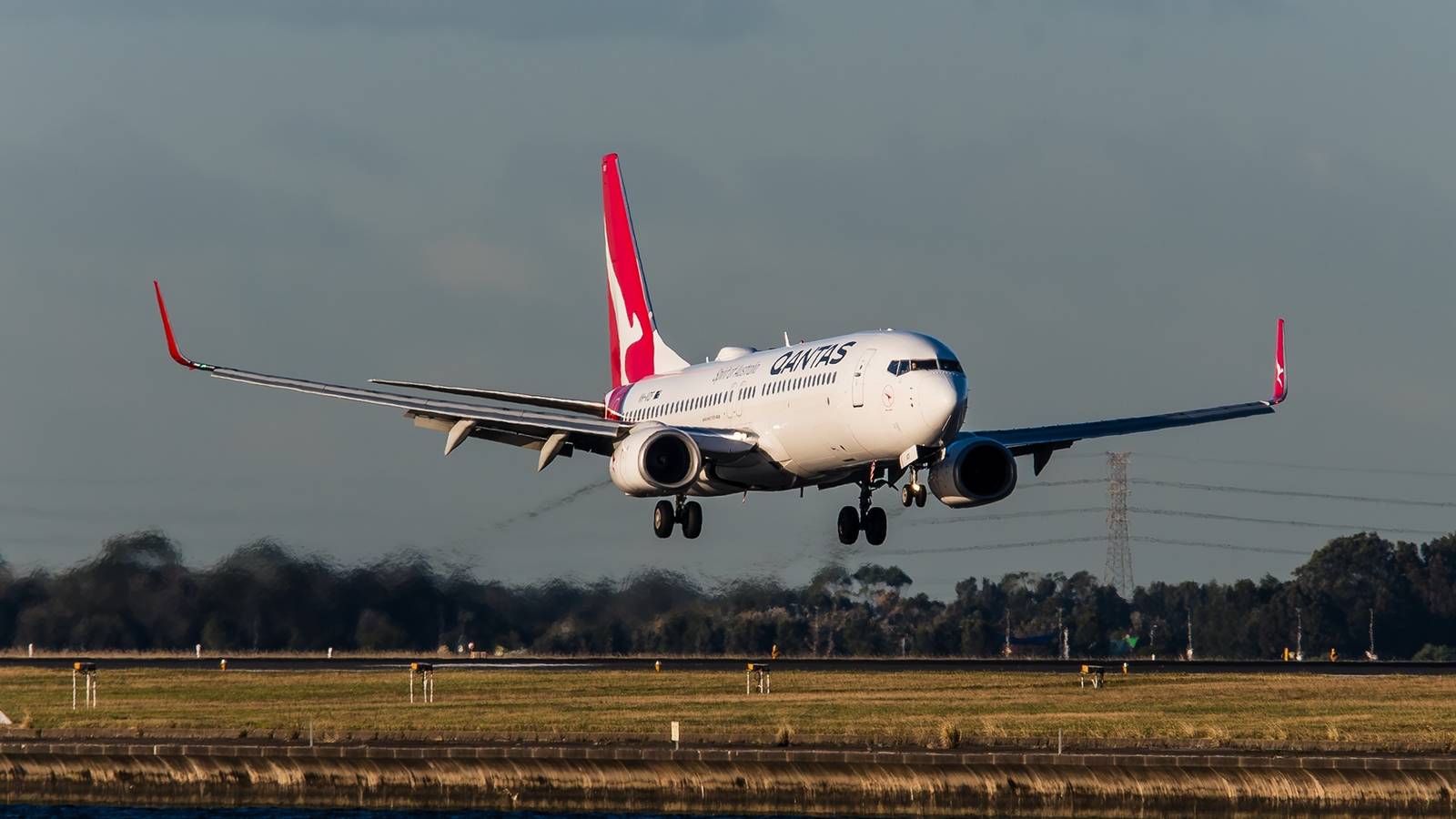
A Sequence of 'Explosions'
The event began shortly after the aircraft became airborne. Ground witnesses in Queenstown described a scene of auditory and visual distress. Mark Venning, driving along Frankton Road, reported hearing sharp popping noises like loud gunshots
followed by orange flames. Another resident, Luke Pace, described seeing fireballs
emanating from the engine.
Inside the cabin, the experience was similarly acute. One passenger told Chris Lynch Media that they heard approximately four or five consecutive loud explosions
, noting that fireballs blew from the engine in coincidence with each bang. The aircraft appeared to steady itself after about one minute of this instability.
Nic Chamberlain, speaking to Rnz, described the noises as a rapid succession boom, boom, boom, boom, boom, boom
loud enough to make everyone in the vicinity turn their heads.
Diversion and Emergency Response
Flight QF122 had departed Queenstown at 4:05 p.m. Local time, roughly 40 minutes behind its scheduled 3:25 p.m. Departure. Following the engine failure, the aircraft did not continue to Sydney. According to Simple Flying, the crew initially planned to divert to Invercargill Airport, the southernmost controlled airport in the Commonwealth. Fire and Emergency New Zealand records confirm an aircraft emergency was reported at Invercargill at 4:12 p.m., triggering a response from local crews.
The decision was later made to proceed to Christchurch, the South Island's largest airport. Hato Hone St John was notified of the diversion at 4:25 p.m. And deployed multiple ambulance resources as a standard precaution. By the time the aircraft touched down at approximately 5:07 p.m., emergency crews were waiting on the tarmac. Footage captured by 1news showed smoke continuing to emanate from the left engine upon landing.
The Shifting Official Narrative
There is a notable divergence between the reports of the incident's cause. Aviation Today and RNZ report that the Civil Aviation Authority (CAA) initially identified a bird strike as the cause of the flames and noise. However, the CAA subsequently amended this position, stating it was unable to confirm the cause at this stage and that an investigation is ongoing.
Qantas has remained more guarded in its language. In a corporate statement, the airline referred only to a suspected engine issue
and emphasized that pilots are highly trained to manage situations like this
.
Aircraft History: VH-VZQ
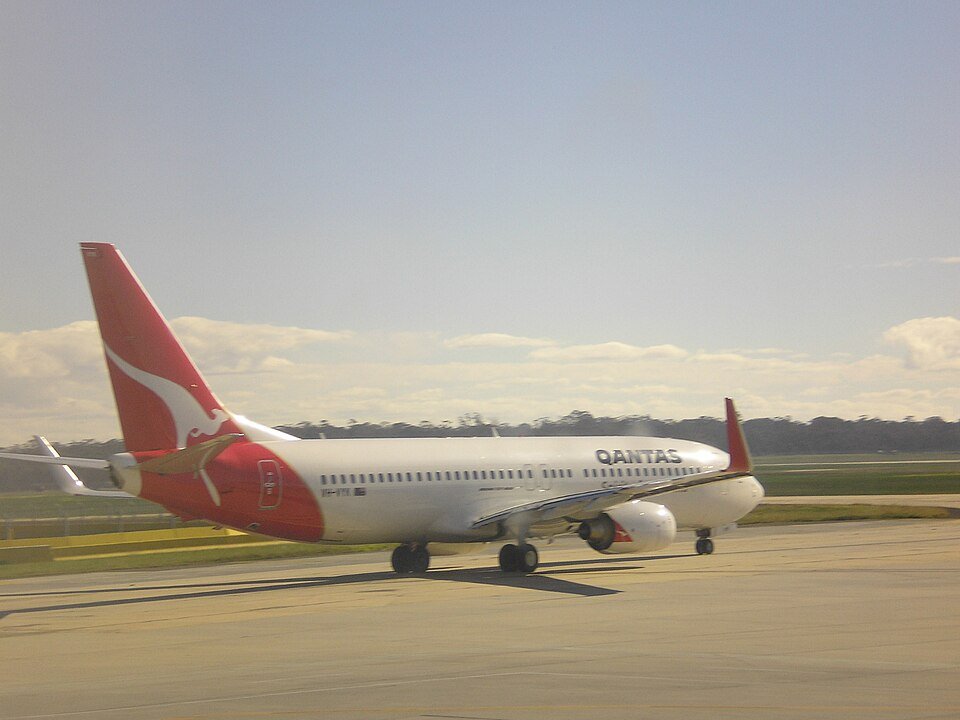
The aircraft involved is a Boeing 737-800, a model that has seen widespread use across the Qantas network. Registration VH-VZQ has a history of transitioning between the group's regional and mainline operations.
| Milestone | Date | Operator/Status |
|---|---|---|
| First Test Flight | August 6, 2011 | Jetconnect |
| Entry into Regular Service | August 18, 2011 | Jetconnect |
| Transfer to Mainline | November 28, 2018 | Qantas |
| Engine Incident | September 5, 2026 | Diverted to Christchurch |
The aircraft spent its first seven years operating for Jetconnect, the New Zealand-based subsidiary of Qantas, before moving to mainline Australian domestic and short-haul international services in 2018.
The aircraft remains grounded on the apron at Christchurch Airport, parked at an international terminal gate.
Passenger Care and Logistics
Following the touchdown in Christchurch, Qantas confirmed that it would provide accommodation and rebook all affected passengers on other flights. The airline stated it would be contacting customers to provide support after what it acknowledged was a distressing experience
.
While the aircraft's arrival triggered a massive emergency response, Hato Hone St John confirmed that ambulance units were stood down after it was determined that they were not required to assess or treat any of the 158 people on board. RNZ notes that both Queenstown and Christchurch airports remained operational without major interruptions to other scheduled services.
The scale of the ground response in Christchurch included five ambulances and multiple Fire and Emergency New Zealand crews, according to Aviation Today. This deployment was treated as a standard procedure for an aircraft of this size experiencing a suspected engine failure.
The aircraft is currently grounded at an international terminal gate. Determining the exact cause of the flame bursts and the auditory bangs
reported by witnesses is the next step in the official investigation by the Civil Aviation Authority.
Archypedia is dedicated to independent, evidence-backed reporting. This briefing was synthesized from primary source reporting, corroborated across independent newsrooms, and verified against our Editorial Standards.
Transparency record
Evidence behind this report
This report synthesizes 4 distinct sources. Open the source ledger below to compare the underlying coverage.
Prepared under the Archypedia Editorial Policy by the Elena Voss editorial desk profile. AI-assisted tools may support drafting and verification; public accountability remains with Archypedia. Report an error.