New York sues Kalshi for $36 billion over alleged illegal gambling
The lawsuit seeks $36 billion in damages and a total halt of operations, arguing that Kalshi's activities meet the legal definition of gambling. The case highlights a conflict between state regulators and the CFTC.

The state of New York is seeking $36 billion from the prediction market platform Kalshi, a figure derived from a combination of forfeited illegal gains, restitution for harmed consumers, and treble damages on all gambling proceeds. The Manhattan state court filing further demands a $100,000 penalty for every customer solicitation, according to reporting by Finance.
The lawsuit, announced Friday, July 31, 2026, by Governor Kathy Hochul and Attorney General Letitia James, accuses the New York-based company of running an illegal, unlicensed gambling operation
according to Boston Herald. The state intends to halt Kalshi's operations entirely, arguing that the platform's activities—which include wagering on sports, politics, and weather—meet the legal definition of gambling because the outcomes are uncertain and outside the bettor's control.
Related YouTube video
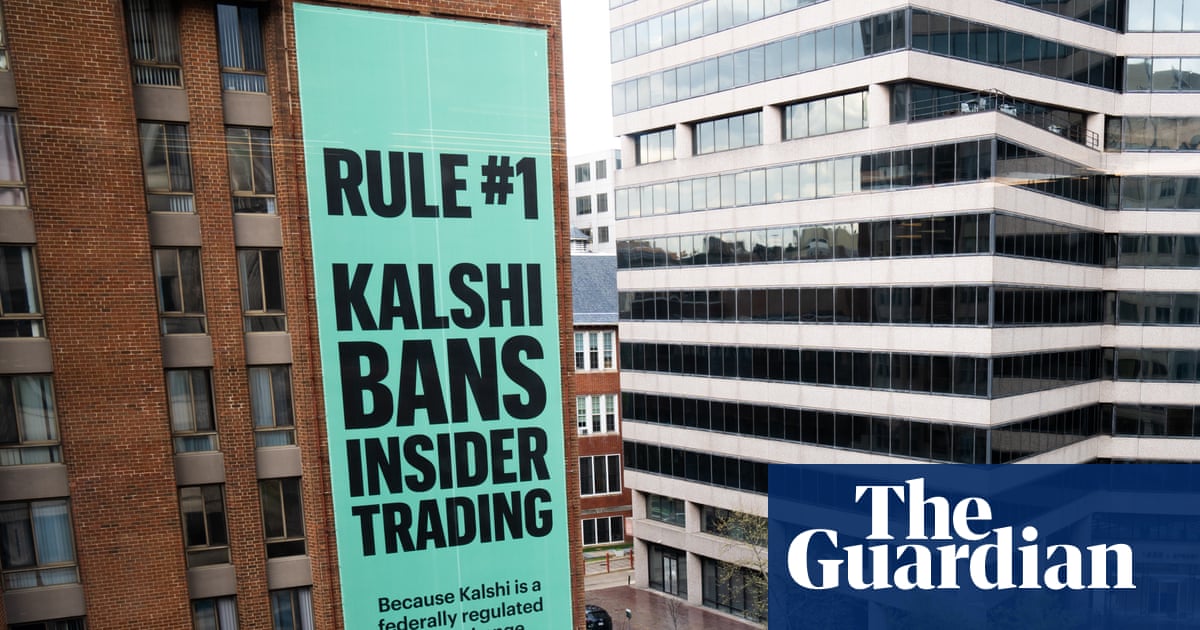

The dispute centers on a fundamental disagreement over whether these platforms are financial exchanges or sportsbooks. Kalshi contends it is a federally licensed exchange where users trade event derivatives
against other consumers, similar to a stock market, with the platform only collecting a trading fee. Conversely, New York officials argue that the bulk of such business is sports betting, which falls under state jurisdiction. This distinction has direct financial implications for the state; New York claims Kalshi skirted the taxes that licensed casinos and mobile sports gambling platforms must pay, revenue that The Guardian reports funds public schools, youth sports, and problem gambling treatment.
A primary point of contention is the age of the users. Kalshi allows participants aged 18 and older, but New York law requires mobile sports betting users to be at least 21. State officials allege that allowing 18- to 20-year-olds to use the platform exposes them to financial harm and psychological distress.
"New York’s gambling laws protect children from underage betting and help combat gambling addiction. No matter what they call themselves, prediction markets like Kalshi are gambling platforms, plain and simple."
Letitia James, Attorney General of New York, via Newsday
The legal clash follows a collapse in private negotiations. Finance reports that Kalshi had spent weeks discussing consumer safeguards and a revenue-sharing arrangement with state officials, patterned after a deal the company reached in North Carolina, before talks broke down.
Kalshi has dismissed the lawsuit as political theater
and argues that state authorities cannot shut down a federally licensed exchange. Elisabeth Diana, a spokesperson for Kalshi, stated that such actions would drive New Yorkers to use offshore platforms. This position is backed by the Commodity Futures Trading Commission (CFTC), which claims exclusive federal jurisdiction over these transactions.
The conflict has created a fractured legal environment across the United States:
- Federal Intervention: In April, the federal government sued Illinois, Arizona, and Connecticut to challenge their attempts to regulate prediction markets.
- Judicial Halts: Federal judges have recently blocked Minnesota's ban on prediction markets and Arizona's efforts to enforce gambling laws against such platforms.
- Conflicting Rulings: Courts in Wisconsin, Michigan, and Nevada have issued contradictory decisions on state regulatory power.
The risk of addiction remains a central argument for state regulators. Lia Nower, director of Rutgers University’s center for gambling studies, told The Guardian in May that unregulated markets like Kalshi and Polymarket may have an additive effect
to legal gambling, potentially increasing rates of problem gambling.
This case is the latest in a series of state-level actions. Attorney General James filed similar lawsuits against the platforms Gemini and Coinbase in April. Additionally, the New York Gaming Commission issued a cease-and-desist letter to Kalshi in October 2025 regarding its sports betting markets; a federal judge recently rejected Kalshi's attempt to block that order.
The outcome may now depend on a federal intervention. Hours before the state's announcement on July 31, the CFTC moved in court to block New York from taking any enforcement action against Kalshi. CFTC Chairman Michael Selig stated on X that the agency will defend its jurisdiction against attempts to force a nationwide shutdown of prediction markets.
Regulatory Friction and Federal Conflict
The legal battle over Kalshi is part of a broader national struggle involving more than 20 federal lawsuits. These cases seek to determine if operators such as Kalshi and Polymarket should be governed as financial exchanges under federal oversight or as gambling entities subject to state laws. The federal government has already taken a combative stance against state regulation, suing Arizona, Connecticut, and Illinois in April.
Kalshi's struggle with New York specifically began earlier than the current lawsuit. In October 2025, the New York Gaming Commission issued a cease-and-desist order against the company for the illegal operating
of an unlicensed mobile sports wagering platform, according to Boston Herald. Kalshi responded by filing a federal lawsuit against the commission and its members, a legal action that remains pending.
The conflict persists despite attempts by the platforms to align with some state standards. The Wall Street Journal reported via Finance that Kalshi attempted to negotiate a revenue-sharing arrangement and consumer safeguards with New York officials, using a model previously established in North Carolina. These talks collapsed shortly before the state filed its current suit.
Governor Kathy Hochul emphasized that the lack of licensing allowed Kalshi to bypass the rules and taxes that govern casinos, stating that no company is above the law
via The Guardian.
Because the Commodity Futures Trading Commission moved in court to block the state's enforcement action just hours before the lawsuit's announcement, the next step depends on whether the court upholds the agency's claim of exclusive federal jurisdiction over these event derivatives.
Archypedia is dedicated to independent, evidence-backed reporting. This briefing was synthesized from primary source reporting, corroborated across independent newsrooms, and verified against our Editorial Standards.
Transparency record
Evidence behind this report
This report synthesizes 4 distinct sources. Open the source ledger below to compare the underlying coverage.
Prepared under the Archypedia Editorial Policy by the Elena Voss editorial desk profile. AI-assisted tools may support drafting and verification; public accountability remains with Archypedia. Report an error.