Copper surges to all-time high on London Metal Exchange amid tariff fears
Speculation over US Section 232 tariffs has triggered a massive rerouting of refined copper into US warehouses, depleting global reserves and driving prices to record levels.

LONDON — Industrial metals markets have entered unprecedented territory as copper prices shattered previous records on the London Metal Exchange, hitting an all-time high of $14,617 a ton. The surge follows a multi-session rally fueled by intense speculation that President Donald Trump will expand US tariffs to include imports of refined metal, according to Yahoo Finance.
Benchmark three-month futures on the LME gained as much as 0.8% to trade at $14,533 a ton, surpassing the previous record set in January, reported Mining.
Related YouTube video
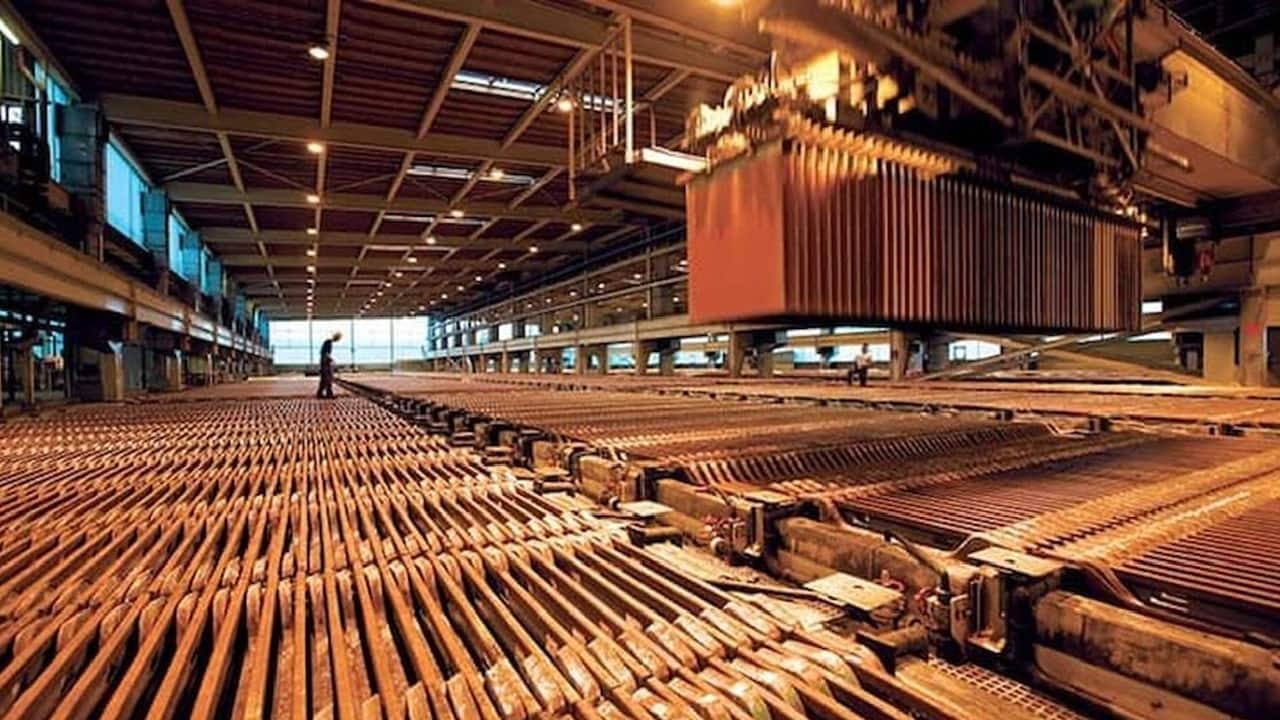
The Mechanics of Tariff Arbitrage and Inventory Drainage
Since President Trump first proposed copper levies in February of last year, a persistent premium for futures contracts on New York's Comex has created a significant arbitrage opportunity. Traders have exploited this by accelerating shipments into the US to capture higher prices.
This behavior culminated in a record 225,094 metric tons of refined copper flowing into the US in July 2026, according to Cryptobriefing. The result is a starkly polarized global market. While US Comex inventories swelled to between 695,000 and 766,000 short tons, reserves across the London Metal Exchange and the Shanghai Futures Exchange fell sharply, frequently dropping below 250,000 tons.
Cristián Cifuentes, a senior analyst at the Chilean copper industry think tank Cesco, told Moneycontrol that the current environment is driven by the relocation of metal due to tariffs rather than excess final demand. He characterized the situation as a series of localized shortages rather than a global demand surplus.
| Metric / Exchange | Recorded Value | Context |
|---|---|---|
| LME All-Time High | $14,617 per ton | Peak record reached during recent trading sessions. |
| US July Refined Imports | 225,094 metric tons | Record single-month influx due to front-loading. |
| Comex US Stockpiles | 695,000 to 766,000 short tons | Defensive accumulation by domestic buyers. |
| LME & SHFE Reserves | Below 250,000 tons | Depleted global warehouses due to US rerouting. |
Supply-Side Pressures and Corporate Windfalls
Beyond immediate tariff fears, a long-term mismatch between supply and demand provides a baseline for high valuations. The world's aging fleet of large mines is struggling to meet demand from power grids, renewable energy, and data center expansion. Market analyst Jim Bianco noted that copper had already advanced more than 68% since April 2025, a trend that predates the current wave of tariff speculation, according to Yahoo Finance.
This environment has proven lucrative for the industry's largest players. Rio Tinto Group, BHP Group, Glencore Plc, and Zijin Mining Group Co. All reported substantial profit increases in recent earnings statements, bolstered by their copper assets. However, these windfalls coexist with severe operational hurdles. Mining reports that several major miners have faced challenges this year, with Chile's copper shipments sinking to their lowest level in more than a year in August.
Further pressure comes from prolonged outages in Indonesia and Chile. According to Moneycontrol, unless the industry achieves a recovery in the second half of the year, global mined supply is on track to register its first annual decline since 2017.
Frequently Asked Questions
Why are prices rising despite tepid global demand?
The rally is primarily a result of physical metal relocation. Traders are front-loading shipments into the US to avoid future tariffs, which drains warehouses in London and Shanghai and creates acute regional shortages.
What is the status of the US government's tariff investigation?
The Department of Commerce was tasked with advising the White House on primary copper levies via a report due on June 30. That report is now roughly two months overdue, leaving traders to price in potential duties without official guidance.
Broader Market Divergence and Policy Uncertainty
The surge in copper has occurred alongside a divergent performance in precious metals. Gold is currently trading near $4,405 an ounce, which is approximately 21.8% below its record peak of $5,589.38 set on January 28, according to Yahoo Finance. Analyst Qmo suggested that the copper-gold ratio broke its downtrend for the first time this year, potentially signaling a rotation from defensive positions into industrial exposure, though gold still rose about 10% in August.
The urgency of current buying is tied to a specific policy timeline. Cryptobriefing reports that proposed duties under the Section 232 investigation include a 15% tariff starting in January 2027, which could potentially rise to 30% by 2028. This creates a "price cliff" that encourages US manufacturers to accelerate purchases.
Chronology of Key Copper Market Catalysts
- February of Last Year: President Donald Trump formally proposes trade levies on copper, triggering the Comex-global arbitrage window.
- August of Last Year: A presidential proclamation imposes a 50% tariff on semi-finished copper products, excluding refined metal.
- June 30: The original deadline for the Department of Commerce to issue its advisory report on primary copper imports.
- July 2026: US refined copper imports reach a record 225,094 metric tons in a single month.
- August 2026: Chilean copper export revenues drop to their lowest in over a year; Comex copper pushes past $6.71 a pound.
The market now faces a binary outcome dependent on the delayed Section 232 findings. If the White House implements the proposed levies, current speculative positioning will be validated. Conversely, if the policy is modified or delayed, the front-loading trade could unwind, potentially leading to a price pullback as US warehouses reach capacity and the artificial tightness in global inventories eases.
These regulatory tensions coincide with macroeconomic headwinds, including a robust US jobs report that has increased expectations for a Federal Reserve interest rate hike and a surge in US borrowing costs.
Archypedia is dedicated to independent, evidence-backed reporting. This briefing was synthesized from primary source reporting, corroborated across independent newsrooms, and verified against our Editorial Standards.
Transparency record
Evidence behind this report
This report synthesizes 4 distinct sources. Open the source ledger below to compare the underlying coverage.
Prepared under the Archypedia Editorial Policy by the Elena Voss editorial desk profile. AI-assisted tools may support drafting and verification; public accountability remains with Archypedia. Report an error.