Boeing white-collar union rejects contract and authorizes strike
Boeing white-collar union rejects contract and authorizes strike
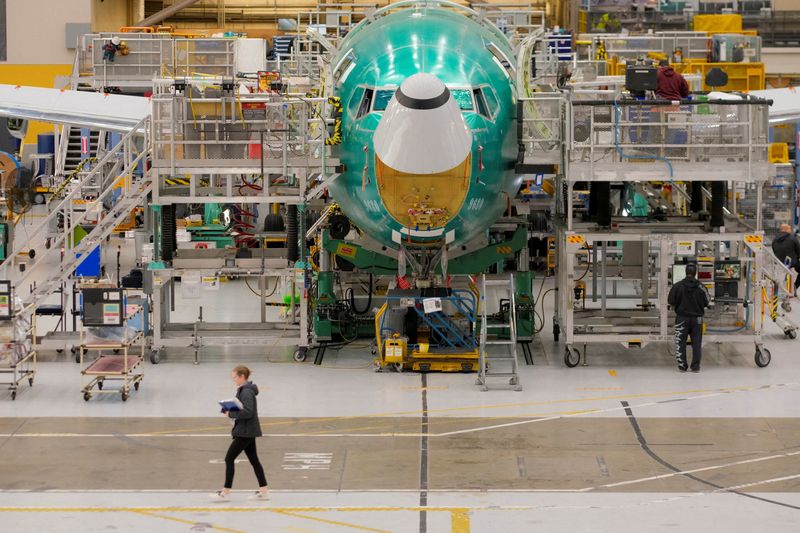
Boeing faces a high-stakes white-collar union revolt as its largest professional workforce rejected a four-year contract offer and voted overwhelmingly to authorize a potential strike. According to Aol, the rejection spans 17,000 members of the Society of Professional Engineering Employees in Aerospace (SPEEA), setting up a tense showdown just ahead of a fall deadline.
The ballot reversal caught observers off guard because SPEEA's own negotiating team had unanimously endorsed the proposed agreements before presenting them to the membership, as reported by Komonews. Members of SPEEA's Professional Unit, representing nearly 13,000 engineers and scientists, voted 64% against the tentative deal, while the Technical Unit, representing over 4,000 analysts, designers, and technicians, rejected their pact by nearly 72%. Simultaneously, strike authorization measures cleared with nearly 90% support across both units, reflecting deep-seated frustration that eclipsed leadership recommendations.
Related YouTube video



At the center of the economic dispute lies a stark contrast between corporate financial figures and workers' lived experiences in the Pacific Northwest. Boeing management promoted the package as the largest wage-pool increase in 40 years, featuring aggregate wage pool increases of 29.4% over four years alongside three extra days of paid leave annually, lower limits on mandatory overtime, and enhanced remote-work opportunities. However, union members balked at provisions tying wage growth to inflation capped at 3%. With the Consumer Price Index for the Seattle area having risen 4.5% over the past year, workers argued that the cap guarantees real wage losses.
The grievances extend far beyond immediate base pay. SPEEA negotiators emphasized that the revolt stems from decades of erosion in quality and safety priorities, delayed aircraft programs, and a pervasive institutional mistrust built brick-by-brick over successive contracts following Boeing's merger with McDonnell Douglas. While union leaders acknowledged that current executive leadership appears sincere and solution-focused, members made it clear that historical salary stagnation relative to both inflation and market rates remains unaddressed.
The financial fallout rippled immediately through public markets. According to Ad Hoc News, Boeing shares closed at $214.20 on Thursday, August 21, 2026, marking a 7.5% weekly decline and erasing $17.47 per share amid mounting labor uncertainty. The sell-off compounds fundamental pressures for the planemaker, which posted a quarterly earnings per share loss of $0.76 despite an 8% year-over-year revenue increase to $24.56 billion. Equity analysts note that while consensus price targets average $274.85, the current share price trades at a modest 1.7% premium over an estimated intrinsic fair value of $210.52, underscoring how heavily investors are discounting near-term operational friction.
Boeing moved swiftly in response to the vote outcome. In a statement reported by Aol, Ben Nimmergut, Boeing vice president and functional chief engineer for production engineering, announced that the company is implementing its strike contingency plan and diverting the capital originally earmarked for SPEEA-represented workers toward strike preparations. Myeverettnews noted that this retaliation includes stripping away previously negotiated retroactive pay and higher incentive targets for 2026. Management confirmed that no further talks are scheduled.
The operational stakes extend directly to Boeing's commercial recovery. A work stoppage by technical staff threatens to further disrupt certification campaigns for the delayed 737 Max 10 and 777-9 aircraft programmes, both of which are already several years behind schedule, according to Cryptobriefing. Coming on the heels of a crippling seven-week strike by 33,000 machinists in the International Association of Machinists and Aerospace Workers, any white-collar labor disruption risks tilting competitive delivery metrics further toward rivals who have already outpaced Boeing's output in 2026.
Union officials plan to survey members immediately to determine the precise concessions required to bridge the gap before the current agreements lapse. With management freezing negotiations and contingency funds activated, the labor standoff hinges on whether a compromise can be forged before the current contracts expire on October 6, setting up the earliest possible strike date of October 7.
Market Pressures and Competitive Stakes
The rejection of the collective bargaining agreements carries substantial weight for Boeing's broader financial and operational standing. According to Ad Hoc News, the planemaker's shares closed at $214.20 on Thursday, August 21, 2026, dropping 7.5% over the week and erasing $17.47 per share. This market reaction unfolds against a complex financial backdrop, with Boeing posting a quarterly earnings per share loss of $0.76 despite an 8% year-over-year revenue increase to $24.56 billion. Equity analysts cited by Ad Hoc News note that while consensus price targets average $274.85, the current share price trades at a modest 1.7% premium over an estimated intrinsic fair value of $210.52. This valuation highlights how heavily investors are discounting near-term operational friction.
| Metric | Figure |
|---|---|
| Stock Closing Price (August 21, 2026) | $214.20 USD |
| Weekly Share Price Decline | 7.5% (-$17.47) |
| Estimated Intrinsic Fair Value | $210.52 |
| Consensus Analyst Target Price | $274.85 |
| Quarterly Revenue | $24.56 billion (up 8% year-over-year) |
| Quarterly Earnings Per Share (EPS) | -$0.76 |
Beyond internal financial pressures, the labor dispute threatens to widen the gap between Boeing and its key competitors in the commercial aviation sector. Sector data reported by Ad Hoc News indicates that by the end of July 2026, a chief European rival had delivered 418 aircraft compared to Boeing's 367 deliveries over the same period. With production stability already strained following a seven-week strike by 33,000 members of the International Association of Machinists and Aerospace Workers in 2024, any additional disruption by the 17,000 members of the Society of Professional Engineering Employees in Aerospace (SPEEA) risks shifting comparative delivery metrics further toward competing manufacturers. In response to the stalled talks, Myeverettnews noted that management has already revoked retroactive pay and higher incentive targets earmarked for 2026.
Union officials plan to survey members immediately to determine the specific concessions necessary to bridge the divide, establishing the next step before formal bargaining can resume ahead of the October 6 contract expiration.
How significant is this development?
Contribute your assessment to the aggregated reader intelligence ledger.
Archypedia is dedicated to independent, evidence-backed reporting. This briefing was synthesized from primary source reporting, corroborated across independent newsrooms, and verified against our Editorial Standards.
Transparency record
Evidence behind this report
This report synthesizes 5 distinct sources. Open the source ledger below to compare the underlying coverage.
Prepared under the Archypedia Editorial Policy by the Elena Voss editorial desk profile. AI-assisted tools may support drafting and verification; public accountability remains with Archypedia. Report an error.