Where to Buy Rice Dumplings in Singapore for Dragon Boat Festival 2026 – CNA Luxury
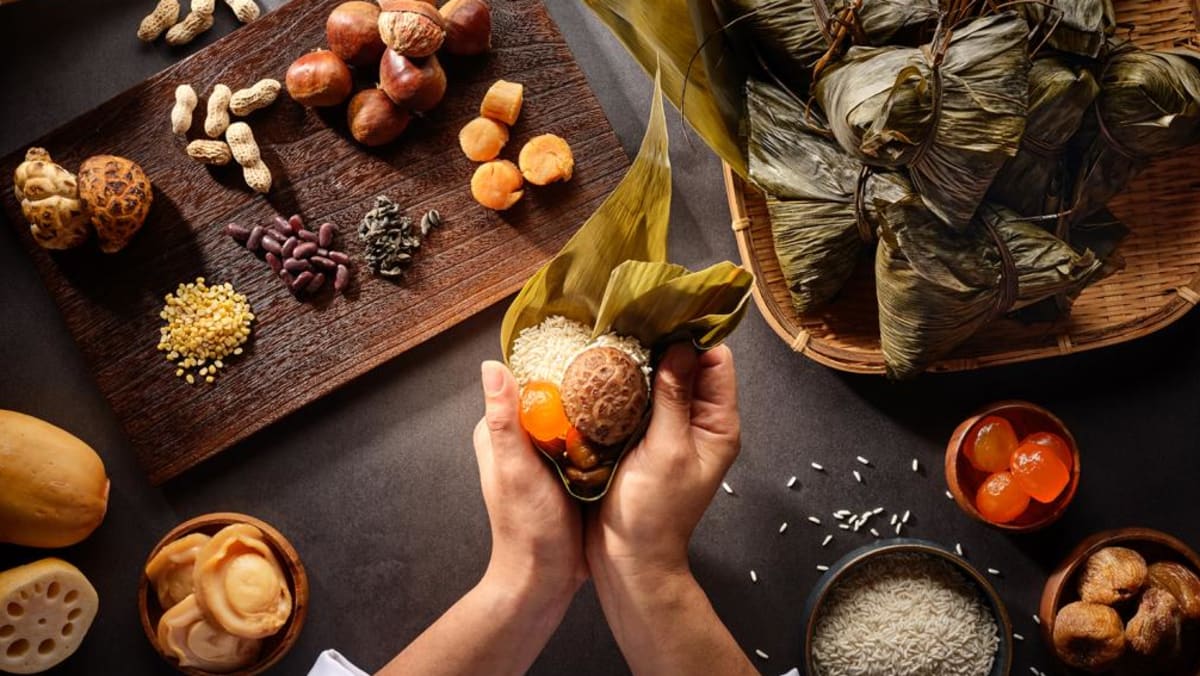
As the Dragon Boat Festival approaches in 2026, the search for the perfect zongzi—the traditional sticky rice dumpling—becomes a seasonal ritual for thousands across Singapore. From the nostalgic, salt-cured flavors of traditional heartland stalls to the avant-garde, truffle-infused creations found in the city’s most opulent dining rooms, the landscape of rice dumplings in Singapore reflects the city-state’s broader culinary evolution: a seamless blend of heritage and high luxury.
For the discerning epicurean, finding the right rice dumpling is not merely about satisfying a craving; it is about sourcing a piece of edible art that honors the legend of Qu Yuan while meeting modern standards of gastronomic excellence. Whether you are seeking a gift for a corporate partner or a family feast, understanding where to navigate the diverse offerings in Singapore is essential for a successful celebration.
The Cultural Significance of Zongzi in Modern Singapore
The Dragon Boat Festival, or Duanwu Festival, is deeply rooted in Chinese tradition, commemorating the poet and minister Qu Yuan. The act of throwing rice dumplings into the river to prevent fish from consuming the poet’s body has evolved into a global celebration of community, competition, and, most importantly, culinary craft.
In Singapore, the zongzi (or bak chang in Hokkien) has transcended its role as a simple festive snack. It has become a benchmark for culinary skill. The complexity of a high-quality dumpling lies in the balance of textures—the chewiness of the glutinous rice, the tenderness of the meat, and the aromatic fragrance of the bamboo or reed leaves used for wrapping. In recent years, a “luxury pivot” has occurred, with high-end establishments reimagining this humble dish using premium ingredients like abalone, scallops, and Japanese Wagyu.
The evolution of the rice dumpling in Singapore mirrors the city’s own journey—starting from traditional roots and ascending to a global standard of luxury, and refinement.
Navigating the Tiers of Rice Dumplings: Luxury vs. Traditional
When deciding where to buy rice dumplings in Singapore for Dragon Boat Festival 2026, consumers generally divide their search into two distinct categories: the luxury gourmet experience and the traditional heritage experience. Both hold significant value, but they serve different purposes.
The Luxury Gourmet Experience
Luxury rice dumplings are typically found in five-star hotels and Michelin-starred Cantonese restaurants. These versions prioritize “premiumization,” replacing standard pork with high-value seafood or rare cuts of meat. The focus here is on the experience and the presentation, making them ideal for gifting.
- Ingredient Sophistication: Use of dried scallops from Japan, premium abalone, and organic glutinous rice.
- Craftsmanship: Often hand-wrapped by master chefs with precise weight and flavor ratios.
- Packaging: Sold in elegant boxes with gold-leaf accents or sustainable luxury materials.
The Traditional Heritage Experience
Traditional dumplings are the soul of the festival. Found in wet markets, old-school bakeries, and specialized family-run shops, these dumplings focus on “wok hei” (breath of the wok) and time-honored recipes passed down through generations. The appeal here is nostalgia and authenticity.
- Flavor Profiles: Stronger emphasis on salted egg yolk, cured pork belly, and mushrooms.
- Texture: Often a more rustic, hearty feel with a focus on the interplay between the rice and the marinade.
- Accessibility: Sold in bulk, often wrapped in simple twine, and enjoyed as a daily staple during the festive period.
| Feature | Luxury Gourmet Zongzi | Traditional Heritage Zongzi |
|---|---|---|
| Primary Ingredients | Abalone, Truffle, Wagyu, Scallops | Pork Belly, Salted Egg, Mushroom |
| Price Point | Premium / High-End | Affordable / Mid-Range |
| Best For | Corporate Gifting, Fine Dining | Family Gatherings, Nostalgia |
| Availability | Pre-order via Hotels/Fine Dining | Wet Markets, Heritage Bakeries |
Where to Source the Best Rice Dumplings in Singapore
To ensure you secure the highest quality dumplings for 2026, it is important to know the specific venues that consistently deliver excellence. While specific seasonal menus are released closer to the date, these categories of vendors remain the gold standard.
Five-Star Hotel Chinese Restaurants
For those following the “CNA Luxury” ethos of refinement, the luxury hotels in the Orchard Road and Marina Bay districts are the primary destinations. These establishments often launch limited-edition “Zongzi Collections.” Expect to find variations that incorporate gold leaf or rare fungi. These are often the first to sell out, requiring pre-orders weeks in advance.
Michelin-Starred Cantonese Houses
Cantonese cuisine is the pinnacle of dumpling artistry. Michelin-starred venues focus on the clarity of flavor. Instead of overwhelming the palate with salt, they use a delicate balance of soy and ginger to enhance the natural sweetness of the glutinous rice. These venues are recommended for those who appreciate subtle, sophisticated flavor profiles.
Heritage Bakeries and Wet Market Artisans
For an authentic taste of old Singapore, explore the wet markets in Tiong Bahru, Toa Payoh, or Chinatown. Many of these vendors have been wrapping dumplings for over four decades. The “secret” often lies in the specific type of leaf used or a proprietary blend of five-spice powder. These are the places to go if you want a dumpling that tastes like a childhood memory.
Modern Fusion Cafes and Artisan Startups
A growing trend in Singapore is the “artisan zongzi.” These are often produced by home-based businesses or boutique cafes that experiment with non-traditional fillings, such as matcha-infused rice or savory cheese and corn. These are particularly popular among younger generations looking for a contemporary twist on the festival.
Analyzing the Flavor Profiles: Which One to Choose?
Choosing the right dumpling requires an understanding of the different styles available. Depending on your preference for savory or sweet, your choice of vendor will change.
The Savory Classics (Meat-Based)
The most common variety is the savory pork dumpling. In luxury versions, the pork is often replaced or supplemented with Iberico pork or Kurobuta pork for a richer, more marbled texture. The addition of a whole salted egg yolk provides a creamy, salty contrast to the sticky rice. For a truly premium experience, look for dumplings that include dried scallops (conpoy) and shiitake mushrooms, which add a deep, umami layer.
The Sweet Delights (Dessert Zongzi)
Sweet rice dumplings are a staple in Southern Chinese tradition. These typically feature red bean paste, jujubes (red dates), or lotus seed paste. Luxury versions may incorporate organic honey or rare dates from the Middle East. These are best enjoyed as a dessert or a mid-afternoon snack paired with Chinese tea.
The Health-Conscious Alternatives
With the rise of wellness trends in 2026, many Singaporean vendors are offering “light” versions of the zongzi. This includes the use of brown glutinous rice, reduced sodium marinades, and plant-based meat alternatives. While these lack the indulgence of the traditional version, they provide an inclusive option for those with dietary restrictions.
Expert Tips for Selecting and Preparing Rice Dumplings
Buying the dumpling is only half the battle; ensuring it is served at its peak quality is where the true expertise lies. As a senior editor covering the luxury lifestyle beat, I recommend the following guidelines for the ultimate zongzi experience.
How to Spot a High-Quality Zongzi
- The Wrap: The leaf should be tightly bound. A loose wrap allows water to seep in during steaming, resulting in mushy rice.
- The Aroma: Upon opening, there should be a clear, fresh scent of bamboo or reed. Any metallic or overly chemical smell is a red flag.
- The Rice: The grains should be distinct and translucent, not a singular, gluey mass.
The Art of Reheating
Many luxury dumplings are sold chilled or frozen. To maintain the integrity of the ingredients, avoid the microwave, which can dry out the rice and make the meat rubbery. Instead, use one of these two methods:
- Steaming (Recommended): Steam for 15–20 minutes. This rehydrates the rice and allows the fats from the meat to melt back into the grains, ensuring a moist texture.
- Boiling: For traditional, heartier dumplings, simmering them in water for 2–3 hours can deepen the flavor, though this is less common for luxury seafood versions.
For more on the intersection of food and culture, you may find a related explainer on Singapore’s culinary heritage useful.
Common Misconceptions About Rice Dumplings
There are several myths surrounding zongzi that often lead consumers to make the wrong purchasing decisions.
Myth 1: “The more fillings, the better the quality.”
In reality, overstuffing a dumpling can lead to uneven cooking. The best luxury dumplings maintain a precise ratio of rice to filling, ensuring that every bite is balanced rather than being a clump of meat surrounded by plain rice.
Myth 2: “All bamboo leaves are the same.”
Different leaves impart different flavors. Some provide a tea-like astringency, while others are more neutral. High-end chefs often source specific leaves from particular regions in China to complement the specific filling of the dumpling.
Myth 3: “Fresh is always better than frozen.”
While fresh is ideal, many luxury hotels use flash-freezing technology to lock in the flavors of their premium ingredients. A professionally frozen luxury zongzi often tastes better than a mediocre “fresh” one from an unregulated source.
The 2026 Outlook: Trends in Singapore’s Zongzi Market
As we look toward the Dragon Boat Festival of 2026, several key trends are shaping the market. Consumers are increasingly moving away from mass-produced options in favor of “story-driven” food. They want to know the origin of the rice, the heritage of the recipe, and the sustainability of the packaging.
We are seeing a rise in collaborative dumplings, where luxury hotels partner with renowned local chefs to create “limited drop” flavors. This “hype-culture” approach to traditional food is turning the search for rice dumplings into a competitive event, similar to the hunt for limited-edition sneakers or luxury handbags.
the integration of digital pre-ordering systems has streamlined the process. The most sought-after vendors now operate on a “drop” system, where orders open at a specific time and sell out within minutes, emphasizing the exclusivity of the luxury zongzi experience.
Frequently Asked Questions
How far in advance should I order luxury rice dumplings in Singapore?
For top-tier hotels and Michelin-starred restaurants, it is advisable to pre-order at least two to four weeks before the Dragon Boat Festival. The most exclusive sets often sell out shortly after the menus are announced.
.JPG "Buy Rice Dumplings Michelin")
What is the difference between Zongzi and Bak Chang?
Essentially, they are the same dish. “Zongzi” is the Mandarin term, while “Bak Chang” is the Hokkien term. In Singapore, both are used interchangeably, though “Bak Chang” is more common in traditional heartland settings.
Are there vegan or vegetarian rice dumplings available in Singapore?
Yes. Many modern cafes and some traditional vendors now offer vegetarian options using mushrooms, tofu, and chestnuts to replicate the savory depth of meat dumplings.
How should I store leftover rice dumplings?
Store them in an airtight container in the refrigerator for up to three days. For longer storage, they can be frozen for up to a month, provided they are wrapped tightly to prevent freezer burn.
Which type of rice dumpling is best for corporate gifting?
A mixed platter from a reputable luxury hotel is the best choice. These typically include a variety of savory (abalone/scallop) and sweet (date/red bean) options, presented in high-end packaging that reflects professional prestige.
For those interested in further exploring the luxury landscape of the city, a guide to Singapore’s high-end dining scene provides additional context on where to find the most exclusive culinary experiences.
