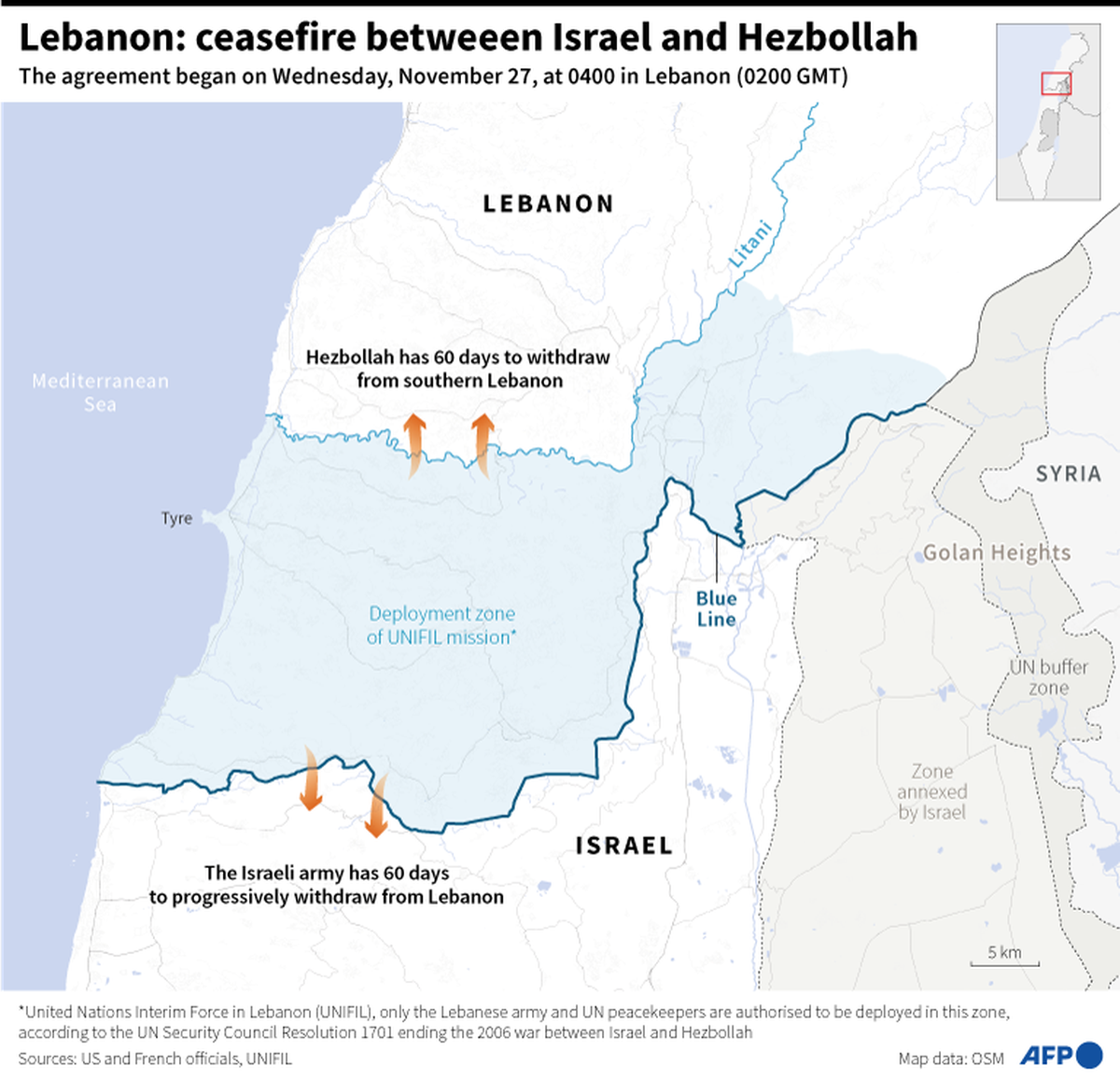
A fragile ceasefire agreement between Israel and Lebanon has emerged, signaling a potential pause in hostilities that international observers hope will stabilize a volatile region. While the U.S. Has indicated that both parties have agreed to observe the truce, the stability of the arrangement remains contingent on the actions of Hezbollah.
Fast Facts
- Primary Agreement: A ceasefire between Israel and Lebanon.
- Critical Condition: The truce depends on Hezbollah ceasing its fire.
- Diplomatic Friction: Reported instability in negotiations and tension between Donald Trump and Benjamin Netanyahu.
- International Action: France has requested an emergency session of the UN Security Council.
- Regional Goal: De-escalation of the broader conflict involving Iran.
Conditions for a Lasting Peace
The agreement, supported by U.S. Diplomatic efforts, seeks to end the immediate cycle of violence between the two nations. However, official reports emphasize that the ceasefire is not unconditional. For the truce to hold, Hezbollah—the Lebanese militant group and political party—must completely halt its military operations. The success of this requirement is seen as the primary hurdle in transitioning from a temporary pause to a sustainable peace.
Diplomatic Volatility and Internal Friction
Despite the announcement, the path to the agreement has been marked by inconsistency. Observers described the diplomatic process as sending
“strange signals,”
noting that negotiations have repeatedly stalled and restarted in a disjointed fashion.
This instability is mirrored in the strained relations between key political figures. Reports indicate a sharp clash between Donald Trump and Israeli Prime Minister Benjamin Netanyahu, during which Trump reportedly expressed anger and characterized Netanyahu as
“crazy.”
International Response and Global Implications
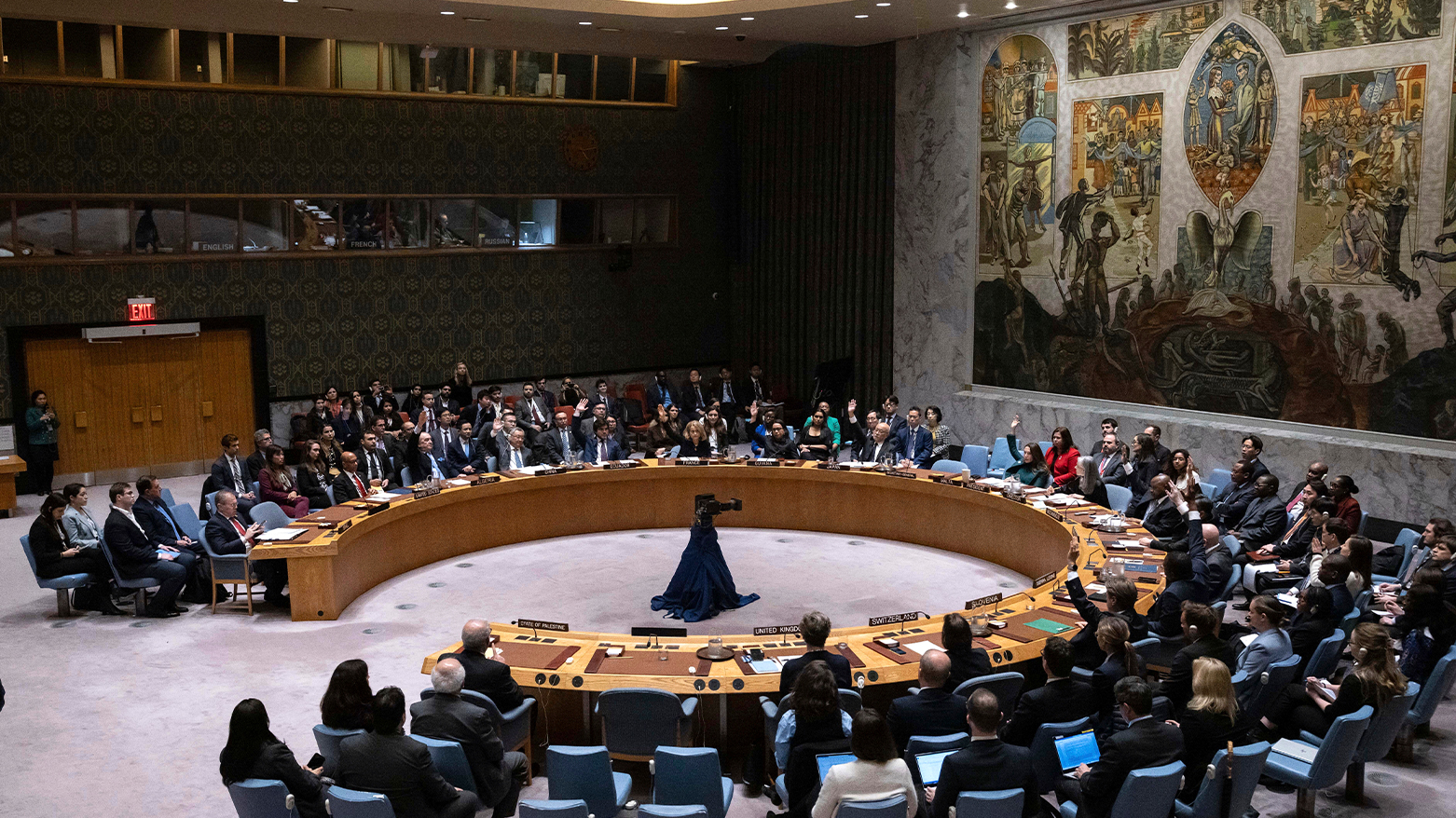
The international community is moving quickly to provide a framework for the ceasefire. France has formally requested an emergency meeting of the UN Security Council to address the situation and ensure that the ceasefire is monitored and maintained.
Beyond the immediate border between Israel and Lebanon, the agreement is viewed as a critical first step toward a larger geopolitical goal: ending the ongoing conflict involving Iran. Diplomats hope that a successful cessation of hostilities in Lebanon will reduce the risk of a wider regional war and lower tensions between Tehran and Western-aligned powers.
