
The Price of Paradise: Unpacking Agoda’s Push into Asia’s Untouched Corners – BriefGlance
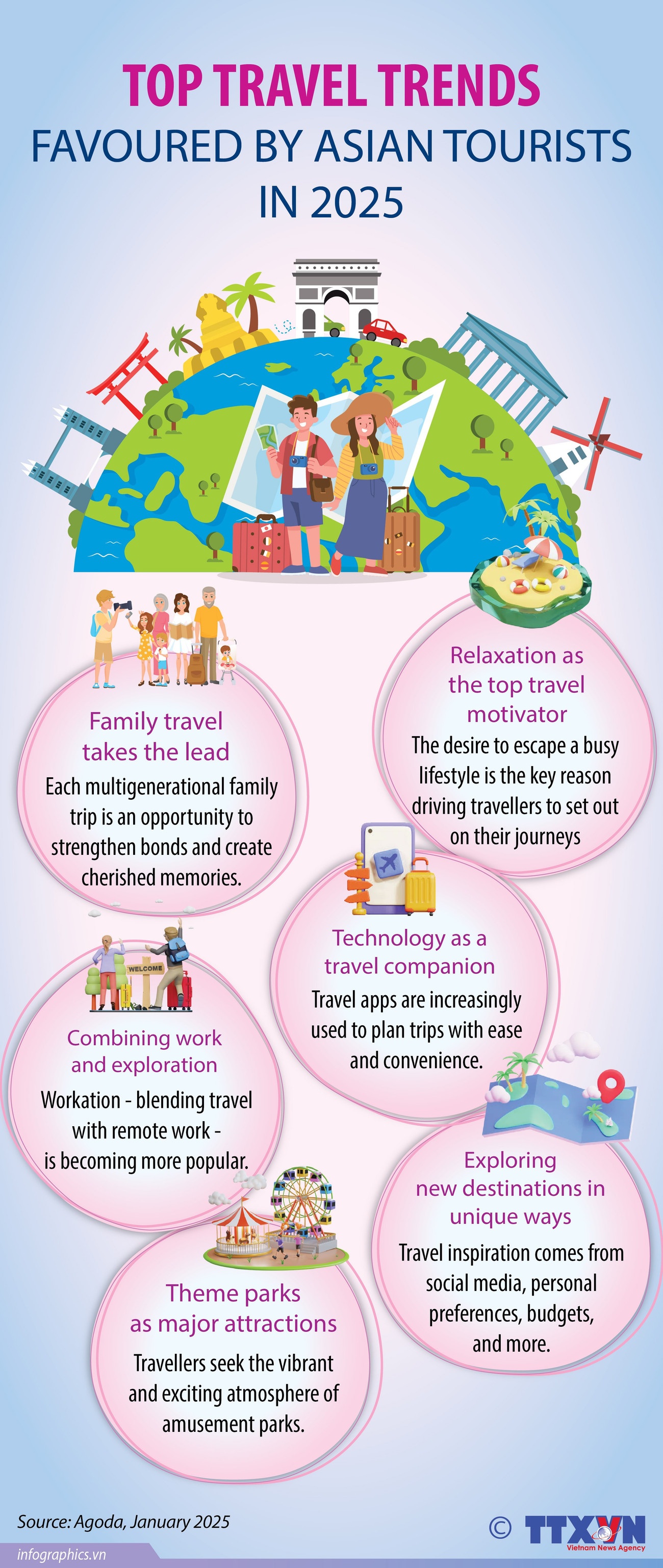
On June 5, 2026, the digital travel landscape shifted its focus toward the intersection of mental health and exploration. Agoda, a leading digital travel platform, has officially signaled a strategic pivot toward “nature therapy” and wellness, identifying a surging demand for destinations that offer more than just sightseeing. This move, detailed in a recent announcement from Singapore, highlights a growing trend among travelers to abandon traditional tourist hubs in favor of serene, rejuvenating landscapes across Asia.
The push into “untouched corners” is not merely a marketing shift but a response to a broader societal desire to escape the persistent hustle and bustle of modern daily life. By promoting destinations that nurture both physical and mental well-being, Agoda is positioning itself at the forefront of a movement where the primary goal of travel is no longer consumption, but reconnection—with nature and the self. However, as these hidden gems are brought into the spotlight, the industry faces a critical question: how to balance the economic benefits of increased tourism with the preservation of the very tranquility that makes these sites attractive.
The Rise of Nature Therapy in 2026
The core of Agoda’s recent strategy lies in the concept of nature therapy. In 2026, the allure of the outdoors has evolved from a leisure activity into a perceived necessity for health. Travelers are increasingly seeking environments that provide a “calming embrace,” whether through the stillness of a forest, the isolation of a mountain retreat, or the rhythmic peace of a pristine beach.
This shift reflects a deeper psychological trend. The modern traveler is no longer satisfied with high-traffic landmarks; instead, there is a documented desire for journeys that specifically target mental and physical rejuvenation. This “wellness travel” boom is characterized by a search for environments that offer a sensory detachment from urban stressors.
“In 2026, the allure of nature therapy and wellness is captivating travelers more than ever. As people increasingly seek to escape the hustle and bustle of daily life, digital travel platform Agoda notes a rising trend towards destinations that offer serene landscapes and rejuvenating experiences.”
To satisfy this intent, Agoda has identified specific regional hubs in Asia that embody these values. These destinations are not just geographic locations but are presented as therapeutic tools—spaces where biodiversity, cultural heritage, and natural beauty converge to facilitate a mental reset.
Mapping the New Frontiers: Agoda’s Key Destinations
Agoda has highlighted three distinct locations that represent the diverse facets of nature therapy: Indonesia, Japan, and Thailand. Each offers a different approach to rejuvenation, ranging from raw adventure to curated artistic tranquility.

Labuan Bajo, Indonesia: The Gateway to Biodiversity
Labuan Bajo is emerging as a primary destination for those seeking a blend of luxury and raw nature. Serving as the gateway to the UNESCO World Heritage site of Komodo National Park, the town is gaining traction for its unique environmental profile. The region is characterized by its iconic Komodo dragons and a landscape of lush surroundings and pristine beaches.
For the 2026 traveler, Labuan Bajo represents a duality of experience. It offers the “adventure” of exploring one of the world’s most unique ecosystems alongside the “relaxation” provided by a growing sector of luxury accommodations and local hospitality. This combination makes it a cornerstone of Agoda’s push into nature-centric travel.
Naoshima, Japan: The Intersection of Art and Serenity
While Indonesia offers raw nature, Naoshima provides a more curated form of tranquility. Often referred to as the “museum island,” Naoshima is being promoted for its seamless integration of contemporary art and natural beauty. Here, the “therapy” is found in the synergy between creativity and the environment.
Visitors to Naoshima explore art installations set against serene coastal landscapes. This destination appeals to a specific segment of the wellness market: those who find rejuvenation through aesthetic contemplation and cultural immersion. Naoshima’s commitment to art and culture transforms the act of sightseeing into a peaceful retreat for the mind.
Chiang Dao, Thailand: Mountainous Isolation
In Thailand, the focus shifts to the highlands of Chiang Dao. Known for its lush mountains and tranquil caves, Chiang Dao is positioned as the ideal escape for those seeking a more rugged, grounded form of wellness. The area is defined by its rich biodiversity and deep cultural heritage.
Chiang Dao caters to the “outdoor activity” aspect of nature therapy. Whether through hiking the mountains or exploring the quietude of its cave systems, the destination offers a therapeutic experience rooted in the physicality of the great outdoors. This proves a destination designed for those who believe that movement and nature are the keys to mental clarity.
Analyzing the Strategic Implications for Asia’s Tourism
The decision by a major platform like Agoda to steer global traffic toward “untouched corners” has significant economic and social implications. When a digital giant identifies a “hidden” gem, that location often experiences a rapid transition from a local secret to a global hotspot.
| Destination | Primary Wellness Driver | Key Feature | Traveler Intent |
|---|---|---|---|
| Labuan Bajo | Biodiversity & Luxury | Komodo National Park (UNESCO) | Adventure & Relaxation |
| Naoshima | Artistic Integration | Coastal Art Installations | Creativity & Tranquility |
| Chiang Dao | Mountainous Nature | Lush Mountains & Caves | Outdoor Activity & Connection |
Economic Development vs. Environmental Preservation
The “Price of Paradise” mentioned in the discourse refers to the inherent tension between tourism growth and ecological stability. For regions like Labuan Bajo and Chiang Dao, an influx of wellness seekers can bring vital investment in infrastructure and luxury hospitality. However, the very “serene landscapes” that Agoda is promoting are fragile.
The risk is a cycle of “over-discovery,” where the pursuit of tranquility leads to the overcrowding of the destination, thereby destroying the nature therapy benefits that attracted travelers in the first place. The challenge for local governments and platforms will be implementing sustainable tourism models that protect biodiversity while allowing for economic gain.
The Role of Digital Platforms in Shaping Desire
Agoda’s push demonstrates the power of digital platforms to curate human desire. By framing these locations as “nature retreats” and “therapeutic escapes,” Agoda is not just reporting a trend—it is actively shaping it. The use of keywords like “rejuvenating experiences” and “hidden nature retreats” signals to the consumer that the value of a trip is now measured by its impact on mental health rather than the number of landmarks visited.
Common Misconceptions About Wellness Travel
As the industry pivots toward nature therapy, several misconceptions have emerged that travelers and stakeholders should consider:
- Misconception: Wellness travel is only for the wealthy. While Agoda mentions luxury accommodations in Labuan Bajo, the core of nature therapy—connecting with biodiversity and serene landscapes—is accessible through various levels of hospitality, including local guest houses.
- Misconception: “Untouched” means inaccessible. In reality, the push by digital platforms is to make these areas *more* accessible. The “untouched” label often refers to the lack of mass-market commercialization rather than a lack of infrastructure.
- Misconception: Nature therapy is simply a vacation in the woods. As seen in the case of Naoshima, nature therapy can be a sophisticated blend of cultural, artistic, and environmental stimuli designed to evoke a specific mental state.
The Broader Context: Travel Trends in 2026
The Agoda announcement fits into a wider pattern of “slow travel” and “quiet travel” emerging in 2026. There is a noticeable departure from the “bucket list” mentality of the previous decade. Instead of trying to see as much as possible in the shortest amount of time, travelers are opting for deeper, more meaningful engagements with a single location.
This trend is driven by several factors:
- Digital Fatigue: The saturation of digital connectivity has led to a craving for “analog” experiences—caves in Thailand, coastal walks in Japan, and wildlife encounters in Indonesia.
- Holistic Health: The integration of travel into overall health regimens, where a trip is viewed as a “treatment” for burnout.
- Sustainable Interest: A growing awareness of the need to support local hospitality and preserve UNESCO sites, provided the tourism is managed responsibly.
For those interested in how these trends are affecting the broader industry, a related explainer on sustainable tourism trends may provide further insight into how destinations are fighting overtourism while embracing growth.
Frequently Asked Questions
What is “nature therapy” in the context of Agoda’s 2026 trends?
Nature therapy refers to the use of serene, natural environments—such as lush forests, pristine beaches, and mountain retreats—to nurture mental and physical well-being. It is a shift away from traditional tourism toward experiences that allow travelers to unwind and reconnect with the natural world to escape daily stress.
Which specific destinations is Agoda promoting for nature retreats?
Agoda has highlighted three primary locations: Labuan Bajo in Indonesia (gateway to Komodo National Park), Naoshima in Japan (known as the “museum island”), and Chiang Dao in Thailand (noted for its mountains and caves).
Why is Labuan Bajo considered a top destination for 2026?
Labuan Bajo is highlighted due to its proximity to the UNESCO World Heritage site of Komodo National Park. It offers a unique combination of biodiversity (including Komodo dragons), pristine beaches, and a blend of luxury accommodations and local hospitality.
How does Naoshima differ from other nature retreats?
Unlike purely wilderness-based retreats, Naoshima integrates contemporary art with natural coastal beauty. It focuses on rejuvenation through a blend of creativity, culture, and tranquility, making it a “museum island” experience.
What are the potential risks of promoting “untouched corners” of Asia?
The primary risk is the potential for overtourism. When “hidden” destinations are promoted on a global scale, the resulting increase in visitors can threaten the biodiversity and the serene atmosphere that made the location attractive in the first place.
As Agoda continues to expand its footprint into these serene landscapes, the success of this initiative will likely depend on the balance between accessibility and preservation. The transition toward wellness travel marks a significant evolution in the travel industry, where the “price of paradise” is measured not just in currency, but in the ecological and psychological cost of maintaining tranquility in an increasingly connected world.
