
Preventative measures could lower the risk of developing Alzheimer’s disease by as much as 40%, according to neurological expert Giuseppe Lauria Pinter. The findings underscore a shift toward proactive health management to mitigate the onset of cognitive decline.
- Alzheimer’s Prevention: Targeted preventative strategies may reduce risk by up to 40%.
- Parkinson’s and AI: Artificial intelligence is proving to be a valuable tool in the management and treatment of Parkinson’s disease.
- Neurotechnology Critique: High-profile commercial research into brain-computer interfaces, such as those led by Elon Musk, is viewed by some experts as lacking substantial scientific novelty.
The Role of Prevention in Alzheimer’s Risk
The potential for a 40% reduction in Alzheimer’s risk highlights the significance of early intervention and lifestyle modifications. While the disease is often viewed as an inevitable consequence of aging or genetics, the evidence suggests that a substantial portion of the risk is modifiable.
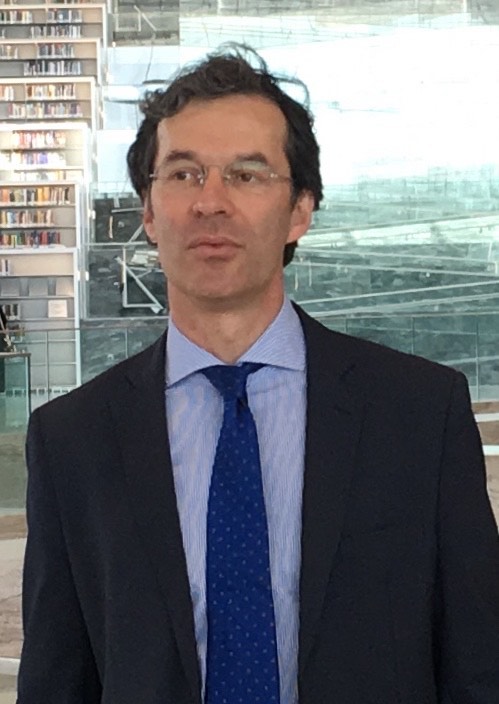
According to the expert, focusing on prevention is one of the most effective ways to address the growing burden of dementia on public health systems and individual quality of life.
AI Applications for Parkinson’s Patients
Beyond dementia, advancements in technology are altering the landscape of Parkinson’s disease care. Lauria Pinter noted that artificial intelligence is particularly useful for those living with the condition, offering new ways to monitor symptoms and optimize treatment protocols.
AI-driven tools can analyze movement patterns and physiological data with a precision that exceeds traditional clinical observation, allowing for more personalized therapeutic adjustments.
Evaluating Commercial Neuro-Research
The conversation regarding neurological health also extends to the emerging field of brain-computer interfaces. When addressing the high-profile research initiatives spearheaded by Elon Musk, Lauria Pinter offered a skeptical perspective on their current scientific contribution.
The research by Musk? Nothing special. Giuseppe Lauria Pinter
This critique suggests a divide between the commercial marketing of “revolutionary” neurotechnology and the actual clinical utility or scientific breakthrough these projects provide to the broader medical community.
