Cuba’s tourism and financial sectors are facing a severe contraction as escalating U.S. Sanctions trigger a mass exit of Spanish hotel chains and the withdrawal of global payment networks.
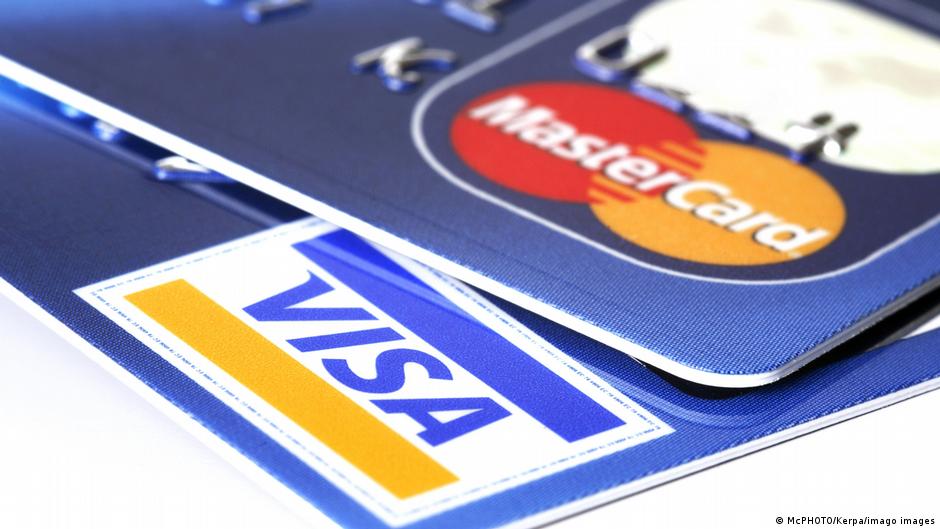
- Financial Impact: Visa and Mastercard have ceased operations across the island.
- Corporate Exit: Spanish hotel groups are abandoning approximately half of their properties in Cuba.
- Key Player: Meliá Hotels International is withdrawing from 15 hotels.
- Primary Risk: Partnerships with Gaesa, the Cuban military’s business arm, are creating unsustainable legal risks under U.S. Law.
Financial Isolation and Payment Gridlock
The collapse of international payment infrastructure has intensified Cuba’s economic isolation. Global payment giants Visa and Mastercard have stopped operating on the island, a move driven by the tightening grip of U.S. Sanctions. This withdrawal removes critical financial lifelines for both the Cuban state and the dwindling number of foreign businesses attempting to operate within the country.

The Spanish Retreat from Cuban Tourism
Spain’s hospitality sector, long a cornerstone of Cuban tourism, is rapidly downsizing its presence to avoid the reach of the U.S. Treasury. Several Spanish chains are currently in the process of abandoning roughly half of their hotel portfolios on the island. Among the most prominent exits is Meliá Hotels International, which is vacating 15 properties as the pressure from Washington intensifies.
Industry observers suggest that the current climate has left European firms with little room for diplomacy. According to public statements, the current U.S. Strategy to stifle the Cuban economy has reached a point where foreign companies can no longer mask their associations with the Cuban state to avoid penalties.
The Gaesa Liability
The catalyst for this exodus is not merely the sanctions themselves, but the specific structure of Cuban hotel management. Most foreign chains operate through joint ventures with Gaesa, the business conglomerate managed by the Cuban Revolutionary Army and closely linked to the Castro family.
For Spanish firms, the partnership with Gaesa has transformed from a strategic necessity into a primary liability. Because Gaesa is an arm of the military, it is a direct target of U.S. Sanctions. Companies continuing to partner with the entity risk being designated as supporters of the Cuban military, which could lead to devastating penalties or a total ban from the U.S. Financial system.
The plan to stifle Cuba is shaking Spanish companies on the island. it is no longer a matter of discretion.
As the U.S. Administration continues to apply maximum pressure, the remaining foreign entities in Cuba are faced with a binary choice: maintain their presence and risk U.S. Sanctions, or execute a strategic retreat from the Caribbean island.
