
New Study: Birth Control Pills May Increase Binge Eating – Michigan State University Research Highlights Risk
A study from Michigan State University indicates that oral contraceptive pills may increase the likelihood of binge eating in some women. The research suggests a link between the hormonal changes induced by birth control and altered eating behaviors, prompting a need for closer monitoring of appetite and mood during contraceptive use.
The findings, reported via News-Medical, point to a specific correlation where the use of oral contraceptives may trigger or exacerbate binge eating episodes. While birth control pills are widely prescribed for pregnancy prevention and hormone regulation, this research underscores a potential metabolic or psychological side effect that has historically been underreported or attributed to other factors.
How do birth control pills influence eating behaviors?
According to the Michigan State University study, the synthetic hormones present in oral contraceptives can interfere with the body’s natural appetite regulation. Binge eating is characterized by the consumption of large quantities of food in a short period, often accompanied by a feeling of loss of control. The researchers suggest that the exogenous hormones in the pill may alter the signaling pathways in the brain that govern satiety and hunger.
Hormonal contraceptives typically contain estrogen, progestin, or both. These chemicals mimic the hormones produced by the ovaries but do so in a steady state, removing the natural monthly fluctuation of a woman’s cycle. This stability can, in some individuals, disrupt the hypothalamus—the region of the brain responsible for energy homeostasis. When these signals are disrupted, the brain may not accurately register when the body is full, leading to the compulsive eating patterns identified in the study.
The study emphasizes that this effect does not occur in all women. The susceptibility appears to vary based on individual chemistry, pre-existing tendencies toward disordered eating, and the specific dosage of the hormones used in the medication.
What is the difference between increased appetite and binge eating?
It is critical to distinguish between a general increase in appetite—a common side effect of many medications—and the clinical manifestation of binge eating. According to medical standards, an increased appetite usually involves a steady rise in hunger throughout the day. Binge eating, however, involves a distinct psychological and physiological episode.
Key distinctions include:
- Frequency and Volume: Binge eating involves eating an amount of food that is significantly larger than what most people would eat in a similar period under similar circumstances.
- Loss of Control: A hallmark of binge eating is the feeling that one cannot stop eating or control what or how much is being consumed.
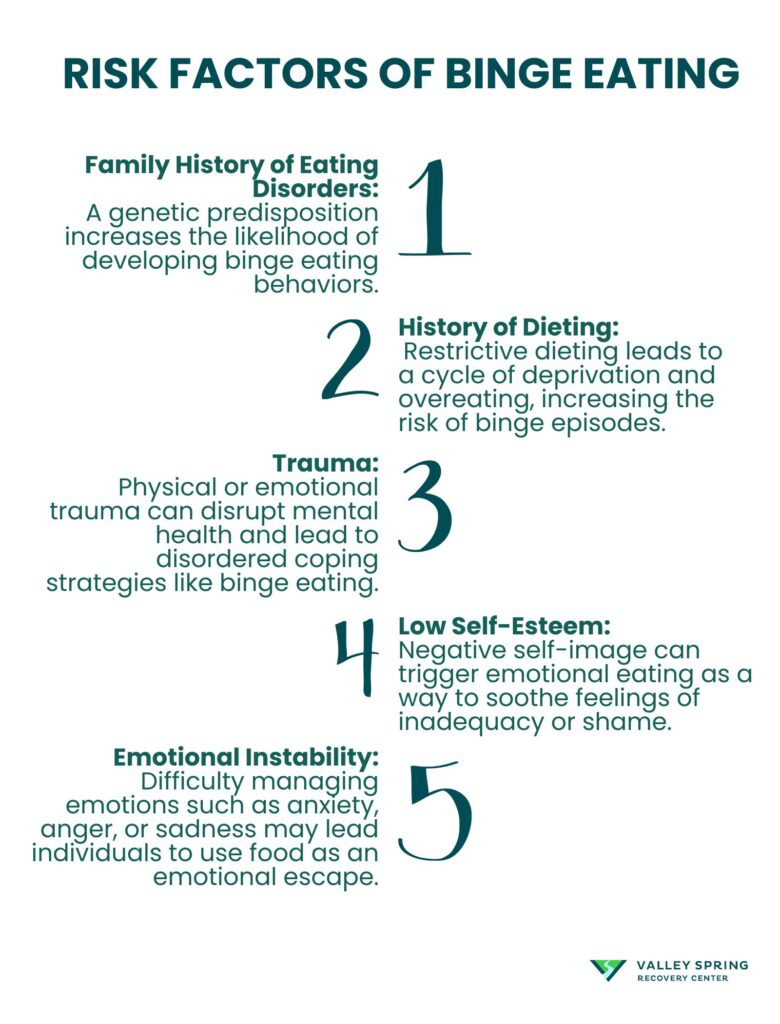
- Emotional State: Binge episodes are often triggered by stress or mood shifts, which the Michigan State University research suggests may be amplified by hormonal contraceptives.
- Post-Episode Guilt: Unlike simple overeating, binge eating is frequently followed by intense feelings of distress, shame, or guilt.
By identifying this link, the Michigan State University study alerts healthcare providers that weight gain reported by patients on the pill may not simply be a result of “increased hunger,” but could be a symptom of a more complex eating disorder triggered by the medication.
Which hormones in oral contraceptives are linked to these effects?
Most oral contraceptives fall into two categories: combined pills (estrogen and progestin) and progestin-only pills (the “mini-pill”). The research indicates that the interaction between these synthetic hormones and the endocrine system is where the risk lies.
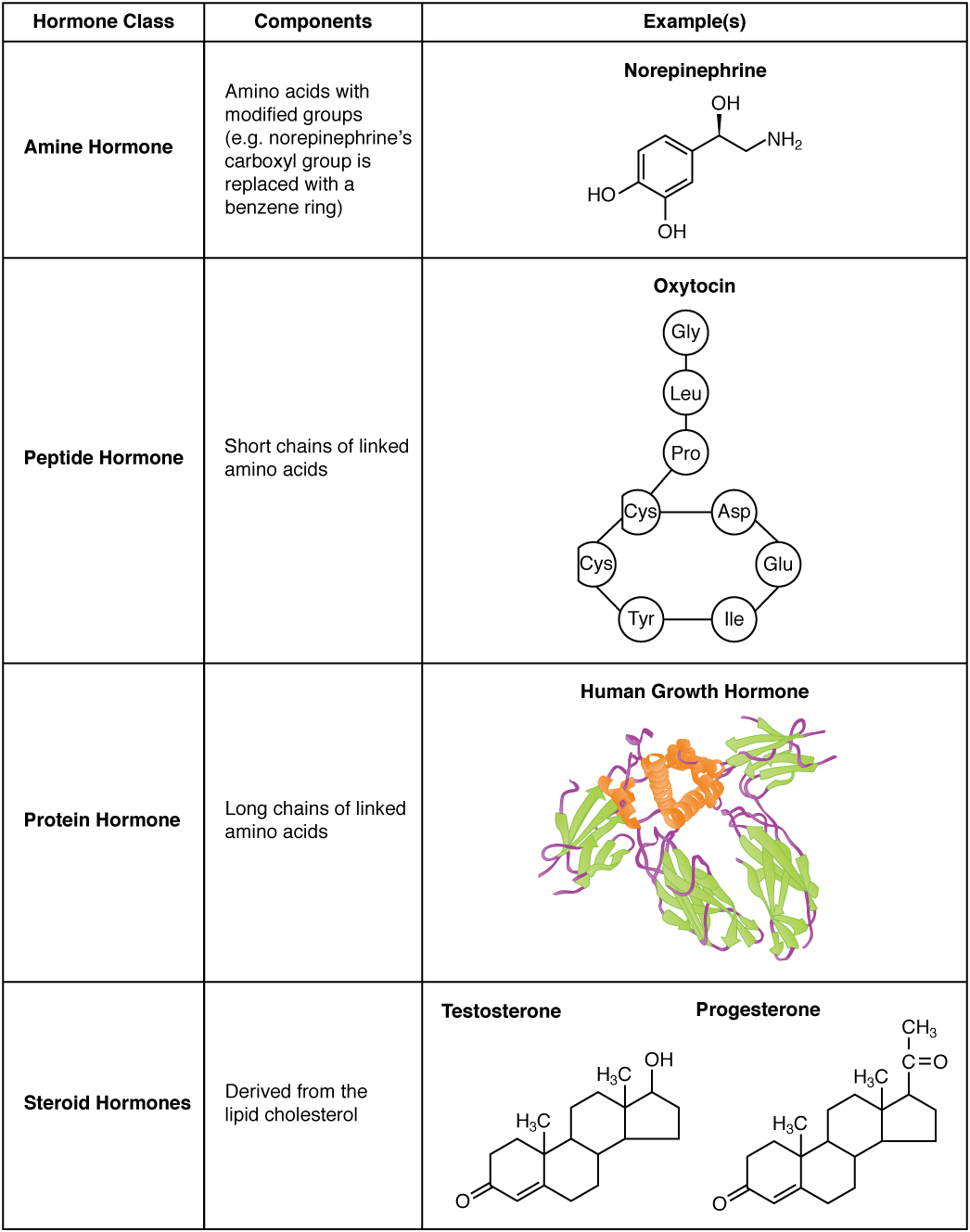
Progestins, in particular, are known to influence the brain’s reward system. According to pharmacological data, progestogens can modulate the expression of neuropeptide Y (NPY), a potent stimulator of appetite. When progestin levels are artificially maintained at a high or constant level, it may lead to an overstimulation of NPY, which signals the body to seek high-calorie foods and eat in larger quantities.
Estrogen also plays a role in regulating serotonin, a neurotransmitter that helps control mood and appetite. When the balance between estrogen and progestin is shifted by a contraceptive pill, serotonin levels can drop. Low serotonin is a well-documented precursor to carbohydrate cravings and binge-eating behaviors.
| Hormone Component | Primary Function in Pill | Potential Impact on Eating |
|---|---|---|
| Synthetic Estrogen | Prevents ovulation; stabilizes uterine lining. | Influences serotonin levels; may affect mood-driven eating. |
| Progestin | Thickens cervical mucus; inhibits ovulation. | May stimulate Neuropeptide Y (NPY), increasing hunger signals. |
| Combined Hormones | Comprehensive pregnancy prevention. | Synergistic effect on the hypothalamus and reward centers. |
Why does this research matter for women’s healthcare?
The implications of the Michigan State University study extend beyond simple side-effect lists. For decades, women have reported weight gain and “cravings” while on birth control, but these symptoms were often dismissed as anecdotal or attributed to lifestyle changes. By providing a scientific link to binge eating, this research validates the experiences of many patients and shifts the conversation toward metabolic health.
Furthermore, this finding has significant mental health implications. Binge eating disorder (BED) is a recognized psychological condition. If a medication is contributing to the onset of BED, the impact is not just physical weight gain, but a potential cycle of depression and anxiety. According to the study’s perspective, understanding this link allows doctors to screen patients more effectively before prescribing hormonal contraceptives.
Medical professionals are now encouraged to consider a patient’s history with food and mood before selecting a contraceptive method. For women with a history of eating disorders or those prone to mood swings, non-hormonal options—such as the copper IUD—may be a safer alternative to avoid the risk of triggering binge eating.
What are the broader consequences of hormonal influence on appetite?
The link between hormones and appetite is a complex web. When the Michigan State University study highlights the risk of binge eating, it opens a door to understanding how synthetic hormones affect the “set point” of the body’s weight regulation. The “set point” theory suggests that the body attempts to maintain a specific weight range through hormonal signals.
When birth control pills alter these signals, the body may perceive a need for more energy, even if the caloric intake is sufficient. This creates a physiological conflict: the mind knows it is full, but the hormonal signaling continues to demand food. This conflict is often where the “loss of control” associated with binge eating originates.
Long-term consequences of medication-induced binge eating can include:
- Metabolic Stress: Frequent binge episodes can lead to insulin resistance and an increased risk of Type 2 diabetes.
- Cardiovascular Strain: Rapid fluctuations in weight and high caloric intake can impact blood pressure and cholesterol levels.
- Psychological Distress: The cycle of bingeing and restriction can lead to a diminished quality of life and chronic low self-esteem.
“The connection between hormonal contraceptives and eating behaviors suggests that the side effects of birth control are not merely physical but can deeply impact the neurological and psychological regulation of appetite.”
Common misconceptions about birth control and weight gain
One of the most frequent misconceptions is that birth control pills “cause” weight gain directly by adding fat cells to the body. In reality, the Michigan State University study suggests the weight gain is often secondary—a result of the behavioral change (binge eating) rather than a direct metabolic change in how the body stores fat.
Another common myth is that all birth control pills have the same effect. Because there are dozens of different brands with varying levels of estrogen and different types of progestins (such as levonorgestrel vs. drospirenone), the impact on appetite varies. Some progestins are more likely to cause water retention, while others may more aggressively influence the appetite centers of the brain.
Finally, many believe that “willpower” can override these cravings. However, when the hypothalamus is being signaled by synthetic hormones to seek food, the urge becomes biological rather than psychological. This makes the “willpower” approach ineffective and often increases the shame associated with binge eating.
How should patients approach this information?
Patients currently using oral contraceptives should not stop their medication abruptly, as this can cause hormonal crashes and irregular bleeding. Instead, the recommended approach is a collaborative review with a healthcare provider.
Steps for those experiencing increased eating urges include:
- Tracking Patterns: Keep a food and mood journal to determine if eating episodes correlate with specific times in the pill cycle (e.g., the placebo week).
- Consulting a Provider: Discuss the Michigan State University findings with a doctor to determine if a different brand or a non-hormonal method is more appropriate.
- Nutritional Support: Working with a registered dietitian to manage cravings through blood-sugar stabilizing foods can mitigate some of the hormonal urges.
- Mental Health Screening: If binge eating is present, seeking a therapist specializing in eating disorders can help decouple the hormonal trigger from the behavioral response.
For more information on managing contraceptive side effects, readers may find a related explainer on non-hormonal birth control options helpful in evaluating alternatives.
The role of university research in evolving medical standards
Research from institutions like Michigan State University is vital because it challenges the “standard” side-effect profiles provided by pharmaceutical companies. Often, clinical trials for new medications focus on efficacy (does it prevent pregnancy?) and major safety risks (does it cause blood clots?), but they may overlook “quality of life” side effects like changes in eating behavior.
:max_bytes(150000):strip_icc()/VWH_Illustration_Signs-of-Binge-Eating-Disorder_Illustrator_Theresa-Chiechi_Final-aec6d4e1006a491b88715e5e6fa7da8e.jpg "The role of university research in evolving medical standards")
By focusing on the nuance of binge eating, MSU researchers are pushing the medical community toward a more holistic view of women’s health. This approach recognizes that the endocrine system is not isolated; it is inextricably linked to the brain’s reward centers and the gut’s hunger signals.
This study adds to a growing body of evidence regarding the “hormonal burden” of synthetic contraceptives. As more data emerges, the medical standard is moving toward “personalized contraception,” where the pill is chosen not just based on the patient’s medical history, but on their specific psychological and metabolic profile.
Frequently Asked Questions
Does every birth control pill cause binge eating?
No. According to the Michigan State University study, these effects occur in some women. Susceptibility depends on individual hormonal sensitivity, the specific type of progestin used in the pill, and the user’s pre-existing psychological relationship with food.
Can switching brands stop the binge eating?
It is possible. Different brands use different synthetic hormones. Some may have a lower impact on the hypothalamus or serotonin levels than others. A healthcare provider can help identify a formulation that is less likely to trigger appetite dysregulation.
Is the weight gain from the pill permanent?
Weight gain resulting from binge eating is not “permanent” in a biological sense, but it can be difficult to reverse without addressing the underlying hormonal trigger. Once the trigger (the pill) is removed or changed, the biological drive to binge typically subsides, making weight management more attainable.
What are the non-hormonal alternatives mentioned?
The copper IUD (ParaGard) is the primary non-hormonal option. It prevents pregnancy by creating an environment that is toxic to sperm, without releasing any hormones into the bloodstream, thereby avoiding the risk of appetite or mood disruption.
How can I tell if my cravings are from the pill or something else?
If the cravings began shortly after starting a new contraceptive or increased in intensity after a brand switch, there is a higher likelihood of a link. Tracking these symptoms alongside a food diary and discussing them with a doctor is the most reliable way to determine the cause.
For further guidance on endocrine health, users may explore a related explainer on the endocrine system and weight management.
