
People Are Revealing Their Easy And Practical Protein Tips, And I’m Adding Them To My Notes App – BuzzFeed: A Comprehensive Guide to Modern Protein Integration
In recent months, a digital trend has taken hold across social media and community forums: the democratization of nutrition. From viral threads to shared screenshots, People Are Revealing Their Easy And Practical Protein Tips, And I’m Adding Them To My Notes App – BuzzFeed has become a shorthand for a larger cultural shift toward “biohacking” daily meals for maximum efficiency. No longer is protein optimization reserved for elite athletes or bodybuilders; it has entered the mainstream consciousness as a tool for general wellness, satiety, and metabolic health.
The obsession with protein is not without reason. As we move further into a landscape of personalized nutrition, the role of amino acids—the building blocks of the human body—has been re-examined. However, the surge in “protein-everything” marketing and anecdotal “Notes App” advice often obscures the nuance of nutritional science. To truly optimize one’s diet, it is necessary to distinguish between viral trends and sustainable, health-focused strategies.
The Rise of Practical Protein: Why “Notes App” Tips are Trending
The current fascination with easy protein hacks stems from a common modern struggle: the gap between nutritional knowledge and daily execution. Most people understand that protein is essential for muscle maintenance and immune function, but few find it easy to hit their targets amidst a busy work schedule.
The “Notes App” phenomenon represents a shift toward peer-to-peer learning. Rather than following rigid, prescriptive meal plans, consumers are sharing “micro-wins”—small, sustainable changes that increase protein intake without requiring hours of meal prep. These tips often focus on “protein stacking,” the act of adding a protein source to a meal that is traditionally carbohydrate-heavy.
“The goal is no longer just about the ‘considerable meal’—like a steak dinner—but about consistent, distributed protein intake throughout the waking hours to maintain muscle protein synthesis and stable blood sugar.”
Commonly Shared Practical Strategies
- The “Plus-One” Method: Adding a high-protein element to every snack (e.g., pairing an apple with a handful of almonds or Greek yogurt).
- Liquid Integration: Utilizing high-quality shakes or collagen additions to morning coffee to bridge the gap during fasted states.
- Prep-Ahead Bases: Cooking large batches of versatile proteins—such as hard-boiled eggs, shredded chicken, or roasted chickpeas—to be added to salads and wraps instantly.
- Smart Swaps: Replacing traditional pasta with legume-based alternatives or using cottage cheese as a base for creamy sauces.
Identifying the Gaps: Signs You May Not Be Consuming Enough Protein
While the trend focuses on *increasing* intake, many individuals are unaware that they are currently operating at a deficit. Protein deficiency doesn’t always manifest as extreme muscle loss; it often appears as subtle, systemic declines in energy and physical resilience.
When the body lacks sufficient amino acids, it begins to prioritize essential organ functions over “non-essential” tissues. This leads to a cascade of visible and internal symptoms that serve as warning signs for those who may need to revisit their dietary habits.
Physical and Systemic Warning Signs
- Persistent Fatigue: Protein plays a critical role in hormone production and energy metabolism. A lack of it can lead to a general sense of lethargy and “brain fog.”
- Muscle Wasting and Weakness: When dietary protein is low, the body may break down muscle tissue to obtain the amino acids necessary for other vital processes.
- Brittle Hair, Skin, and Nails: Keratin, the primary protein in hair and nails, requires a steady supply of amino acids. Deficiency often manifests as thinning hair or frequent nail breakage.
- Increased Hunger and Cravings: Protein is the most satiating macronutrient. Those who under-consume protein often experience intense cravings for sugar and simple carbohydrates.
- Slow Recovery: A noticeable increase in the time it takes for muscles to recover after exercise or for small cuts and bruises to heal.
| Symptom | Biological Cause | Dietary Correction |
|---|---|---|
| Frequent Hunger | Low satiety hormones (Ghrelin/Leptin imbalance) | Increase protein at breakfast |
| Thinning Hair | Lack of keratin building blocks | Diverse amino acid sources |
| Muscle Loss | Negative nitrogen balance | Distributed protein intake |
| Slow Healing | Impaired collagen synthesis | Vitamin C + Lean Proteins |
The 2026 Nutrition Landscape: Functional Foods and Personalization
Looking toward the current trends of 2026, the conversation around protein has evolved from simple “macros” to “functional nutrition.” We are seeing a convergence of protein intake with other health priorities, such as gut health and the management of metabolic health via new pharmaceutical interventions.
The GLP-1 Connection
One of the most significant drivers of the current protein surge is the widespread use of GLP-1 receptor agonists for weight management. While these medications are highly effective for weight loss, they can lead to a significant reduction in appetite, which often results in the loss of lean muscle mass alongside fat.
This has created a critical medical necessity for “protein-first” eating. For individuals on these medications, protein is no longer just a preference—it is a protective measure to ensure that weight loss comes from adipose tissue rather than skeletal muscle.
The Synergy of Gut Health and Protein
There is also a growing realization that protein is only as useful as the body’s ability to absorb it. The “functional food” trend now emphasizes the pairing of proteins with prebiotic fibers and fermented foods. This ensures that the gut microbiome is healthy enough to efficiently break down polypeptides into absorbable amino acids, reducing bloating and digestive distress often associated with high-protein diets.
For more on the intersection of diet and longevity, see our related explainer on metabolic health and aging.
The Counter-Argument: Why Protein Isn’t a Universal Solution
Despite the enthusiasm seen in trends like People Are Revealing Their Easy And Practical Protein Tips, And I’m Adding Them To My Notes App – BuzzFeed, nutritionists warn against “protein tunnel vision.” The belief that increasing protein is the sole key to health is a dangerous oversimplification.
The Danger of Macronutrient Imbalance
Over-emphasizing protein at the expense of other macronutrients can lead to several complications:
- Micronutrient Deficiencies: A diet centered exclusively on lean meats or shakes may lack essential vitamins, minerals, and antioxidants found in colorful vegetables, and fruits.
- Digestive Strain: Excessive protein intake without adequate fiber can lead to constipation and an imbalance in the gut flora.
- Kidney Stress: While healthy kidneys can generally handle high protein loads, those with underlying renal issues may face increased strain when processing nitrogenous waste.
The “Protein Package” Concept
It is not just about the grams of protein, but the “package” it comes in. A gram of protein from a processed protein bar—laden with artificial sweeteners and seed oils—is biologically different from a gram of protein found in a piece of wild-caught salmon or a bowl of lentils. The latter comes with omega-3 fatty acids, minerals, and fiber, which modulate how the protein is utilized by the body.
The Essential Rules for Sustainable Protein Intake
To move beyond the viral tips and into a sustainable lifestyle, certain fundamental rules should guide protein consumption. These rules prioritize long-term health over short-term gains.
1. Prioritize Distribution Over Volume
The body cannot store amino acids in the same way it stores fat or carbohydrates. Consuming 150 grams of protein in a single evening meal is less effective than distributing that amount across three or four meals. Distributed intake keeps the body in an anabolic (muscle-building) state throughout the day.
2. Diversify Protein Sources
Depending on a single source of protein can lead to nutritional gaps. A balanced approach includes:
- Animal-Based: Eggs, lean meats, fish, and dairy for complete amino acid profiles.
- Plant-Based: Legumes, nuts, seeds, and ancient grains to provide fiber and phytonutrients.
- Hybrid Approaches: Mixing plant and animal proteins to optimize both nutrient density and environmental sustainability.
3. Align Intake with Activity Levels
Protein needs are not static. A sedentary office worker requires significantly less protein than an endurance athlete or someone recovering from surgery. The “one size fits all” approach found in many social media tips should be replaced with a personalized target based on body weight, age, and physical demand.
For a deeper dive into how activity levels change nutritional needs, check out our guide to exercise-specific nutrition.
Frequently Asked Questions About Protein Optimization
How do I know if I’m eating too much protein?
While rare in healthy individuals, signs of excessive protein intake can include persistent dehydration, unwanted breath odors (similar to ammonia), and digestive upset if fiber intake is not increased proportionally. If you have a history of kidney issues, it is essential to consult a healthcare provider before significantly increasing protein.
Can I get all my protein from supplements?
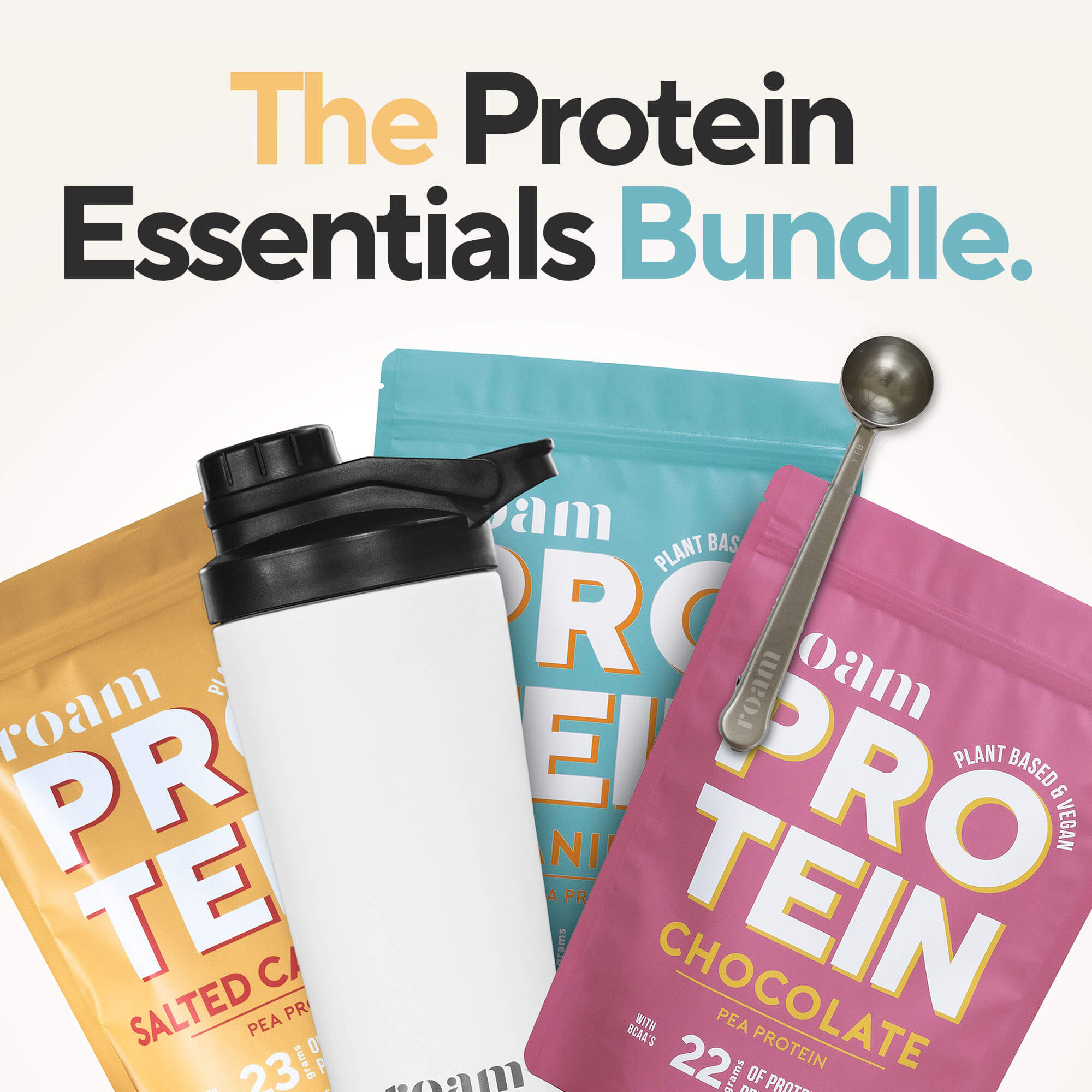
Supplements are designed to *supplement* a diet, not replace it. While whey or pea proteins are convenient, they lack the complex matrix of vitamins, minerals, and fats found in whole foods. Whole food sources generally offer better satiety and a broader range of nutrients.
Is it better to eat protein in the morning or before bed?
Both have benefits. Morning protein helps stabilize blood sugar and reduce cravings throughout the day. A slow-digesting protein (like casein found in cottage cheese) before bed can support muscle repair during sleep. The most essential factor is the total daily intake and its distribution.
Do plant-based proteins work as well as animal proteins?
Yes, provided they are varied. Some plant proteins are “incomplete,” meaning they lack one or more essential amino acids. However, by eating a variety of sources—such as beans and rice or soy and nuts—you can easily obtain all the necessary amino acids your body requires.
What are the best “easy” protein snacks for people on the go?
Focus on combinations that require zero prep: hard-boiled eggs, Greek yogurt, raw almonds, edamame, or high-protein cheese sticks. These provide a balance of protein and healthy fats to keep energy levels stable.
