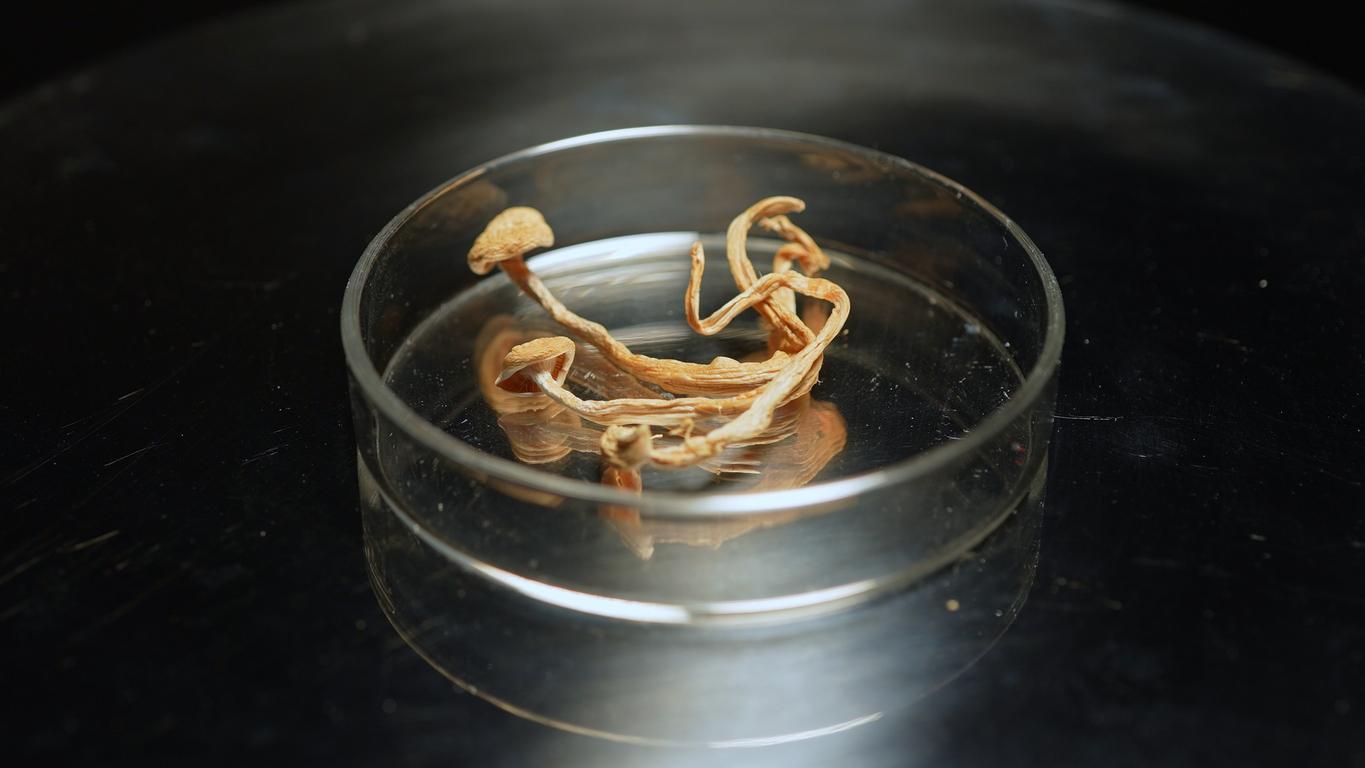
A 80-year-old woman with advanced Alzheimer’s disease who had been mute for five years experienced a temporary resurgence of memory and speech after taking psilocybin, according to a case study reported by Brazilian medical professionals. The findings, shared by multiple outlets including Foro3D and Science et vie, highlight the potential of psychedelics in neurodegenerative conditions, though researchers emphasize the need for further study.
What the Case Reveals
The woman, whose identity was not disclosed, had been diagnosed with Alzheimer’s and had lost the ability to speak for five years prior to the intervention. After receiving a controlled dose of psilocybin, she reportedly regained the capacity to communicate and recall recent events for several hours. Medical teams observed the effects during a clinical setting, though no long-term data on her condition was provided.
“This case suggests that psilocybin may interact with neural pathways affected by Alzheimer’s, potentially temporarily restoring function,” said a lead researcher involved in the study. “However, it is critical to note that this is a single case and does not indicate a cure or standardized treatment.”
Context and Scientific Mechanisms
Psilocybin, the psychoactive compound in hallucinogenic mushrooms, is known to affect serotonin receptors in the brain. Previous research has explored its potential for treating depression and anxiety, but its role in neurodegenerative diseases remains under investigation. Alzheimer’s, characterized by progressive memory loss and cognitive decline, currently has no curative therapies.
Experts caution that the mechanisms behind the woman’s temporary improvement are not fully understood. Some suggest the compound may temporarily alter brain connectivity or reduce neuroinflammation, but these hypotheses require rigorous testing in controlled trials.
Limitations and Unanswered Questions
The case study lacks details on the dosage, administration protocol, and follow-up observations beyond the initial effects. No comparison group was included, and the researchers did not specify whether the woman had previously participated in other experimental treatments. These gaps underscore the need for larger, randomized studies to determine safety and efficacy.
“While the results are intriguing, they should not be interpreted as evidence supporting psilocybin as a treatment for Alzheimer’s,” said a neurologist not involved in the case. “More research is necessary to understand both potential benefits and risks.”
What Comes Next?
The research team has not announced plans for additional studies, but the case has sparked discussions among neuroscientists about the broader implications of psychedelics in brain health. Some experts have called for controlled trials to explore whether psilocybin could be part of a multidisciplinary approach to managing neurodegenerative diseases.
Public health officials reiterated that patients should not self-medicate with psychedelics. “Treatments for Alzheimer’s must be evaluated through established scientific processes,” a spokesperson said. “This case is a starting point for further inquiry, not a recommendation for use.”
