
Jaguar Land Rover reverses plans for an EV-only factory – The Guardian
Jaguar Land Rover has abandoned its plans to build a dedicated electric-vehicle-only factory, according to reporting by The Guardian. The company is shifting toward a strategy of “propulsion flexibility,” which includes increasing the production of hybrid vehicles to target the North American market and mitigate declining sales in China, according to JLR Media Newsroom and Bloomberg.
Why did Jaguar Land Rover reverse its EV-only factory plans?
Jaguar Land Rover (JLR) changed its manufacturing trajectory to avoid the risks associated with a rigid, all-electric production line. According to JLR Media Newsroom, the company is now pursuing “greater propulsion flexibility.” This approach allows the automaker to adjust the mix of internal combustion engines (ICE), hybrids, and battery electric vehicles (BEVs) based on real-time consumer demand rather than committing to a single power source.
The decision reflects a broader industry trend where automakers are hedging their bets against a slower-than-expected adoption of full EVs. Bloomberg reports that JLR will specifically add more hybrid models to its lineup. This move allows the company to maintain revenue streams from traditional fuel-burning engines while transitioning toward electrification at a pace dictated by the market.
Key drivers for this reversal include:
- Market Volatility: A cooling of global EV demand has made dedicated EV plants a financial liability.
- Regional Demand Shifts: North American buyers continue to show a strong preference for hybrids and ICE vehicles.
- Infrastructure Gaps: Charging infrastructure lags in key growth markets, hindering pure EV sales.
How did investors react to the JLR FY27 outlook?
Financial markets responded sharply to the updated strategic direction and the fiscal outlook for 2027. According to data from TradingView, shares of Tata Motors Passenger Vehicles (PV) crashed nearly 10% in a single trading session. This drop made Tata Motors the top loser on the Nifty index for the day.
Investors reacted to the JLR FY27 outlook with concern, as the reversal of the EV-only factory plans signaled a departure from the aggressive electrification timeline previously communicated to shareholders. The stock volatility suggests that the market is weighing the long-term viability of JLR’s “flexibility” strategy against the potential loss of a first-mover advantage in the luxury EV space.
“Tata Motors PV stock crashes nearly 10%, top Nifty loser today as investors react to JLR FY27 outlook,” TradingView reported.
What is JLR’s new strategy for the North American market?
Jaguar Land Rover is refocusing its growth efforts on the United States to compensate for losses in other regions. According to Automotive News, JLR is prioritizing the U.S. market with a specific focus on the Defender model. A key part of this strategy involves utilizing a Stellantis-based platform for the Defender to streamline production and distribution in North America.
JLR Media Newsroom stated that the company has set a path to achieve “double digit revenue growth” through this increased focus on North America and the implementation of propulsion flexibility. By offering a wider array of engine choices—including the expanded hybrid range mentioned by Bloomberg—JLR aims to capture a larger share of the American luxury SUV market.
The North American pivot is characterized by three main pillars:
- Platform Sharing: Leveraging Stellantis-based architecture for the Defender to optimize costs.
- Diversified Powertrains: Offering hybrids to bridge the gap for consumers not yet ready for full BEVs.
- High-Margin Focus: Prioritizing luxury Defender and Range Rover trims that command higher price points in the U.S.
Why is JLR shifting focus away from China?
The strategic pivot toward the U.S. is a direct response to a deteriorating position in the Chinese market. Automotive News reports that JLR is shifting its focus as “China falls away.” The Chinese automotive landscape has become increasingly hostile for foreign luxury brands due to the rapid rise of domestic EV manufacturers like BYD and NIO.
Chinese consumers have transitioned to electric vehicles faster than almost any other global demographic, but they are increasingly choosing local brands over European imports. This shift has eroded JLR’s market share in what was previously one of its most profitable regions. By diversifying its revenue sources and doubling down on the U.S. and other Western markets, JLR is attempting to reduce its dependency on the volatile Chinese economy.
Comparing the old vs. new JLR production strategy
The transition from a dedicated EV plant to a flexible propulsion model represents a fundamental shift in how JLR views the future of the automotive industry. The following table outlines the core differences between the two approaches based on reports from The Guardian and JLR Media Newsroom.
| Strategic Element | Previous Plan (EV-Only) | Current Plan (Flexibility) |
|---|---|---|
| Factory Infrastructure | Dedicated BEV-only facilities | Multi-propulsion flexible lines |
| Powertrain Mix | Rapid transition to 100% Electric | Increased Hybrid and ICE integration |
| Primary Market Focus | Global EV leadership (incl. China) | North American expansion |
| Risk Profile | High risk/High reward (Tech lead) | Risk mitigation (Market alignment) |
The role of hybrids in JLR’s “Propulsion Flexibility”
Hybrids are now the centerpiece of JLR’s bridge strategy. Bloomberg reports that the company will add more hybrid options to its fleet. This is not merely a temporary measure but a core part of the “propulsion flexibility” mentioned in the JLR Media Newsroom release.
For a luxury brand, the transition to electric is complicated by the requirements of its core customer base. Range Rover and Defender owners often use their vehicles for long-distance towing and off-roading—activities that currently strain the limits of battery electric technology. By expanding hybrid offerings, JLR provides a “best-of-both-worlds” solution: reduced emissions for city driving and the reliability of internal combustion for rugged use.
This strategy allows JLR to:
- Maintain loyalty among traditional luxury SUV buyers.
- Meet tightening emissions regulations without alienating customers.
- Avoid the massive capital expenditure of a dedicated EV plant that might be underutilized.
Broader industry implications of the JLR reversal
The reversal of the EV-only factory plan is not an isolated event. It mirrors a wider trend across the global automotive sector. Several major manufacturers have recently walked back their “all-electric by 2030” pledges, citing a “plateau” in EV adoption.
When a high-end manufacturer like JLR—which targets the most affluent consumers—struggles to justify an EV-only plant, it suggests a systemic issue with EV infrastructure and consumer confidence. The shift toward “propulsion flexibility” is an admission that the transition to electric will be a gradual evolution rather than a sudden revolution.
The reliance on Stellantis for the Defender’s North American platform, as reported by Automotive News, also indicates a trend toward strategic partnerships to share the immense costs of platform development. By not building everything from scratch, JLR can allocate more resources toward the “double digit revenue growth” targets outlined in their media communications.
Potential risks of the flexible strategy
While flexibility reduces immediate financial risk, it introduces other challenges. Critics within the industry argue that by hedging with hybrids, JLR may fall behind in the race for software-defined vehicle (SDV) architecture, which is more naturally integrated into dedicated EV platforms.
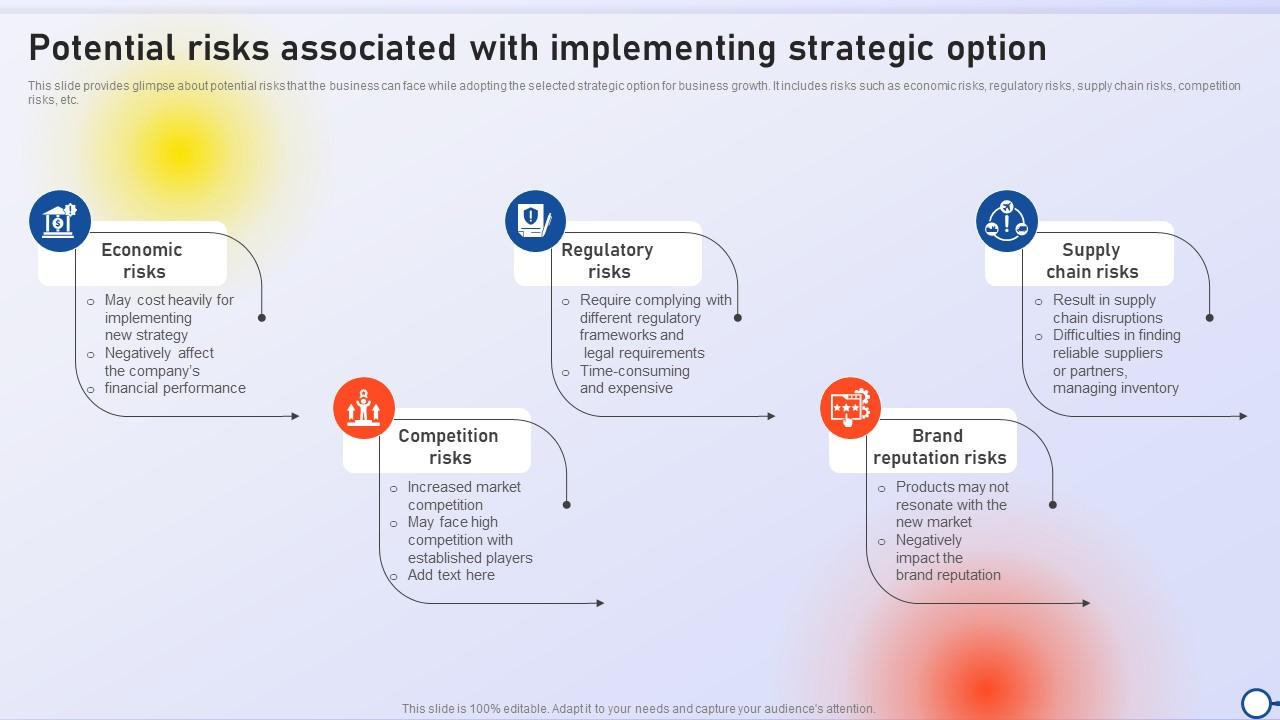
Furthermore, the 10% drop in Tata Motors’ stock price, as noted by TradingView, indicates that some investors view this flexibility as a lack of conviction or a failure of the original electrification vision. If competitors successfully navigate the EV transition while JLR remains tied to hybrid and ICE platforms, the company could find itself technologically obsolete in the 2030s.
The success of this pivot depends on three factors:
- Execution in the U.S.: Whether the Stellantis-based Defender can capture sufficient market share.
- Hybrid Appeal: Whether luxury buyers view hybrids as a premium choice or a compromise.
- China Stabilization: Whether JLR can stop the bleed in the Chinese market or if it will continue to “fall away.”
Frequently Asked Questions
Why did Jaguar Land Rover stop building an EV-only factory?
According to The Guardian and JLR Media Newsroom, the company is moving toward “propulsion flexibility.” This allows them to produce a mix of hybrids, EVs, and combustion engines to better match shifting consumer demand and avoid the risks of a dedicated electric plant.
How did the news affect Tata Motors?
TradingView reports that Tata Motors PV stock fell nearly 10% following the announcement, becoming the top loser on the Nifty index as investors reacted to the company’s FY27 outlook.
Where is Jaguar Land Rover focusing its sales growth?
JLR is shifting its focus toward North America. Automotive News reports that the company is prioritizing the U.S. market, specifically using a Stellantis-based platform for the Defender to drive revenue.
Is Jaguar Land Rover giving up on electric vehicles?
No, but the approach has changed. Instead of an “EV-only” factory, JLR is implementing a flexible strategy that includes more hybrids, as reported by Bloomberg, while still pursuing electrification at a more adaptable pace.
Why is JLR moving away from the Chinese market?
Automotive News indicates that JLR is refocusing because China is “falling away,” largely due to the intense competition from domestic Chinese EV brands that have captured the local luxury market.
As JLR navigates this transition, the company’s ability to balance the demands of the North American market with the technological requirements of the future will determine its long-term viability. The shift from a rigid EV mandate to a flexible propulsion model marks a significant turning point in the brand’s modernization effort, trading a theoretical lead in electrification for practical financial stability.
