
AI-powered blood tests can now identify four different types of dementia with 92.3% accuracy, according to recent research. This technology enables the detection of Alzheimer’s-associated changes as early as middle age, long before clinical symptoms emerge, offering a potential breakthrough for early diagnosis and intervention.
- AI Accuracy: New blood tests utilize artificial intelligence to distinguish between four forms of dementia with a 92.3% accuracy rate.
- Early Detection: Biological markers of Alzheimer’s are now detectable in middle age, preceding the onset of symptoms.
- Expanding Toolkit: Researchers are focusing on a broader range of early warning systems, including the study of GLP-1.
How accurate are the new AI blood tests for dementia?
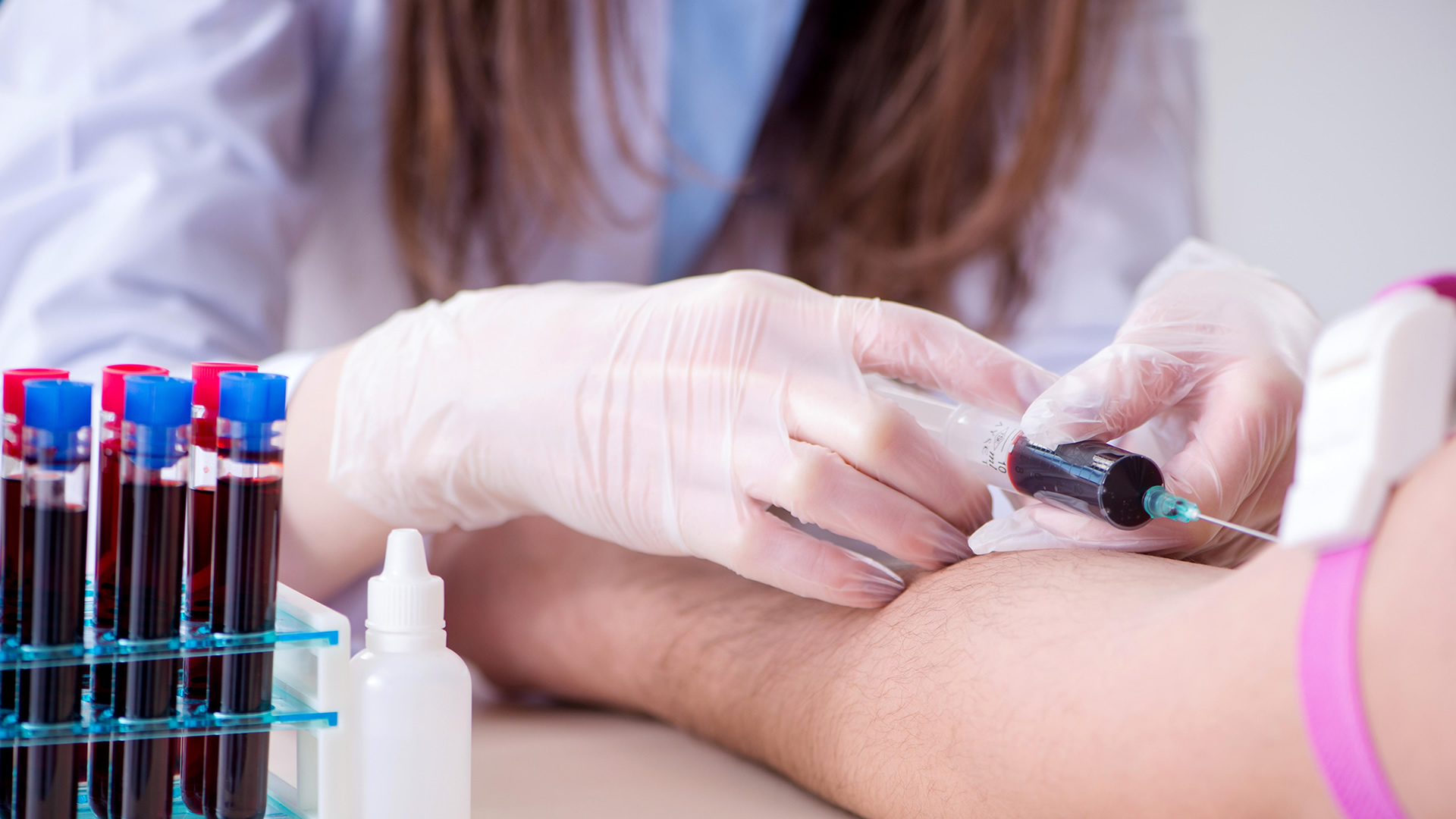
Recent developments in diagnostic technology have led to the creation of blood tests that leverage artificial intelligence to identify dementia. According to research reports, these tests can differentiate between four distinct forms of dementia with an accuracy rate of 92.3%. This high level of precision allows for a more nuanced diagnosis than traditional methods, which often rely on the observation of cognitive decline after it has already begun.
When can Alzheimer’s-associated changes be detected?
One of the most critical findings in recent research is the timeline of detection. Alzheimer’s-associated changes are now identifiable long before the first symptoms of memory loss or cognitive impairment appear. Specifically, these biological markers can be detected as early as middle age.
This shift moves the diagnostic window significantly earlier. While traditional diagnosis typically occurs after a patient exhibits clinical symptoms, these AI-driven tools identify the underlying pathology while the patient is still functionally healthy. This gap between biological onset and clinical symptoms provides a critical window for potential early intervention.
What other early warning systems are being explored?
Beyond AI-enhanced blood tests, the medical community is expanding its focus on other early warning systems to combat Alzheimer’s. According to recent reports, there is a growing emphasis on the role of GLP-1 as part of a broader strategy for early detection and prevention.
By combining high-accuracy blood screening with the study of metabolic and hormonal markers like GLP-1, health researchers aim to create a comprehensive early-warning framework. This approach seeks to identify high-risk individuals decades before the disease manifests, potentially changing how the medical community manages neurodegenerative decline.
