
BLACKPINK Lisa’s “World Cup” Performance Hit With Backlash – Koreaboo
BLACKPINK’s Lisa performed at the 2026 FIFA World Cup opening ceremony at SoFi Stadium in Los Angeles, alongside artists Anitta and Rema. While the event aimed to boost global viewership, reports from Koreaboo indicate that Lisa’s performance has been met with backlash from some audience members.
Why is BLACKPINK Lisa’s “World Cup” Performance Hit With Backlash – Koreaboo?
The performance by Lisa at the 2026 FIFA World Cup opening ceremony has sparked a divide among viewers. According to reports from Koreaboo, the Thai pop star’s appearance has been hit with backlash, though the specific nature of the criticism often reflects the tension between traditional sports fans and the global pop music audience. The event took place at SoFi Stadium in Los Angeles, where Lisa shared the stage with international hitmakers Anitta and Rema.
This reaction occurs within a broader context of how FIFA integrates non-sporting entertainment into its flagship tournament. While the performance was described as “high-energy” in social media reports from Facebook, the Koreaboo report highlights that not all reception was positive. Such backlash is common when high-profile pop icons are placed in the center of sporting events, often leading to debates over the “commercialization” of the game versus the need for global appeal.
The friction typically stems from several factors:
- Cultural Clash: Traditional football supporters often prioritize the sport over elaborate pop spectacles.
- Expectation Gaps: Fans of K-pop and global pop expect a specific level of production that may clash with the pacing of a sports opening.
- Global Visibility: The sheer scale of the World Cup audience ensures that any performance will face intense scrutiny from diverse cultural backgrounds.
Who performed at the 2026 FIFA World Cup opening ceremony?
The opening ceremony for the 2026 FIFA World Cup featured a curated list of global artists designed to represent various continents and musical genres. According to reports from Facebook and Maeil Business Newspaper, the lineup was structured to maximize international reach.
Lisa, the Thai member of BLACKPINK, served as a primary headline act. She performed alongside Anitta, representing Brazil, and Rema, representing Nigeria. This trio was positioned to capture the massive markets of Asia, South America, and Africa. Additionally, Maeil Business Newspaper reports that the artist EJAE opened the festivities, setting the stage for the subsequent headliners.
| Artist | Role/Segment | Regional Representation |
|---|---|---|
| EJAE | Opening Act | Global/K-pop influence |
| Lisa | Headline Performance | Asia (Thailand/Korea) |
| Anitta | Headline Performance | South America (Brazil) |
| Rema | Headline Performance | Africa (Nigeria) |
| BTS | Closing Performance | Asia (South Korea) |
The selection of these artists indicates a strategic move by FIFA to move beyond Western-centric entertainment. By placing Lisa and Anitta in prominent roles, the organization targeted demographics in Thailand, South Korea, and Brazil—three of the most passionate football and music markets in the world.
How is FIFA using K-pop as a “secret weapon” for viewership?
FIFA’s decision to feature K-pop stars is not accidental. According to Dojeon Media, K-pop has become a “secret weapon” for FIFA to drive global viewership. The strategy relies on the intense loyalty and digital mobilization of K-pop fandoms, which often outperform traditional sports marketing in terms of social media engagement and streaming numbers.
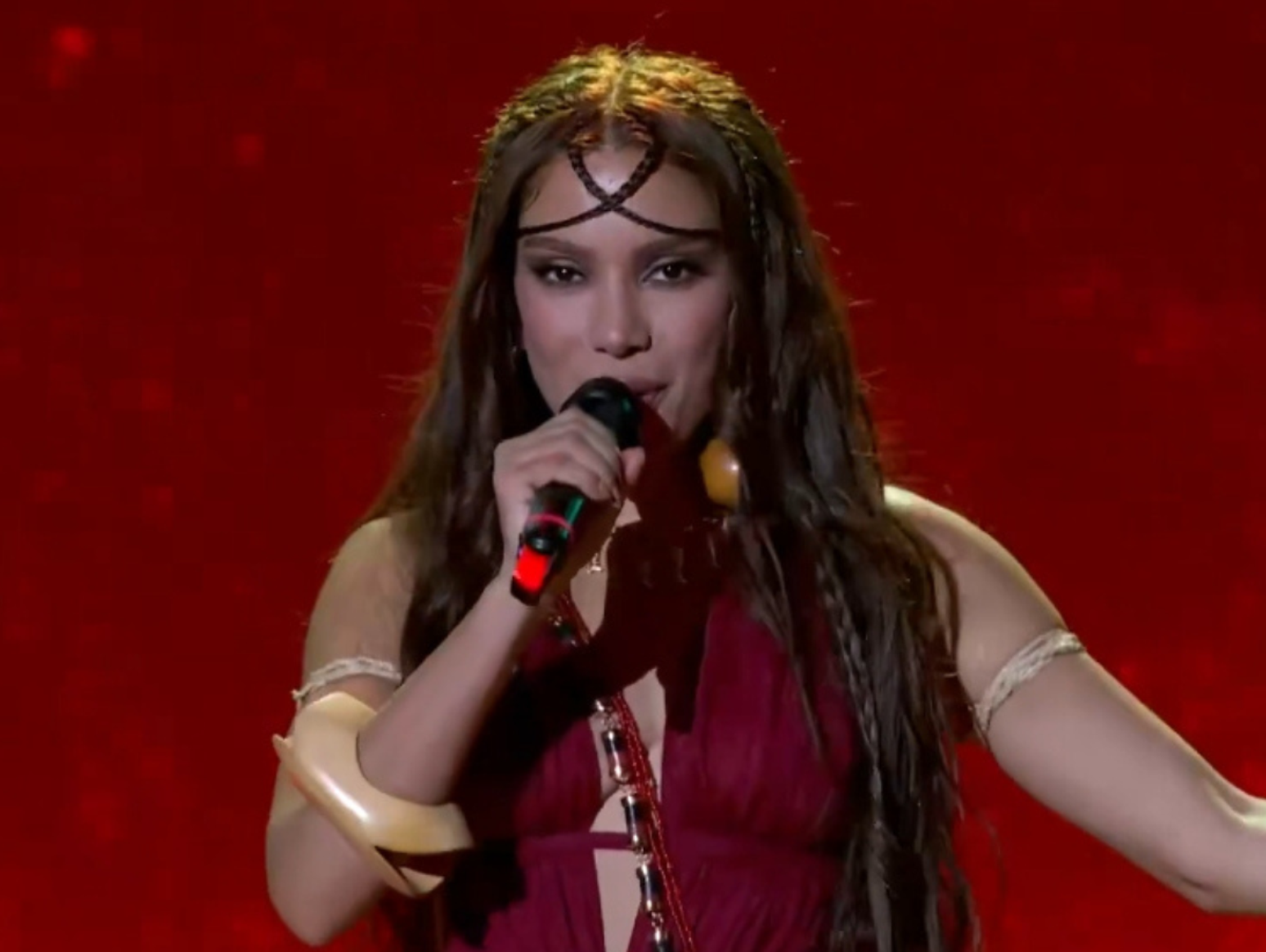
The integration of artists like Lisa and BTS into the World Cup framework serves several institutional goals:
Digital Amplification
K-pop fans are known for coordinated social media campaigns. By booking Lisa, FIFA ensures that the opening ceremony is trended globally across platforms like X (formerly Twitter), TikTok, and Instagram, reaching millions of viewers who might not otherwise tune in for the opening match.
Market Penetration in Asia
While football is globally popular, the specific “idol culture” of Asia provides a direct pipeline to Gen Z and Millennial audiences. Dojeon Media suggests that this alignment helps FIFA modernize its brand image and expand its footprint in the Asian market.
Cross-Pollination of Audiences
By pairing Lisa with Anitta and Rema, FIFA creates a “global village” effect. A fan of Rema in Nigeria may be introduced to Lisa’s work, and a BLACKPINK fan in Thailand may pay closer attention to the tournament’s progression, thereby increasing the total unique viewer count for the event.
“K-pop has become FIFA’s secret weapon for global viewership,” as noted by Dojeon Media, highlighting the shift toward entertainment-driven sports marketing.
What was the role of BTS and other artists in the tournament?
The musical narrative of the 2026 World Cup extended beyond the opening ceremony. According to Maeil Business Newspaper, the tournament’s entertainment schedule was designed as a complete arc, beginning with EJAE and ending with BTS.
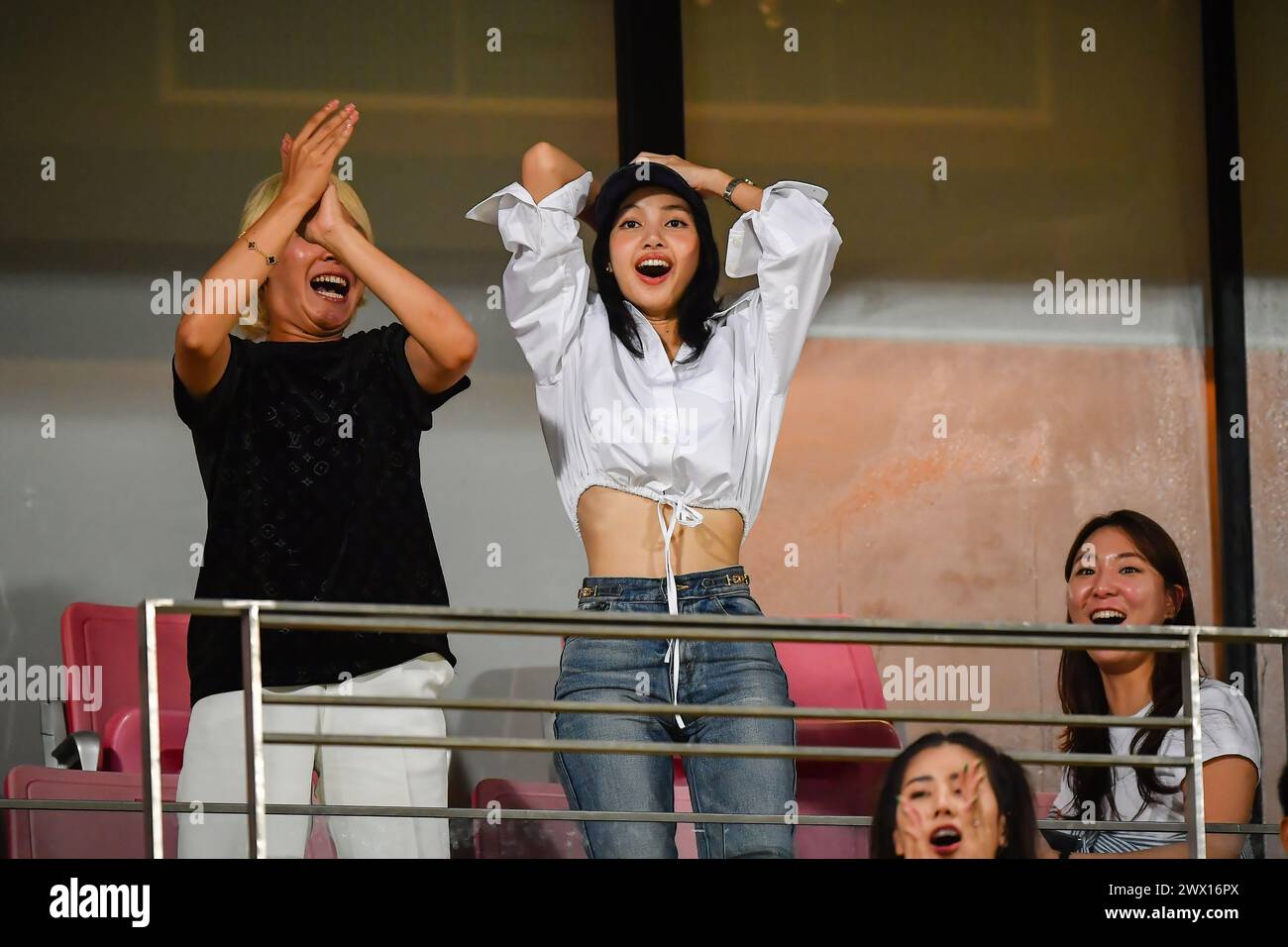
BTS was tasked with closing the North and Central America World Cup. This placement is significant; while the opening ceremony is about energy and anticipation, the closing ceremony is about legacy and celebration. By assigning BTS to the finale, FIFA leveraged the group’s status as the most successful musical act in history to provide a high-impact conclusion to the tournament.
The distinction between the opening and closing roles is clear:
- The Opening (Lisa, Anitta, Rema): Focused on diversity, high energy, and “lighting up” the SoFi Stadium to signal the start of the competition.
- The Closing (BTS): Focused on a grand finale, likely intended to leave a lasting emotional impression on the global audience.
This structure suggests that FIFA is treating the World Cup not just as a series of matches, but as a multi-week entertainment festival. The use of EJAE to open the event further emphasizes the reliance on the K-pop production pipeline to ensure professional, high-gloss execution.
The impact of performing at SoFi Stadium
The choice of SoFi Stadium in Los Angeles as the venue for the opening ceremony added another layer of complexity to the performance. As one of the most expensive and technologically advanced stadiums in the world, SoFi provided a massive canvas for the “high-energy” headline acts mentioned in Facebook reports.
Performing at this venue requires a scale of production that matches the architecture. For Lisa, this meant coordinating choreography and visuals that could be seen by tens of thousands in person and millions via broadcast. The scale of the venue often contributes to the “backlash” reported by Koreaboo; when a performance is designed for a stadium of that size, the intimacy of a music video is lost, and the focus shifts to the spectacle, which can alienate viewers who prefer a more traditional sporting atmosphere.
The logistics of the 2026 tournament, spread across North and Central America, make the Los Angeles opening a critical anchor point. It served as the primary introduction to the tournament’s aesthetic and commercial direction.
Comparing the reception of global stars at FIFA events
The reaction to Lisa’s performance is not an isolated incident. Historically, FIFA has faced similar cycles of praise and criticism when employing pop stars. However, the scale of the “K-pop effect” is unprecedented.
When comparing the current strategy to previous tournaments, a clear shift is evident. Previous ceremonies often relied on local artists from the host nation. In contrast, the 2026 opening ceremony prioritized global “hitmakers” regardless of their origin. This reflects a transition from national pride to global brand alignment.
The contrast in framing is also notable across different media outlets:
- Entertainment Outlets (Koreaboo): Focus on the “backlash” and fan reactions, highlighting the volatility of celebrity reception.
- Industry Analysts (Dojeon Media): Focus on the strategic “weaponization” of K-pop for viewership metrics.
- Regional News (Asia News Network): Focus on the prestige of a Thai star representing the region on the world’s biggest stage.
This divergence shows that the “success” of the performance depends entirely on the metric being used: social media sentiment, viewership numbers, or national representation.
Common misconceptions about the World Cup performances
There are several oversimplifications regarding the involvement of artists like Lisa and BTS in the FIFA World Cup. One common misconception is that these artists are simply “hired help” for a few songs. In reality, as indicated by the strategic focus on “global viewership” mentioned by Dojeon Media, these artists are central to the tournament’s marketing architecture.
Another misconception is that the “backlash” reported by Koreaboo indicates a failure of the performance. In the current digital economy, “backlash” and “praise” both contribute to engagement. A performance that is universally liked but ignored is a failure for FIFA; a performance that sparks intense debate across multiple continents is, from a viewership standpoint, a success.
Finally, some believe that the inclusion of K-pop is a trend. However, the data suggests it is a structural shift. The movement of the closing ceremony to BTS and the opening to Lisa shows that FIFA is integrating the K-pop industry into its long-term growth strategy for the 21st century.
Quick Reference: 2026 World Cup Performance Facts
- Primary Venue: SoFi Stadium, Los Angeles.
- Main Headline Acts: Lisa, Anitta, Rema.
- Opening Artist: EJAE.
- Closing Artist: BTS.
- Strategic Goal: Increasing global viewership via K-pop and international pop stars.
- Reported Conflict: Backlash regarding the pop-heavy nature of the opening (Koreaboo).
Frequently Asked Questions
Why did Lisa’s World Cup performance receive backlash?
According to Koreaboo, the backlash is linked to the reception of her performance during the 2026 FIFA World Cup opening ceremony. This often stems from a divide between traditional football fans and the global pop music audience, as well as the inherent scrutiny that comes with a high-profile global broadcast.
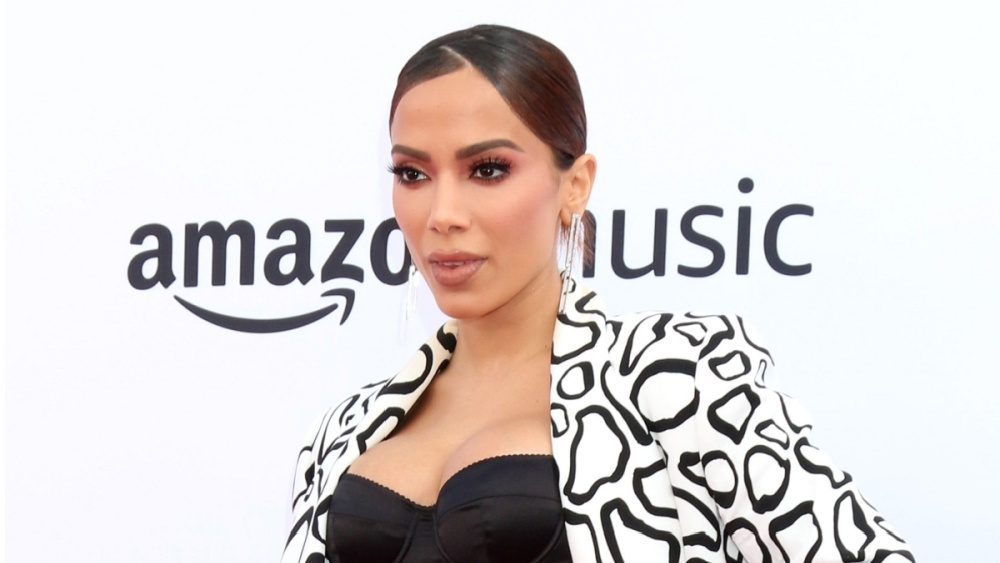
Who else performed alongside Lisa at the opening ceremony?
Lisa performed alongside Anitta and Rema. According to Maeil Business Newspaper, the event was opened by EJAE, while the closing ceremony featured BTS.
Where did the 2026 World Cup opening ceremony take place?
The opening ceremony took place at SoFi Stadium in Los Angeles, California.
How does K-pop help FIFA’s viewership?
As reported by Dojeon Media, K-pop acts as a “secret weapon” by leveraging massive, digitally active fandoms to drive social media engagement and attract younger, global audiences who may not be traditional football viewers.
Was BTS part of the opening ceremony?
No. According to Maeil Business Newspaper, BTS was scheduled to close the North and Central America World Cup, while Lisa and others handled the opening.
For those interested in how these partnerships evolve, a related explainer on sports marketing trends may provide further insight into the intersection of pop culture and global athletics.
