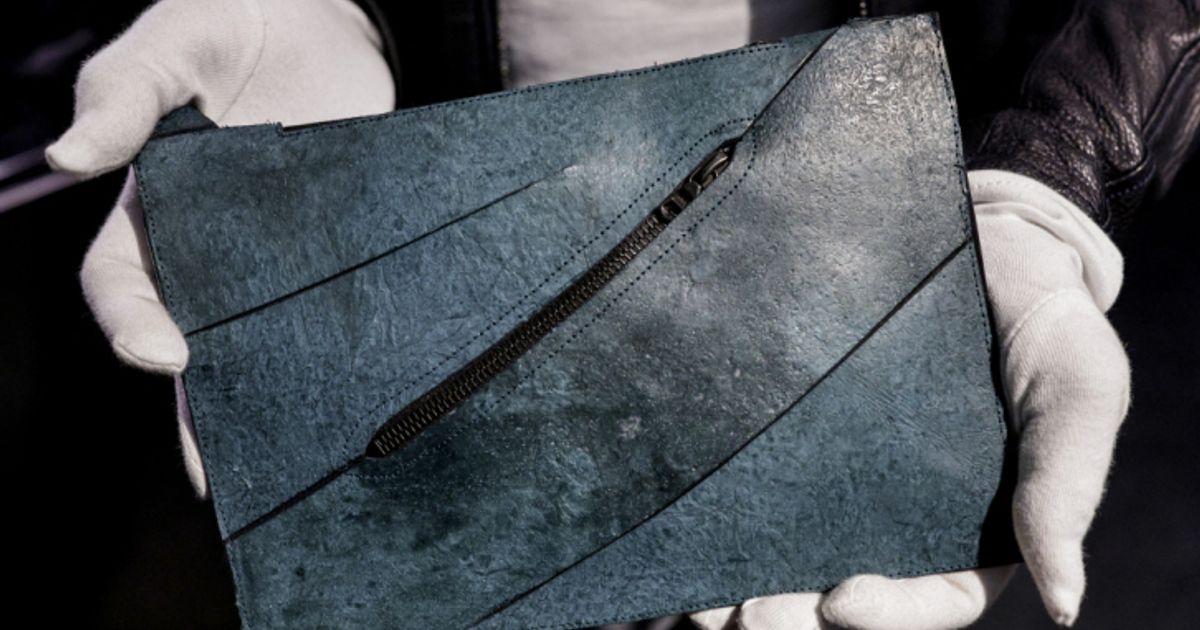
A handbag produced from Tyrannosaurus rex skin cells was recently auctioned in Paris, according to reports from several European news outlets. The item, marketed as the first of its kind created from “dinosaur leather,” failed to find a buyer, according to the Tiroler Tageszeitung.
Why the T-Rex Skin Handbag Failed to Sell
The auction, which was publicized by outlets including Der Standard and the Berliner Zeitung, attempted to monetize the intersection of synthetic biology and luxury fashion. Despite the novelty of the material, the Tiroler Tageszeitung reported that the handbag did not attract a successful bid. This outcome suggests a disconnect between the technical ability to synthesize prehistoric materials and the actual demand within the high-end collectibles market.
How Lab-Grown Dinosaur Leather Works
The product utilizes cellular agriculture to create a material that mimics the hide of an extinct animal. Rather than using fossilized remains, which cannot be converted into flexible leather, the process involves growing skin cells in a laboratory environment. STERN.de characterized the resulting material as “dino-leather,” a biological synthesis that allows for the creation of animal tissues without the need for a living specimen.

Prehistoric Synthesis in the Luxury Market
The Paris auction highlighted a growing trend in “bio-luxury,” where lab-grown materials are positioned as exclusive alternatives to traditional exotic skins. While the Berliner Zeitung framed the event as a milestone for the first handbag of its kind, the lack of a sale indicates that the provenance of T-Rex cells may not yet hold the same value as established luxury brands or traditional rare materials.
