
Iran has dismissed former U.S. President Donald Trump’s claims about a potential agreement with the Biden administration as speculative, according to local media reports. No official statement from Tehran has confirmed the allegations, which emerged amid ongoing tensions over nuclear negotiations and regional security concerns.
Tensions Over Unverified Claims
Trump, who has frequently commented on Iran policy since leaving office, reportedly suggested that Iran had approved a deal with the U.S. earlier this week. However, Iranian officials have categorically denied the assertion, with state media emphasizing that no formal agreement has been finalized. “The points raised by Trump are purely speculative,” an Iranian government source stated, though no specific details were provided.
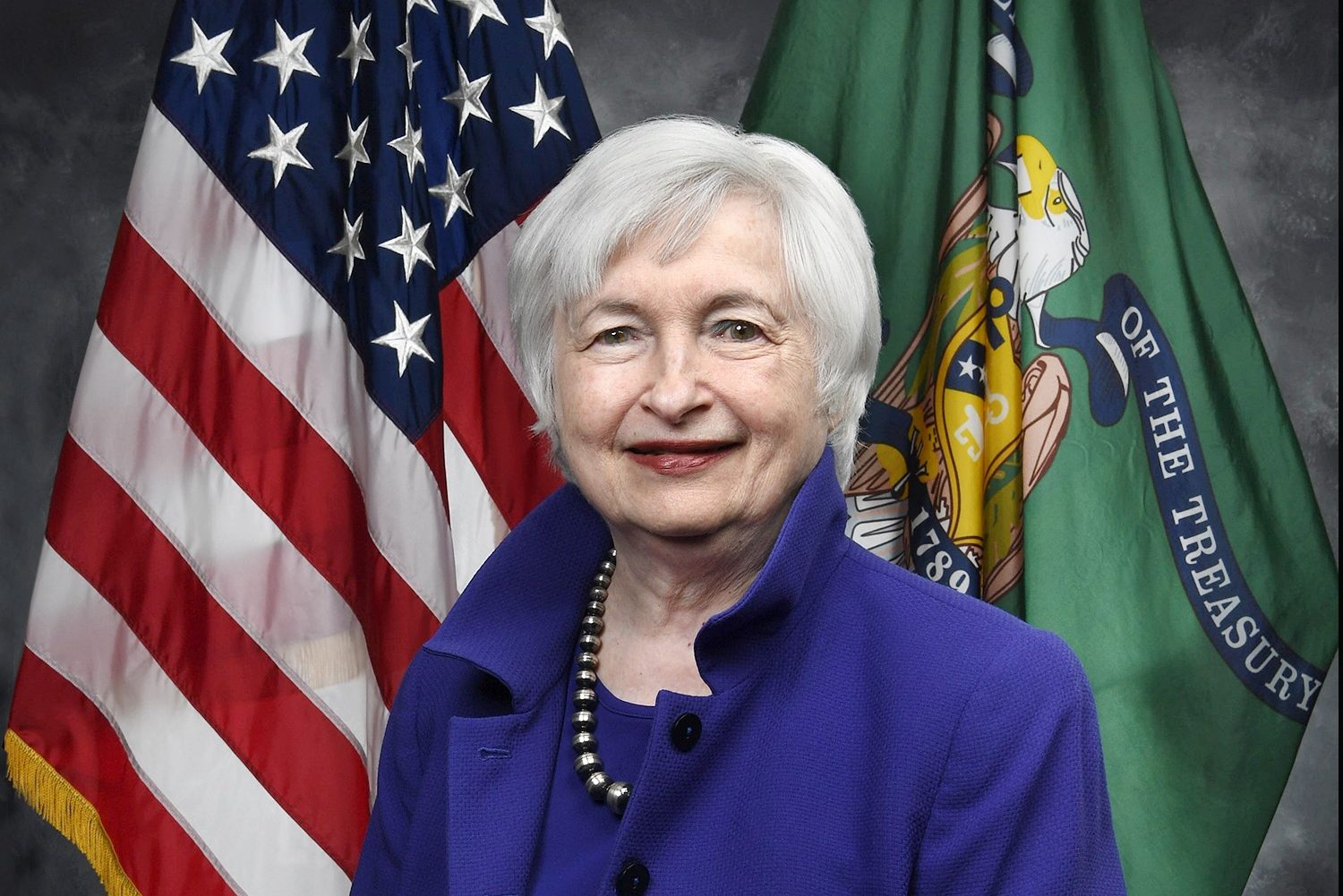
The claims come as U.S. Treasury Secretary Janet Yellen’s office reiterated that any damages resulting from potential conflicts in the Persian Gulf would be covered by Iranian assets. This statement was made in response to growing fears of escalation following recent skirmishes in the region, though no direct link to Trump’s remarks was acknowledged.
U.S. Officials Address Potential Consequences
American officials have remained cautious in their public responses, focusing on broader strategic considerations rather than directly addressing Trump’s comments. The Treasury Department’s remarks underscored the Biden administration’s stance on enforcing sanctions and ensuring accountability for actions that threaten regional stability. “The U.S. remains committed to protecting its interests and allies in the Gulf,” a spokesperson said, without elaborating on specific measures.
Iranian media outlets, including Anadolu Ajansı, reported that no official text of a mutual agreement had been approved by either side. This aligns with previous statements from Tehran, which has consistently rejected what it describes as unilateral U.S. demands in nuclear negotiations. The absence of a formal document has fueled skepticism about the authenticity of Trump’s claims.
Why It Matters
The dispute highlights the fragile nature of U.S.-Iran relations, which have been strained since the 2018 U.S. withdrawal from the 2015 nuclear deal. Recent diplomatic efforts have focused on reviving elements of the agreement, but progress has been slow due to disagreements over sanctions relief and Iran’s nuclear activities. The lack of clarity around Trump’s assertions risks further complicating these negotiations.
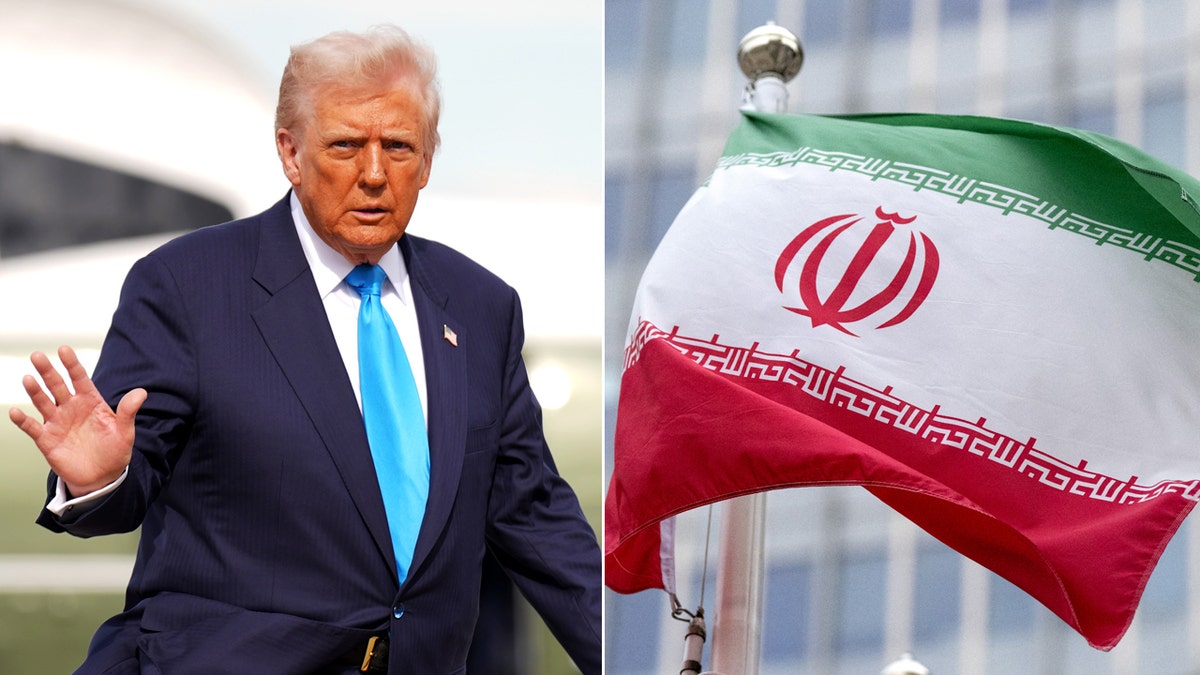
Regional actors, including Gulf Cooperation Council members, have expressed concern over the potential for renewed hostilities. The U.S. has maintained a military presence in the area, while Iran has continued to expand its influence through proxies in Iraq, Syria, and Yemen. Any escalation could have far-reaching implications for global energy markets and Middle East security.
What’s Next
With no official response from Iran and the Biden administration avoiding direct confrontation, the situation remains in flux. Analysts suggest that the focus will shift to upcoming diplomatic talks, where both sides may seek to clarify their positions. However, the absence of a verified agreement or statement from Tehran leaves room for continued speculation and uncertainty.
