
Kawasaki Motor Corporation announced the launch of the Brusky 125 in Indonesia, positioning the 125 cc scooter as a competitive offering in the local motorcycle market. The model, unveiled at the Jakarta Fair 2026, carries a price tag of Rp26.5 million (approximately $1,750), according to reports from local media.
The Brusky 125 features a single-cylinder, air-cooled engine designed for urban commuting, with a focus on fuel efficiency and low maintenance costs. Specifications include a top speed of 85 km/h and a fuel tank capacity of 5.5 liters, according to technical details shared by the company. The scooter also incorporates a front disc brake and rear drum brake system, along with a twin-spar steel frame for stability.
Technical Overview
The Brusky 125 operates on a 125 cc displacement engine, a common size for entry-level scooters in Southeast Asia. This engine type balances power output with compliance to local emissions standards. The vehicle’s design emphasizes compactness, with a wheelbase of 1,240 mm and a curb weight of 108 kg, making it maneuverable in dense traffic conditions.
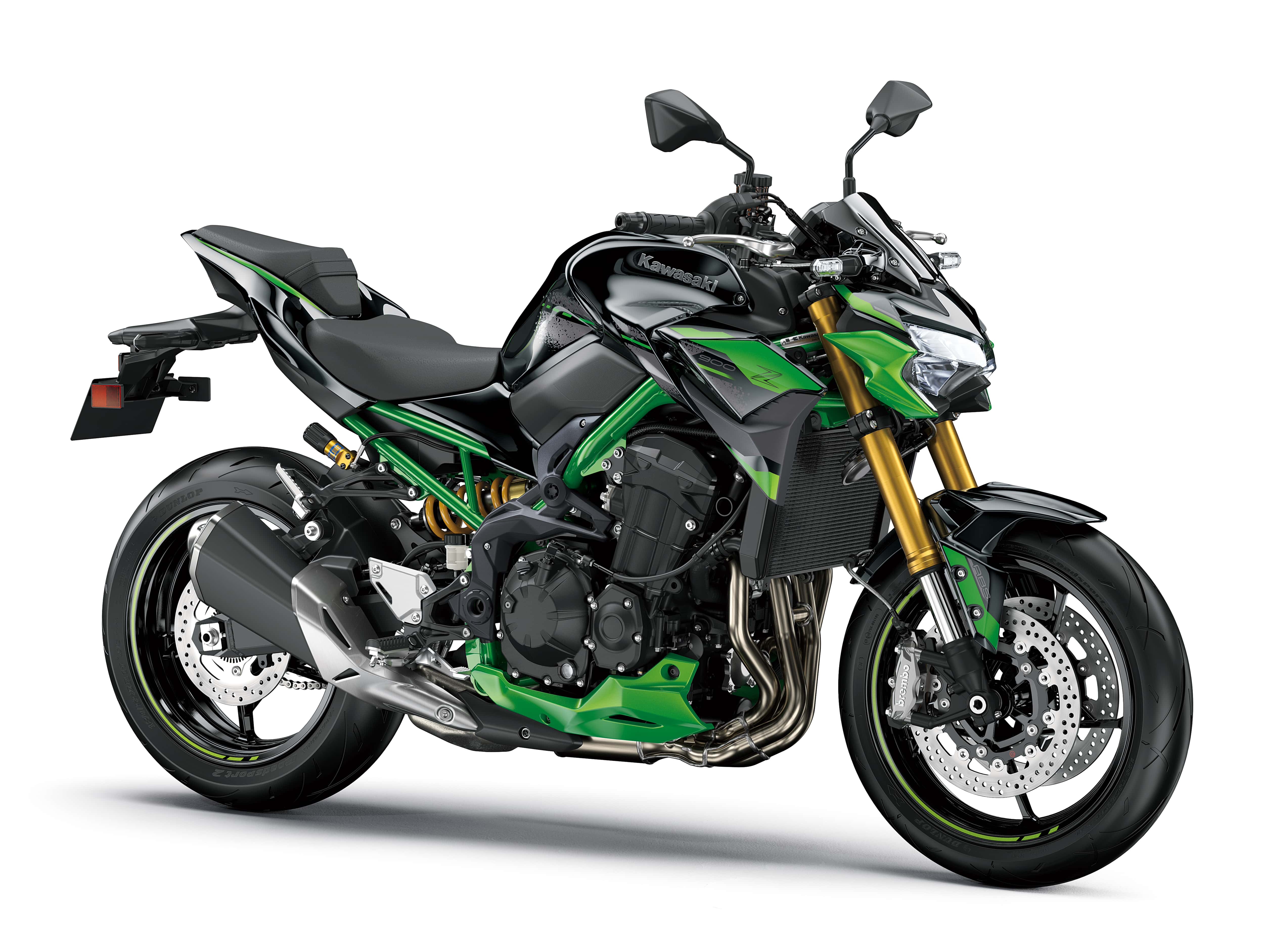
Kawasaki’s decision to enter the 125 cc segment reflects broader trends in the Indonesian motorcycle market, where smaller displacement models have gained popularity due to rising fuel prices and stricter environmental regulations. The Brusky 125 directly targets competitors such as Honda’s Vario series, which has dominated the scooter category for years.
Market Positioning
The Brusky 125’s pricing places it in direct competition with Honda’s Vario 125, which retails for around Rp24.5 million. However, Kawasaki’s brand reputation for durability and performance may appeal to buyers seeking alternatives to mainstream models. The scooter’s launch coincides with the Jakarta Fair 2026, a major event that attracts thousands of consumers annually, providing a strategic platform for visibility.
Local dealerships have reported high interest in the Brusky 125 ahead of its official release, with pre-orders exceeding initial projections. This demand underscores the growing appetite for affordable, efficient two-wheeled transportation in Indonesia’s urban centers.
The company has not yet disclosed plans for future variants or additional features, but industry analysts suggest that Kawasaki may expand the Brusky lineup to include electric or hybrid models in the coming years, aligning with global shifts toward sustainable mobility.
