
Assuming Netanyahu Runs for Reelection – Losing Is Not an Option – Haaretz: Trump Tension and Political Stakes
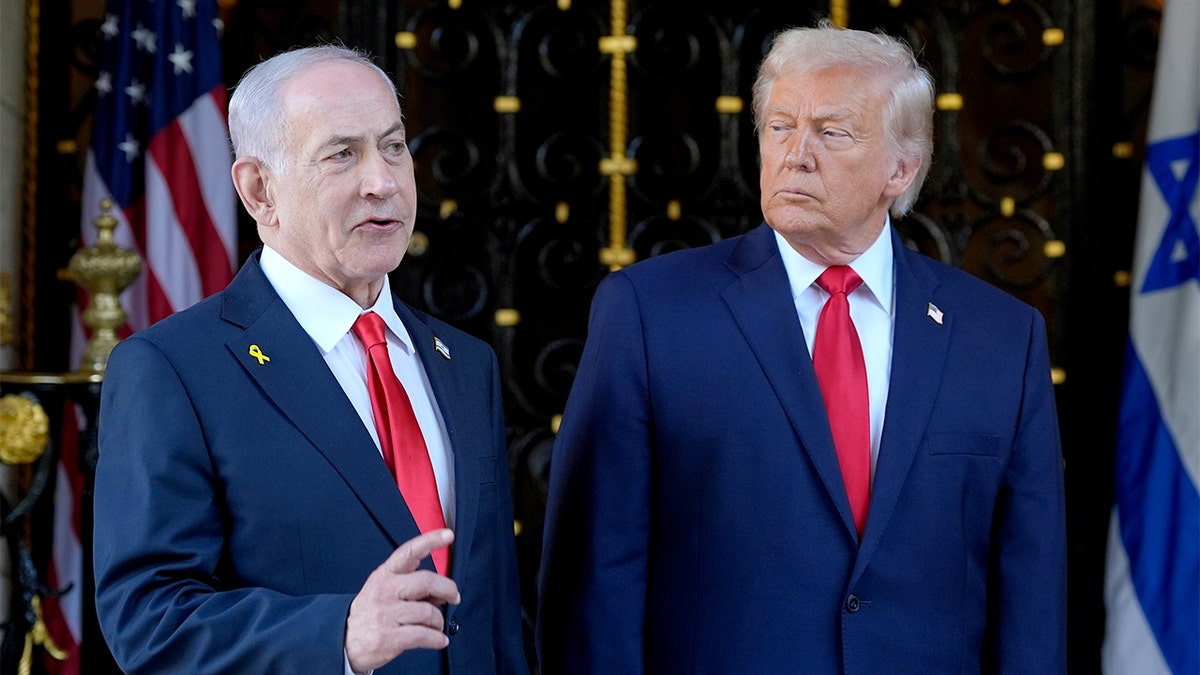
Benjamin Netanyahu intends to seek re-election as Israel’s prime minister, according to his party, despite recent signals of cooling relations with Donald Trump. This political gamble occurs as internal opposition grows and Trump’s public doubts create new vulnerabilities for Netanyahu’s campaign, making a loss potentially untenable for the Likud leader.
The political landscape in Israel has shifted as the prospect of a new election cycle emerges. While the Likud party maintains that its leader will run again, the narrative surrounding his candidacy is increasingly defined by external pressures and internal fractures. Central to this discussion is the report regarding the premise that, assuming Netanyahu runs for reelection – losing is not an option – Haaretz highlights the severe personal and political consequences the Prime Minister faces if he fails to retain power.
Why is Donald Trump’s stance affecting Netanyahu’s campaign?
Donald Trump’s recent comments have introduced a volatile element into Benjamin Netanyahu’s political calculations. Haaretz characterized Trump’s recent expressions of doubt as a “megaton bomb” dropped on Netanyahu’s re-election efforts. This shift is significant because Netanyahu previously relied on a close, symbiotic relationship with the former U.S. president to secure diplomatic wins and domestic legitimacy.
According to reporting from The Times of Israel, there are indications that Trump may be growing tired of Netanyahu. This fatigue mirrors a sentiment found within Israel, where a significant portion of the electorate has expressed exhaustion with the Prime Minister’s long tenure. The friction between the two leaders suggests that the unconditional support Netanyahu once enjoyed from the Trump camp is no longer guaranteed.
The impact of this tension is twofold:
- Diplomatic Isolation: If Trump perceives Netanyahu as a liability or an ineffective partner, Netanyahu loses his primary bridge to a potential future Republican administration in Washington.
- Domestic Perception: In Israel, the perception that Netanyahu has lost his “magic touch” with U.S. leadership can weaken his image as the only leader capable of managing the U.S.-Israel relationship.
“Trump might just be getting tired of Netanyahu — and so might Israel,” reports The Times of Israel, suggesting a parallel decline in support both domestically and internationally.
What are the internal challenges facing the Likud party?
While the Likud party officially supports Netanyahu’s bid for re-election, the foundation of that support is under pressure. The party must balance the Prime Minister’s personal ambition with the reality of polling and public sentiment. As noted by Reuters, the party’s confirmation of his candidacy comes specifically after Trump raised doubts, suggesting a need to project unity and strength in the face of external criticism.
The internal struggle is not limited to Likud. Jewish Insider reports that Netanyahu’s challengers are actively searching for a path to power. These challengers are not just from opposing parties but include figures within the right-wing bloc who may see an opening if Netanyahu’s viability continues to decline.
Key Pressure Points for the Prime Minister
- Legal Vulnerabilities: The premise that losing is not an option is tied heavily to Netanyahu’s ongoing legal battles. Maintaining the premiership provides a level of political protection and leverage that vanishes upon leaving office.
- Coalition Stability: Netanyahu relies on a coalition of hard-right and ultra-Orthodox parties. Any sign of weakness can lead these partners to reconsider their allegiance to avoid being dragged down by a failing campaign.
- Public Protests: Sustained public dissatisfaction has created a climate where the opposition feels emboldened to present alternative leadership.
For more context on how Israeli coalitions are formed, see a related explainer on the Knesset electoral system.
How do the perspectives of different news outlets compare?
The reporting on Netanyahu’s re-election bid varies in tone and focus across major outlets, revealing different angles of the crisis. While Reuters focuses on the official party line and the immediate reaction to Trump, other outlets dive deeper into the psychological and systemic risks.
| Source | Primary Focus | Characterization of Situation |
|---|---|---|
| Reuters | Official Party Statements | A formal confirmation of candidacy despite U.S. doubts. |
| Haaretz | Strategic and Personal Risk | A high-stakes gamble where losing is not a viable option. |
| The Times of Israel | Relational Fatigue | Mutual exhaustion between Trump, Netanyahu, and the Israeli public. |
| Jewish Insider | Opposition Strategy | Challengers identifying a viable path to replace the current leadership. |
Haaretz frames the situation as an existential political crisis, emphasizing the “losing is not an option” mentality. In contrast, Jewish Insider focuses on the mechanics of the opposition, highlighting that the vacuum created by Netanyahu’s vulnerability is being filled by opportunistic challengers.
Why is “losing not an option” for Benjamin Netanyahu?
The phrase “losing is not an option” is not merely a campaign slogan but a reflection of the Prime Minister’s current legal and political reality. In the Israeli political system, a Prime Minister who loses an election loses the ability to influence the judicial and legislative processes that may affect their personal legal standing.
According to analysis from Haaretz, the stakes for Netanyahu are higher than for a typical politician. The intersection of his corruption trials and his grip on power creates a scenario where electoral defeat could lead directly to legal consequences that he can currently stave off or manage while in office.
The Risks of Electoral Defeat
- Loss of Immunity: While the Prime Minister does not have total immunity from prosecution, the position provides significant political cover and the ability to appoint allies to key positions.
- Shift in Judicial Balance: A change in government could lead to a reversal of the judicial overhaul efforts, which were largely seen as a means to limit the power of the courts over the government.
- Political Erasure: For a leader who has dominated Israeli politics for decades, a definitive loss would mark the end of an era and the loss of the Likud party’s identity as “the party of Netanyahu.”
This desperation to win creates a paradoxical situation. To secure a victory, Netanyahu may feel forced to make concessions to his furthest-right partners, which in turn may alienate the centrist voters he needs to form a stable majority.
What paths are Netanyahu’s challengers pursuing?
As reported by Jewish Insider, the search for a path to power by Netanyahu’s challengers is becoming more organized. These challengers are not looking for a single “silver bullet” but are instead focusing on several strategic vulnerabilities.
First, they are leveraging the “exhaustion” factor mentioned by The Times of Israel. By positioning themselves as a “fresh start” or a “return to stability,” they appeal to voters who are tired of the constant political turmoil and the focus on the Prime Minister’s legal woes.
Second, they are monitoring the relationship between the U.S. and Israel. If the “megaton bomb” of Trump’s doubt leads to a permanent rift, challengers will argue that Netanyahu is no longer the most effective diplomat for Israel’s security interests.
Third, there is a move toward consolidating the center-left and center-right opposition. The goal is to create a viable alternative that can attract enough Likud defectors or undecided voters to tip the scale in a close election.
For further reading on the current state of U.S. foreign policy in the region, check out a related explainer on the Abraham Accords and their evolution.
Common misconceptions about the Netanyahu-Trump relationship
A frequent oversimplification in public discourse is that the relationship between Benjamin Netanyahu and Donald Trump is purely transactional or permanently fixed. The current reporting suggests a more complex reality.
Misconception 1: The relationship is based on ideological purity.
In reality, as The Times of Israel suggests, the bond was often based on mutual political utility. Trump used Netanyahu to signal strength to his base; Netanyahu used Trump to achieve specific policy goals like the move of the U.S. embassy to Jerusalem. When the utility decreases, the relationship strains.
Misconception 2: Trump’s doubts are a temporary campaign tactic.
Haaretz’s description of Trump’s comments as a “megaton bomb” implies a deeper shift. In the world of Donald Trump, public expressions of disappointment often signal a genuine change in affinity or a strategic decision to distance himself from a perceived “loser” or liability.
Misconception 3: The Likud party is a monolith of support.
While the party officially backs the Prime Minister, the reporting from Reuters and Jewish Insider indicates that there are cracks. The party’s support is often a calculation of who the most viable candidate is, rather than blind loyalty.
Summary of Current Political Dynamics
- Netanyahu’s Position: Seeking re-election to avoid legal and political collapse.
- Trump’s Position: Expressing doubt, potentially signaling a cooling of the alliance.
- Opposition Position: Actively organizing to capitalize on perceived weakness.
- Public Position: Increasing fatigue with long-term leadership.
Frequently Asked Questions
What does “losing is not an option” mean in this context?
According to reports from Haaretz, this phrase refers to the belief that Benjamin Netanyahu cannot afford to lose the next election due to his ongoing legal challenges and the loss of political protection that the Prime Minister’s office provides.
How has Donald Trump’s view of Netanyahu changed?
While once very close, The Times of Israel reports that Trump may be “getting tired” of Netanyahu. Recent public comments from Trump have raised doubts about Netanyahu’s standing, which Haaretz described as a significant blow to his campaign.
Is the Likud party fully behind Netanyahu’s re-election?
Officially, yes. Reuters reports that the party has stated he will run. However, Jewish Insider notes that challengers are searching for a path to power, suggesting that internal support may be more fragile than the official narrative suggests.
Who are the primary challengers to Netanyahu?
The challengers include a mix of opposition leaders from the center and left, as well as potential rivals within the right-wing bloc who see an opportunity to lead the Likud or a new right-wing coalition.
Why is the U.S. relationship so critical for the Israeli election?
The Prime Minister of Israel must maintain a strong relationship with the U.S. for security assistance and diplomatic support. A perceived breakdown in the relationship with a potential U.S. president can be used by political opponents to argue that the current leader is ineffective.
The trajectory of the next election will likely depend on whether Netanyahu can repair his relationship with Donald Trump and convince a fatigued Israeli public that his leadership remains indispensable. With the stakes elevated to an existential level for the Prime Minister, the coming months will determine if the Likud party can maintain its grip on power or if the challengers’ search for a path to victory will end in a change of government.
