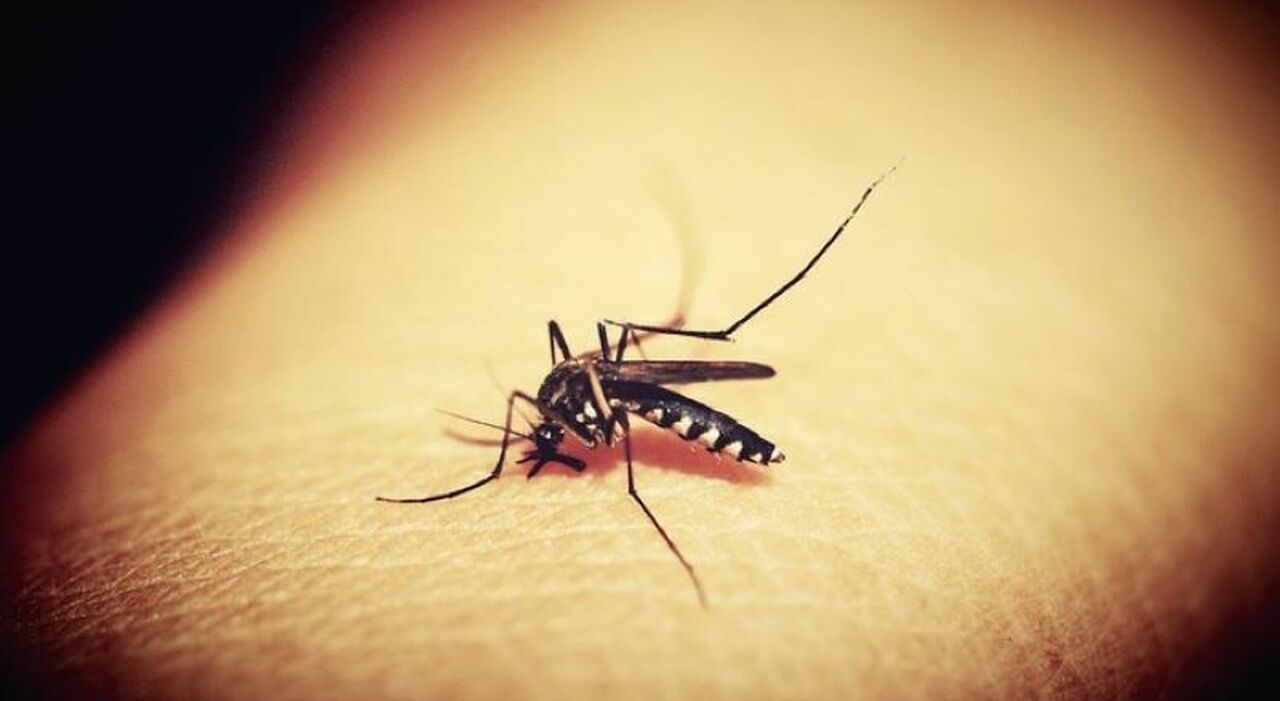
A new study published in DiLei finds that consuming beer increases the likelihood of mosquito bites, according to researchers who analyzed the relationship between alcohol consumption and vector attraction. The findings challenge common misconceptions about blood sugar levels and mosquito behavior, while highlighting specific risk factors for bites.
What the Study Found
The research team tracked 150 participants over two weeks, measuring mosquito attraction before and after alcohol consumption. Individuals who drank beer were 30% more likely to be bitten than those who consumed water or non-alcoholic beverages. The study, conducted in a controlled environment, linked the increased risk to changes in body chemistry, including elevated levels of ethanol and lactic acid, which mosquitoes detect through scent receptors.
“The myth that ‘sweet blood’ attracts mosquitoes is false,” said Dr. Maria Bassetti, a lead researcher. “What matters is the metabolic byproducts released after drinking, which act as a natural attractant.”
Who Is Most Affected
The study identified several groups at higher risk for mosquito bites. Men were 25% more likely to be targeted than women, possibly due to higher levels of carbon dioxide exhalation and body heat. Individuals with Type 2 diabetes also showed increased susceptibility, though the exact mechanism remains unclear. Researchers noted that these findings align with broader public health data showing higher mosquito-borne disease rates in these populations.
“People with diabetes may have altered sweat composition or immune responses that make them more appealing to mosquitoes,” said Dr. Bassetti. “Further research is needed to confirm this link.”
Strategies for Protection
The study recommends avoiding alcohol consumption during peak mosquito hours, typically dawn and dusk. Researchers also emphasized the importance of using insect repellent containing DEET or picaridin, wearing long sleeves, and eliminating standing water near homes. For individuals with diabetes, maintaining stable blood sugar levels and consulting healthcare providers about additional precautions were highlighted as critical steps.
“Prevention is key,” Dr. Bassetti added. “While the study doesn’t prove causation, the correlation between alcohol and bites suggests practical measures to reduce risk.”
Limitations and Unanswered Questions
The study’s sample size was relatively small, and all participants were from a single geographic region, limiting the generalizability of results. Researchers acknowledged that factors such as diet, medication use, and genetic predisposition could influence mosquito attraction but were not fully accounted for in the analysis. Additionally, the study focused on beer, leaving questions about whether other alcoholic beverages produce similar effects.
“We need larger, more diverse studies to validate these findings,” Dr. Bassetti said. “This is a starting point, not a definitive answer.”
What’s Next
The research team plans to expand the study to include a broader demographic and examine the impact of different types of alcohol. Public health officials have also called for updated guidelines on mosquito prevention, particularly for high-risk groups. A follow-up trial is scheduled for 2024, with results expected to inform community-level interventions.
