Russian energy infrastructure on the Crimean Peninsula is facing its most severe disruptions since Moscow’s 2014 annexation, as Ukrainian strikes have cut power to a key port city and expanded fuel shortages across the region, according to local media and government officials.
The escalation comes as Ukrainian forces intensify drone and missile attacks targeting critical Russian supply lines, with the Kremlin’s response so far limited to public statements of restraint amid growing civilian unrest in Moscow.
Why This Matters for Russia’s Crimean Control
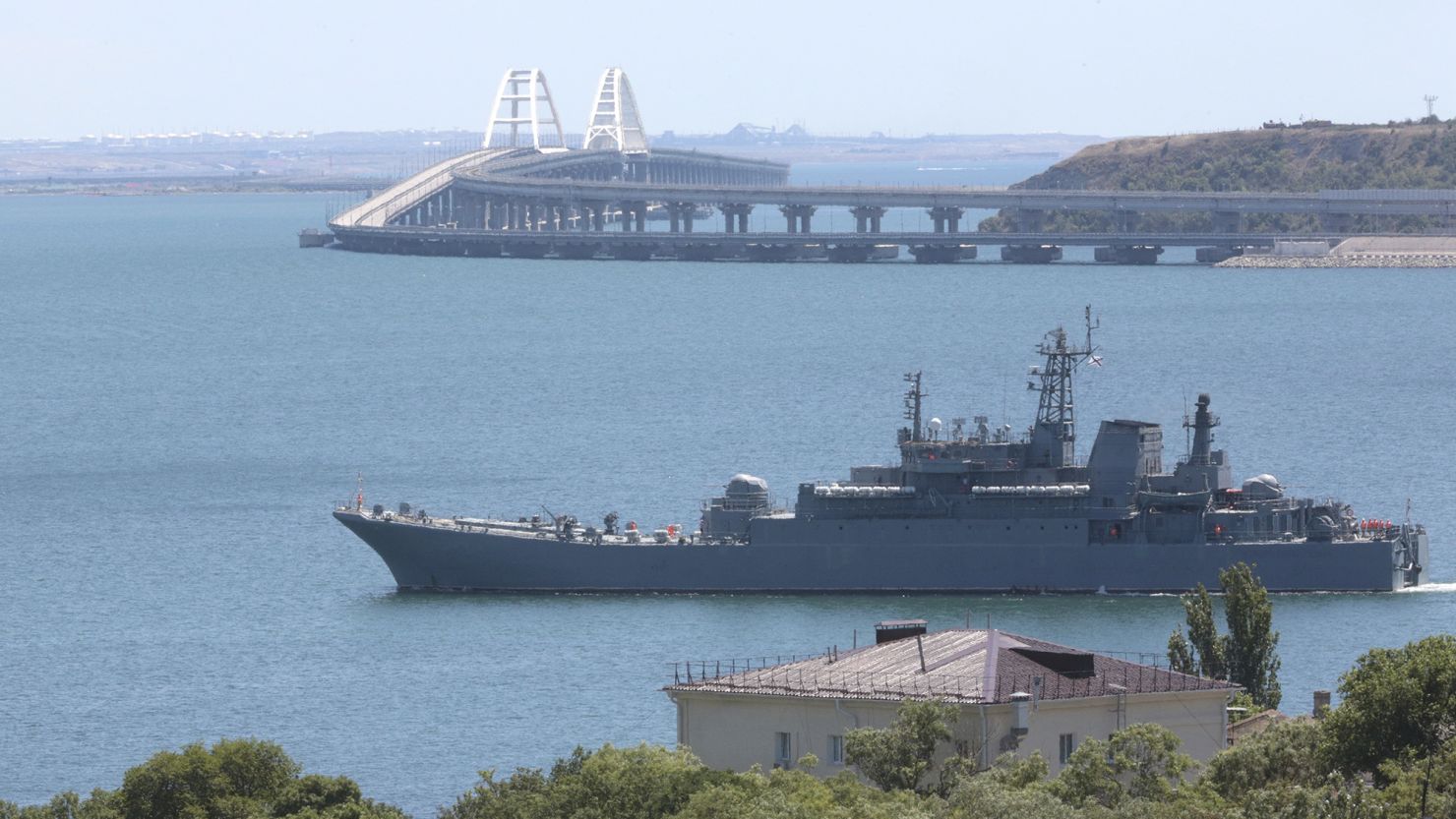
Russian officials confirmed that the strategic port city of Kerch—a critical hub for military and civilian traffic between Russia and Crimea—has been left without electricity following overnight strikes, according to government-affiliated media. The outage follows a 24-hour closure of the Kerch Strait Bridge, a key transit route for Russian forces and goods, which Ukrainian forces have targeted repeatedly since the war’s onset.
Meanwhile, fuel shortages have spread to multiple regions in southern Russia, including the Krasnodar and Rostov oblasts, as Ukrainian attacks disrupt refinery operations and supply chains, local reports state. The disruptions come as Moscow struggles to maintain its grip on Crimea, a peninsula it annexed from Ukraine in 2014 and has since fortified with military installations and infrastructure.
How Ukraine’s Strikes Are Reshaping the Conflict
Ukrainian forces have ramped up precision strikes on Russian energy and logistics nodes, a strategy that has forced Moscow to divert resources from the front lines to defense and recovery efforts. According to international observers, the attacks on Crimea mark a shift in Kyiv’s campaign to weaken Russia’s ability to sustain its occupation of Ukrainian territory.
A video released by Russian state media shows smoke rising over Kerch after a reported drone strike, with officials describing the damage as “significant but manageable.” However, the repeated targeting of the region suggests a deliberate effort to degrade Russia’s operational capacity in Crimea, a move that could have long-term implications for Moscow’s control over the peninsula.
The strikes have also exposed vulnerabilities in Russia’s air defense systems, with reports of civilian areas in Moscow experiencing drone attacks for the first time in months. Residents described “angsty moments” as alarms sounded across the capital, though no major casualties have been reported, according to local media.
What This Means for Regional Stability
The latest escalation raises questions about whether Ukraine’s strategy of targeting Russian supply lines will force Moscow to escalate its military response. Historically, such attacks have prompted Russian retaliation against Ukrainian infrastructure, including energy grids and transportation networks. However, with winter approaching, any further disruptions could exacerbate shortages and public discontent in Russia.
Analysts note that the Kerch Strait Bridge—a symbol of Russia’s annexation of Crimea—has become a high-value target for Ukraine, reflecting its importance as both a military and economic lifeline. The bridge’s repeated closures and the power outages in Kerch suggest that Ukrainian forces are prioritizing the destabilization of Russia’s southern flank.
International Reactions and the Next Steps
So far, Western governments have refrained from direct comments on the latest strikes, though officials have repeatedly condemned Russia’s occupation of Crimea under international law. The European Union and NATO have emphasized the need for de-escalation, though private discussions among allies indicate growing concern over the risk of further conflict spillover.
For now, the immediate focus remains on assessing the damage to Russian infrastructure and determining whether the strikes will lead to a broader military response. Ukrainian officials have not commented publicly on the attacks, but the pattern of targeting energy and logistics suggests a calculated approach to weaken Russia’s war machine without triggering a full-scale escalation.
What’s next depends on Moscow’s reaction. If Russia responds with further strikes on Ukrainian energy infrastructure—such as those seen in 2022—it could deepen the humanitarian crisis in Ukraine. Alternatively, if Kyiv continues its focused campaign on Russian supply lines, the pressure on Moscow’s occupation forces in Crimea could intensify.
