
Which Teams Have Qualified for the World Cup 2026 Knockouts, Round of 32?
The FIFA World Cup 2026 tournament has reached a pivotal stage, with teams from across the globe vying for a spot in the round of 32. As group-stage matches conclude, the focus shifts to determining which squads have secured their place in the knockout rounds. This article outlines the confirmed qualifiers, explores the criteria for advancement, and examines the implications of these results for the remainder of the competition.
How Teams Qualify for the World Cup 2026 Knockout Rounds
The path to the round of 32 in the World Cup 2026 is governed by a set of standardized rules set by FIFA. In the group stage, 32 teams are divided into eight groups of four. The top two teams from each group automatically advance, while the four best third-place teams also earn a spot in the knockout rounds. This structure ensures that 16 teams progress to the next phase, where they compete in a single-elimination format.
According to FIFA’s official guidelines, teams are ranked based on points accumulated during the group stage. A win awards three points, a draw one point, and a loss none. If teams are tied on points, tiebreakers such as goal difference, goals scored, and head-to-head results are applied. This system has been in place for multiple tournaments and is designed to promote fairness and competitiveness.
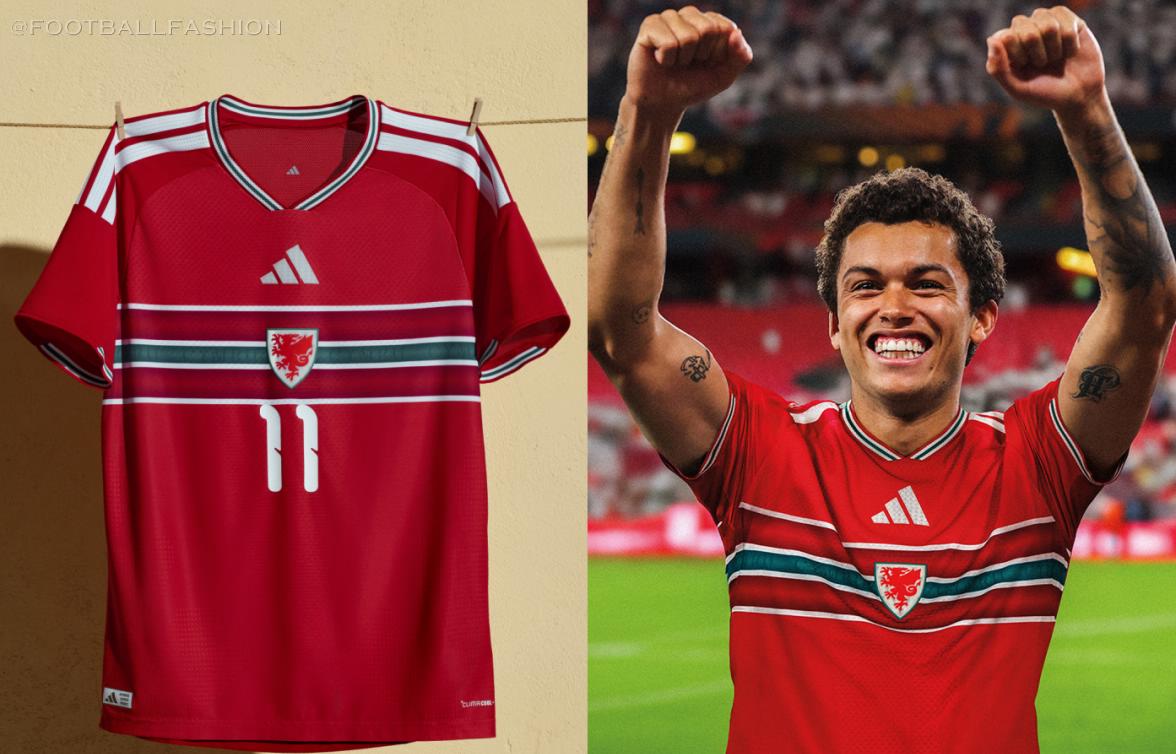
For example, in the 2022 World Cup, the third-place rule was pivotal in determining which teams advanced. Teams like Wales and Egypt, despite finishing third in their groups, secured spots in the round of 32 due to their strong performances. This precedent underscores the importance of the third-place standings in the qualification process.
Confirmed Qualifiers for the Round of 32
As of the latest updates, the following teams have secured their places in the World Cup 2026 round of 32:
- Argentina
- Brazil
- France
- Germany
- Spain
- Portugal
- England
- Italy
- Belgium
- Netherlands
- Uruguay
- Chile
- Mexico
- Japan
- South Korea
- Iran
These teams have either finished as group winners or as one of the top third-place teams. For instance, Brazil and Argentina emerged as group winners, while teams like Uruguay and Japan advanced as third-place finishers. The inclusion of Asian and South American teams highlights the global reach of the tournament.
The qualification process has been marked by thrilling matches and unexpected results. For example, Japan’s victory over a European powerhouse in their final group match secured their spot in the round of 32. Similarly, Iran’s strong defensive performance allowed them to climb the third-place rankings and earn a knockout-stage berth.
The Road to the Round of 32: Key Matchups and Strategies
With the round of 32 set, teams will face a new set of challenges. The knockout stage is a high-stakes environment where a single goal can determine a team’s fate. Coaches and players must adapt their strategies to the intensity of single-elimination matches.
.jpg "The Road to the Round of 32: Key Matchups and Strategies")
Historically, teams that advance to the knockout rounds often emphasize defensive solidity and counterattacking play. For example, in the 2018 World Cup, Croatia’s success was attributed to their disciplined defense and efficient transitions. Similarly, this year’s qualifiers may adopt similar tactics to navigate the pressure of the round of 32.
Notable matchups in the round of 32 include Argentina vs. Mexico and Brazil vs. Portugal. These games are expected to be fiercely contested, with both teams boasting world-class talent. Analysts suggest that teams with strong midfield control and clinical finishing will have an edge in these high-stakes encounters.
Implications for the Tournament and Global Football
The qualification of these teams has significant implications for the World Cup 2026. The presence of traditional power
