
Workers Install Barrier Around Reflecting Pool Amid Ongoing Renovation Challenges Linked to Former President
Workers have erected a temporary fence around the Reflecting Pool in Washington, D.C., as ongoing maintenance efforts and controversies surrounding a high-profile renovation project continue to draw public attention. The installation comes amid reports of persistent challenges, including algae growth and disputes over responsibility for the pool’s deteriorating condition. Officials have not provided a detailed timeline for the project’s completion, but the recent measures signal an escalation in efforts to address the issues.
What Led to the Fence Installation?
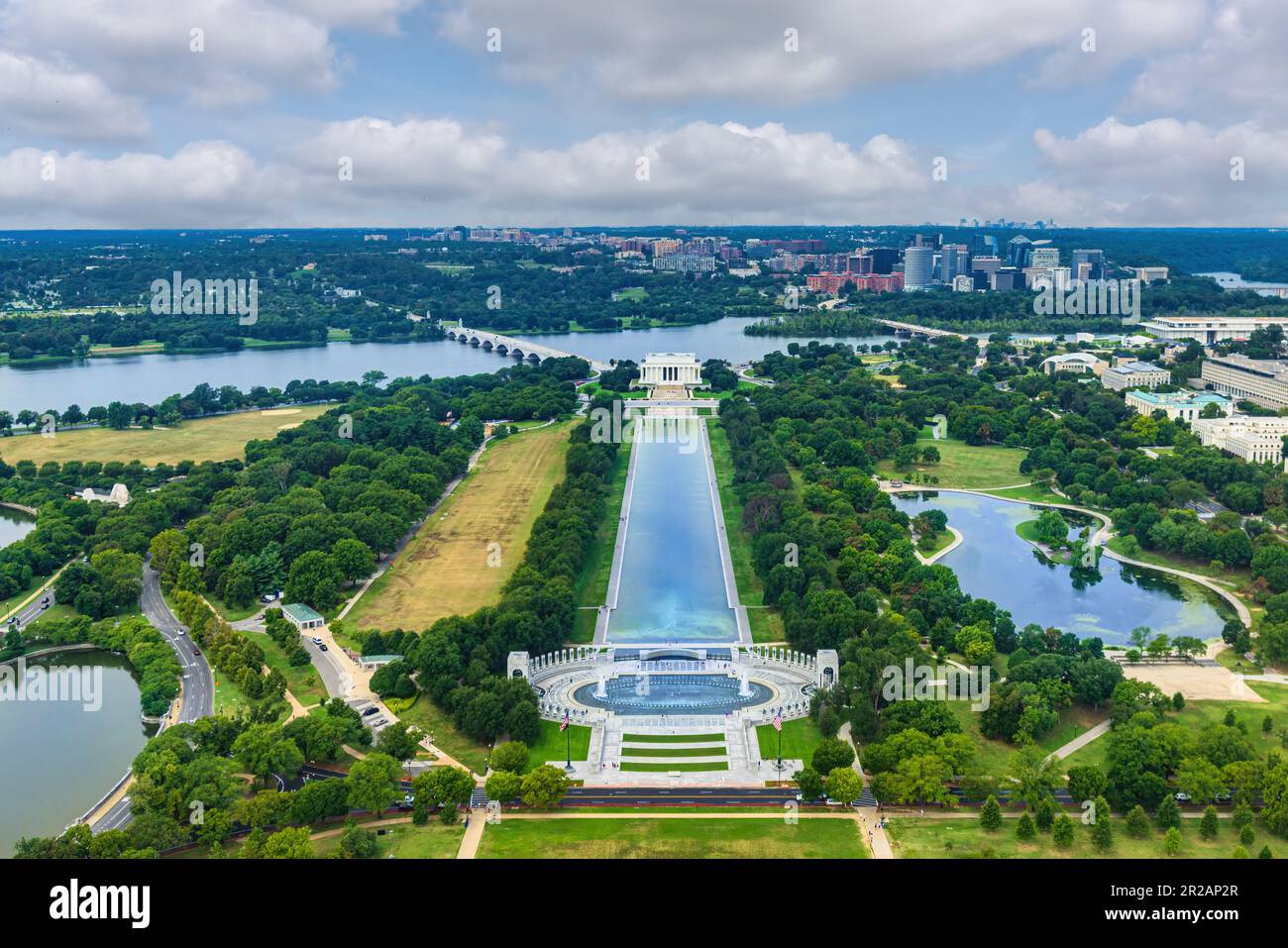
The Reflecting Pool, a historic landmark near the National Mall, has become a focal point of debate following a series of maintenance setbacks. According to a report from a news outlet, workers began constructing the barrier in early April, citing the need to secure the area during ongoing repairs. The decision follows multiple incidents of algae accumulation, which have raised concerns about the pool’s water quality and the effectiveness of previous maintenance strategies.
Environmental experts note that algae growth in freshwater bodies is often tied to factors such as temperature, sunlight exposure, and nutrient levels. However, the recent surge in reports of green discoloration has prompted questions about whether the pool’s design or maintenance protocols have contributed to the problem. A statement from a federal agency acknowledged the challenges but emphasized that “routine cleaning and monitoring are in progress.”
The fence’s placement has also sparked discussions about public access to the site. Historically, the Reflecting Pool serves as a popular gathering space for tourists and locals alike, with its reflective surface offering a dramatic backdrop for photographs and ceremonies. The barrier, which spans the pool’s perimeter, has limited direct access to the water’s edge, leading to mixed reactions from the public.
Who Is Involved in the Renovation Efforts?
The renovation project is managed by a federal department responsible for maintaining national monuments, though the exact chain of command remains unclear. Multiple agencies have been implicated in the oversight of the Reflecting Pool’s upkeep, with some officials attributing the recent issues to a lack of coordination. A spokesperson for one agency stated, “The pool’s restoration is a complex undertaking that requires careful planning and execution.”
The project has also drawn attention from environmental groups and public health advocates. Some organizations have raised concerns about the use of chemicals in water treatment, while others have called for more transparency in the decision-making process. A coalition of watchdog groups recently released a report highlighting the need for independent audits of the renovation efforts, citing “a pattern of delayed responses and incomplete solutions.”
In addition to government agencies, private contractors have played a role in the work. A firm specializing in water infrastructure was reportedly hired to assess the pool’s structural integrity and propose long-term solutions. However, details about the scope of their involvement and the timeline for their findings remain limited.
When and Where Did This Develop?
The fence installation occurred in Washington, D.C., a city that has long been a symbol of national history and cultural significance. The Reflecting Pool, completed in 1921, is part of the National Mall’s iconic landscape, flanked by the Lincoln Memorial and the Washington Monument. The site has hosted numerous events, including presidential inaugurations, protests, and public commemorations.
The current controversy builds on a series of incidents over the past year. In early 2023, reports emerged of the pool’s water becoming visibly murky, prompting calls for immediate action. By mid-2023, officials confirmed that the pool would be drained for a comprehensive cleaning, a move that some critics argued was long overdue. The draining process, however, has been delayed multiple times, with no clear explanation provided to the public.
The recent fencing effort marks the latest phase of the project. While the exact cause of the delays remains unconfirmed, some observers have linked the issues to broader challenges in federal infrastructure maintenance. A study by a research institution found that aging public facilities across the U.S. face similar problems, with budget constraints and bureaucratic hurdles often contributing to prolonged repair timelines.
Why Does This Matter?
The situation surrounding the Reflecting Pool reflects broader concerns about the maintenance of national landmarks and the accountability of public officials. The pool’s issues have become a symbol of what some describe as a systemic failure to prioritize infrastructure needs. Critics argue that the delays and setbacks highlight a lack of urgency in addressing problems that directly impact the public experience.
The controversy has also reignited debates about the role of political figures in infrastructure projects. While no direct evidence links the current challenges to any specific individual, the project’s timing and management have drawn scrutiny. A political analyst noted, “When high-profile sites face repeated issues, it often raises questions about the oversight and resources allocated to such efforts.”
From an environmental perspective, the algae problem underscores the delicate balance between preserving historical sites and ensuring their ecological sustainability. Experts emphasize that water bodies like the Reflecting Pool require ongoing monitoring to prevent contamination and maintain their aesthetic value. A recent report by an environmental watchdog highlighted the need for “adaptive management strategies” to address such challenges effectively.
What Are the Broader Implications?
The Reflecting Pool’s situation has broader implications for public infrastructure and the management of historic sites. The project’s delays and controversies serve as a case study in the challenges of maintaining aging facilities in a rapidly changing world. As cities across the country grapple with similar issues, the lessons learned from this project could inform future efforts to preserve cultural and historical landmarks.
:max_bytes(150000):strip_icc():focal(749x0:751x2)/trump-reflecting-pool-1-050826-6822a0b24cc34771bf6d56cc6fcda9bd.jpg "What Are the Broader Implications?")
For the public, the ongoing issues raise questions about access and accountability. The fence installation, while necessary for safety, has restricted access to a space that many view as a communal asset. Some residents have expressed frustration over the lack of communication from officials, with one local resident stating, “It’s hard to understand why this is taking so long when the pool is such a vital part of our city.”
The situation also highlights the importance of transparency in government operations. As the project progresses, stakeholders are calling for greater clarity on the steps being taken to resolve the issues. A representative from a civic organization said, “The public has a right to know what’s happening with their landmarks and how their tax dollars are being used.”
Key Points to Consider
- The Reflecting Pool’s recent challenges have led to the installation of a temporary fence to facilitate repairs.
- Algae growth and maintenance delays have drawn criticism from environmental experts and the public.
- The project involves multiple federal agencies and private contractors, with no clear timeline for completion.
- The controversy reflects broader concerns about infrastructure maintenance and public accountability.
