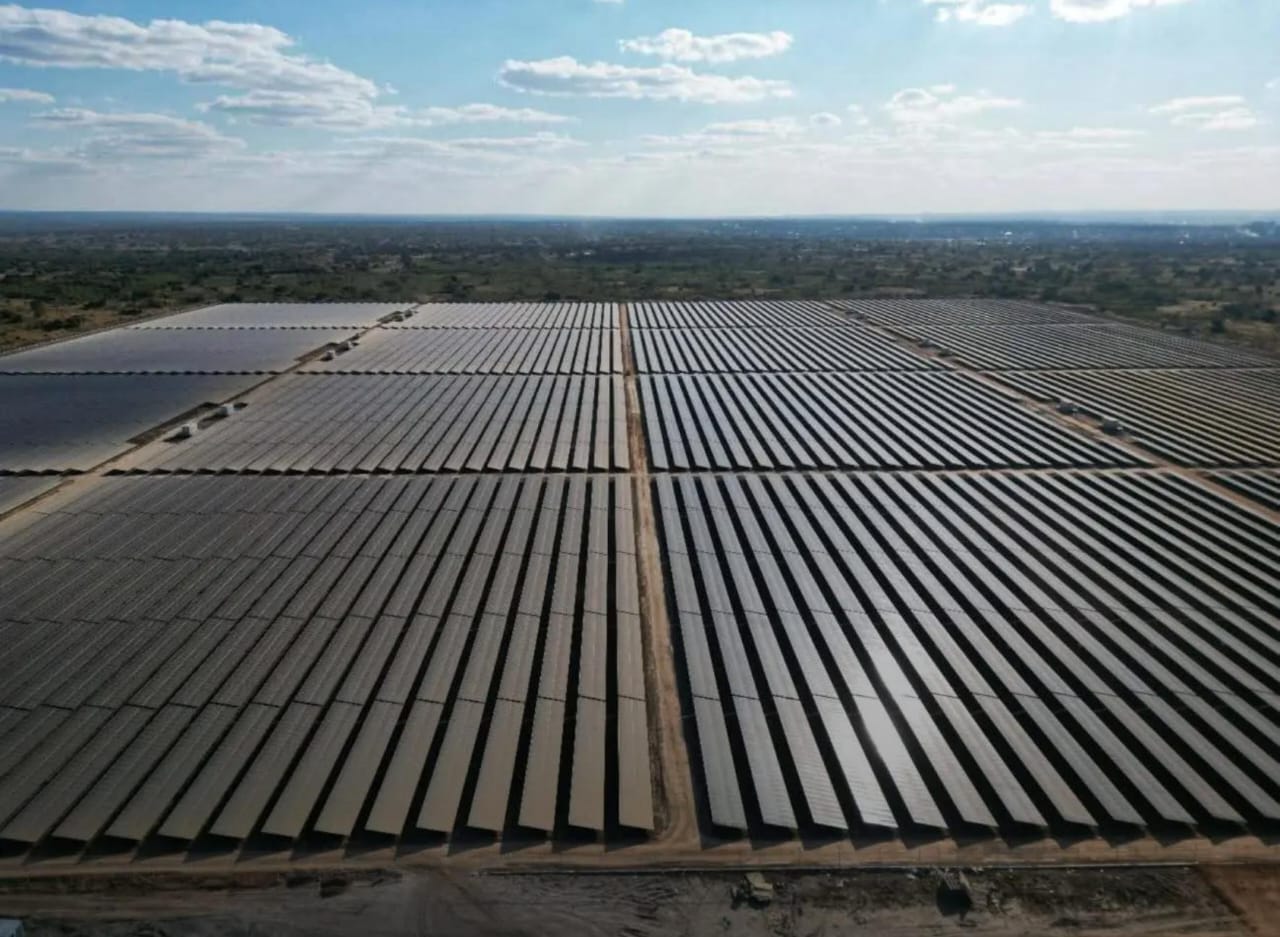
Zambia is aggressively expanding its renewable energy infrastructure, preparing for the deployment of 156 solar power plants. Each of these facilities is designed with a capacity of 2 megawatts (MW), signaling a strategic shift toward distributed energy generation to bolster the national grid.
- Planned deployment of 156 solar plants, each with a 2 MW capacity.
- Recent addition of 22 MW to the national energy supply.
- Project costs for recent solar initiatives are aligning with global benchmarks.
Cost Efficiency and Global Benchmarks
A critical component of Zambia’s energy transition is the financial viability of its infrastructure. According to local media reports, recent solar projects in the country have demonstrated costs that are close to global benchmarks. This alignment suggests that Zambia is successfully leveraging economies of scale and competitive procurement to implement renewable technology at market-leading rates.
Scaling Distributed Power Generation
The strategy of deploying a high volume of smaller, 2 MW plants rather than a few massive installations allows for a more distributed energy architecture. This approach can reduce transmission losses and provide more resilient power distribution across different regions. This large-scale rollout complements recent incremental gains, including the addition of 22 MW to the country’s power capacity.
By focusing on cost-competitive, modular solar deployments, Zambia is positioning its energy sector to better meet demand through scalable, renewable technology.
