
Ukraine’s Drone Revolution: How New Technology Is Reshaping the War Effort
Ukrainian military officials have confirmed that newly deployed attack drones are achieving precision strikes previously unattainable with the High Mobility Artillery Rocket System (HIMARS), marking a pivotal shift in the conflict with Russia. These advancements, driven by artificial intelligence and local innovation, are altering battlefield dynamics and prompting strategic reassessments across NATO and beyond.
What Sets the New Drones Apart?
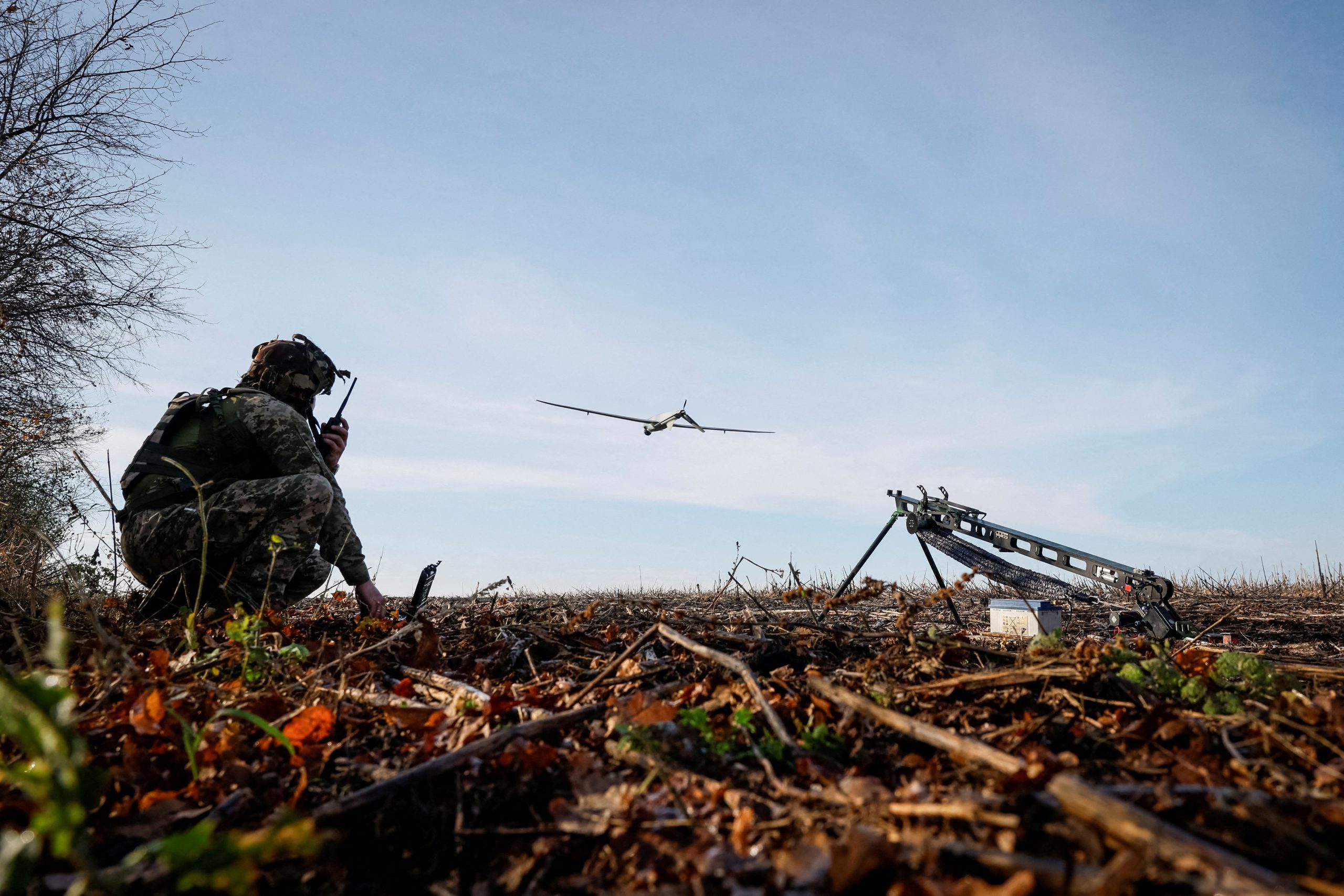
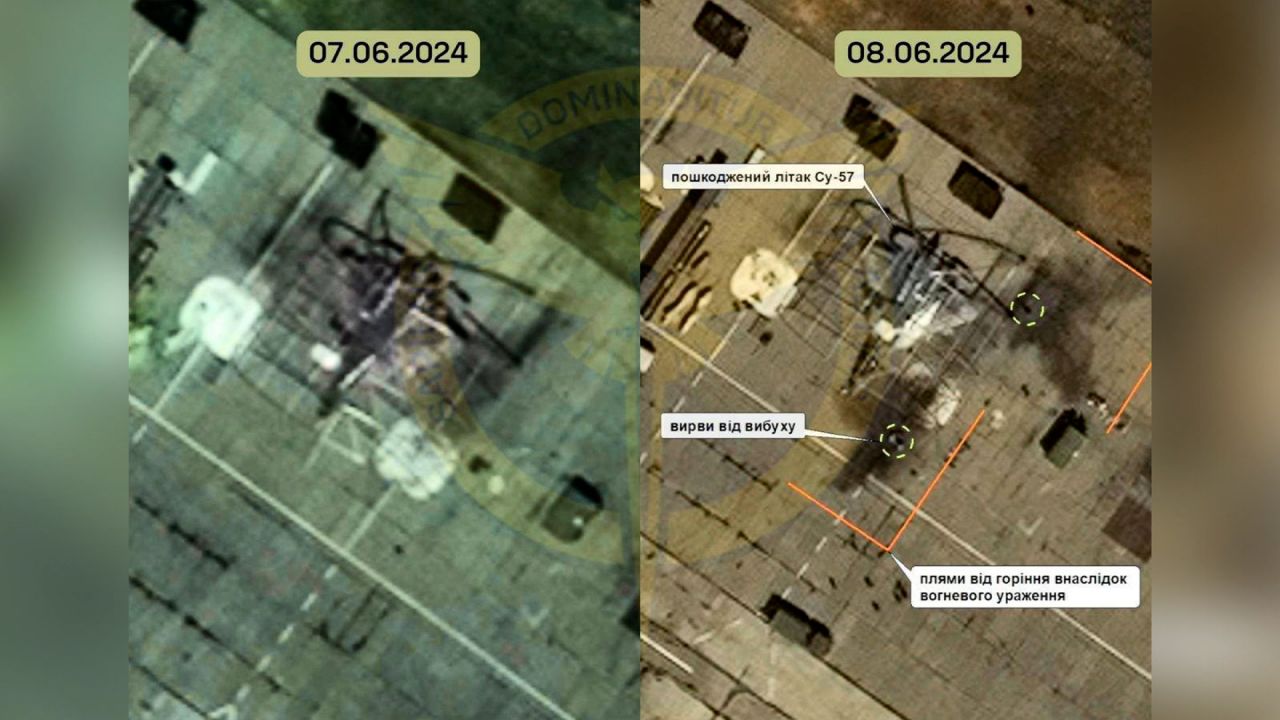
Unlike HIMARS, which relies on long-range rocket systems to target broad areas, the latest Ukrainian drones incorporate advanced guidance systems that enable pinpoint accuracy. According to a defense analyst at the Center for European Policy Analysis, these drones can identify and neutralize specific targets such as command centers, supply depots, and armored vehicles with minimal collateral damage.
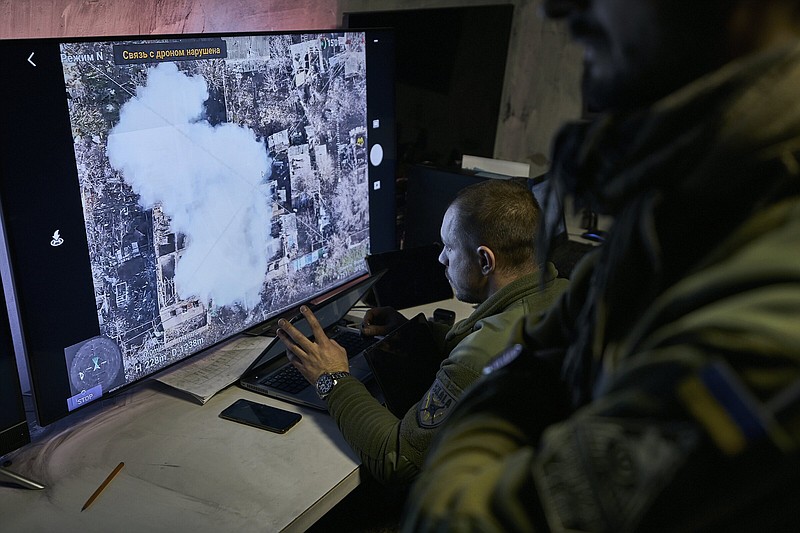
The technology leverages machine learning algorithms to process real-time data from reconnaissance assets, allowing operators to adjust strike plans mid-mission. This capability was previously unattainable with HIMARS, which requires extensive planning and has limitations in urban or complex terrain.
A Timeline of Technological Evolution
The development of these drones follows years of iterative improvements. In 2022, Ukrainian engineers began integrating AI-driven targeting systems into smaller, more agile platforms. By 2023, these systems showed promise in limited engagements, leading to increased investment from both domestic and international partners.
Key milestones include:
- 2022: Initial deployment of AI-enhanced drones in eastern Ukraine
- 2023: Successful use of drones to disrupt Russian supply lines
- 2024: Widespread adoption of autonomous targeting protocols
These advancements come amid a broader push to modernize Ukraine’s military infrastructure, with support from countries like the United States and members of the European Union.
Strategic Implications for the Conflict
The ability to conduct surgical strikes has shifted the balance of power in certain regions. Military experts note that these drones are particularly effective in contested areas where traditional artillery risks civilian casualties. This precision has allowed Ukrainian forces to regain control of key positions without the need for prolonged ground campaigns.
However, the technology is not without challenges. Russian forces have adapted by deploying counter-drone systems, including electronic jamming and anti-aircraft batteries. A report from the Council on Foreign Relations highlights that while Ukrainian drones remain effective, their operational range and endurance are still limited compared to more advanced systems used by other militaries.
Reactions From Military and Political Leaders
Ukrainian President Volodymyr Zelenskyy has praised the drone program as a “game-changer” in the war effort. In a recent address, he stated, “These innovations are not just about winning battles—they are about protecting our people and reclaiming our territory.”
NATO officials have also taken note. A senior NATO representative noted that the success of Ukrainian drones could influence future defense strategies for member states facing asymmetric threats. “This demonstrates the importance of investing in adaptable, technology-driven solutions,” the official said.
The Role of Artificial Intelligence
AI plays a central role in the drones’ effectiveness. By analyzing satellite imagery and battlefield data, these systems can detect patterns and predict enemy movements. This has reduced the time required to plan and execute strikes, giving Ukrainian forces a critical edge.
However, the use of AI in warfare has raised ethical concerns. Critics argue that autonomous systems could lead to unintended consequences, such as targeting errors or the dehumanization of combat. A 2023 study by the European Policy Analysis Center warned that the proliferation of AI-driven weapons could destabilize global security if not properly regulated.
Challenges and Limitations
Despite their advantages, the drones face several limitations. Their operational range is restricted by battery life and the need for frequent maintenance. Additionally, the reliance on AI requires robust cybersecurity measures to prevent hacking or data breaches.
Logistical challenges also persist. The production of these drones requires specialized components, many of which are sourced from international suppliers. Delays in manufacturing or supply chain disruptions could hinder their effectiveness in the field.
Broader Implications for Global Defense
The success of Ukraine’s drone program has sparked interest in other nations grappling with similar conflicts. Analysts suggest that the technology could be adapted for use in other regions, particularly where traditional warfare is impractical or too costly.
At the same time, the rise of AI-powered drones has prompted debates about the future of warfare. Some experts warn that the increasing autonomy of military systems could lead to a new arms race, with countries prioritizing speed and efficiency over human oversight.
What’s Next for Ukraine’s Drone Program?
Ukrainian defense officials have outlined plans to expand the drone fleet in 2025, focusing on improving range, endurance, and AI capabilities. They also aim to develop swarm technology, where multiple drones operate in coordination to overwhelm enemy defenses.
International partners are expected to play a key role in this expansion. The U.S. has already provided funding for research and development, while the EU is exploring ways to streamline the export of critical components.
FAQ: Understanding the Drone Revolution
How do Ukraine’s new drones differ from HIMARS?
Unlike HIMARS, which uses long-range rockets to strike large areas, the new drones employ AI-driven targeting for precise, low-collateral strikes. This allows for greater flexibility in complex environments.
What are the main challenges facing the drone program?
Operational limitations include battery life, maintenance requirements, and reliance on international supply chains. Cybersecurity threats and enemy countermeasures also pose significant risks.
How has the international community responded?
NATO and several EU nations have expressed support, citing the potential for these drones to reshape modern warfare. However, concerns about ethical implications and global security remain.
What are the long-term implications for warfare?
The integration of AI and autonomous systems is likely to influence future military strategies
