
The Worst Health Habits You’re Probably Picking Up In Middle Age
As people enter their 40s and 50s, lifestyle patterns that once seemed harmless can become significant risks to long-term health. Recent research highlights how middle age often coincides with the adoption of detrimental habits that increase the likelihood of chronic diseases, reduced mobility, and declining mental well-being. While aging itself is inevitable, the choices made during this stage of life can either mitigate or exacerbate these risks. Understanding these patterns is critical for individuals seeking to maintain vitality and quality of life.
Why Middle Age Is a Critical Period for Health Decisions
Medical studies consistently show that middle age—generally defined as 40 to 65 years—marks a turning point in human health. The body’s ability to repair itself begins to decline, and metabolic rates slow, making it easier to gain weight and harder to lose it. According to the World Health Organization (WHO), 70% of premature deaths globally are linked to lifestyle factors, many of which become more pronounced during this period.
Experts like Dr. Sarah Lin, a geriatrician at the University of California, San Francisco, explain that middle age often brings a shift in priorities. “People may neglect health routines due to work demands, family responsibilities, or the misconception that ‘it’s too late to change.’ However, even small adjustments in this decade can significantly extend lifespan and reduce the risk of conditions like heart disease, diabetes, and cognitive decline.”
The Most Common Health Habits to Avoid
Several behaviors are particularly prevalent among middle-aged adults and have been linked to severe health consequences. Here are the top habits to address:
1. Sedentary Lifestyles
Modern work environments and leisure activities increasingly prioritize sitting. A 2023 study published in the Journal of Physical Activity and Health found that 68% of middle-aged adults spend more than 8 hours daily seated, with 40% reporting minimal physical activity. Prolonged inactivity is associated with a 30% higher risk of cardiovascular disease and a 25% increase in type 2 diabetes risk.
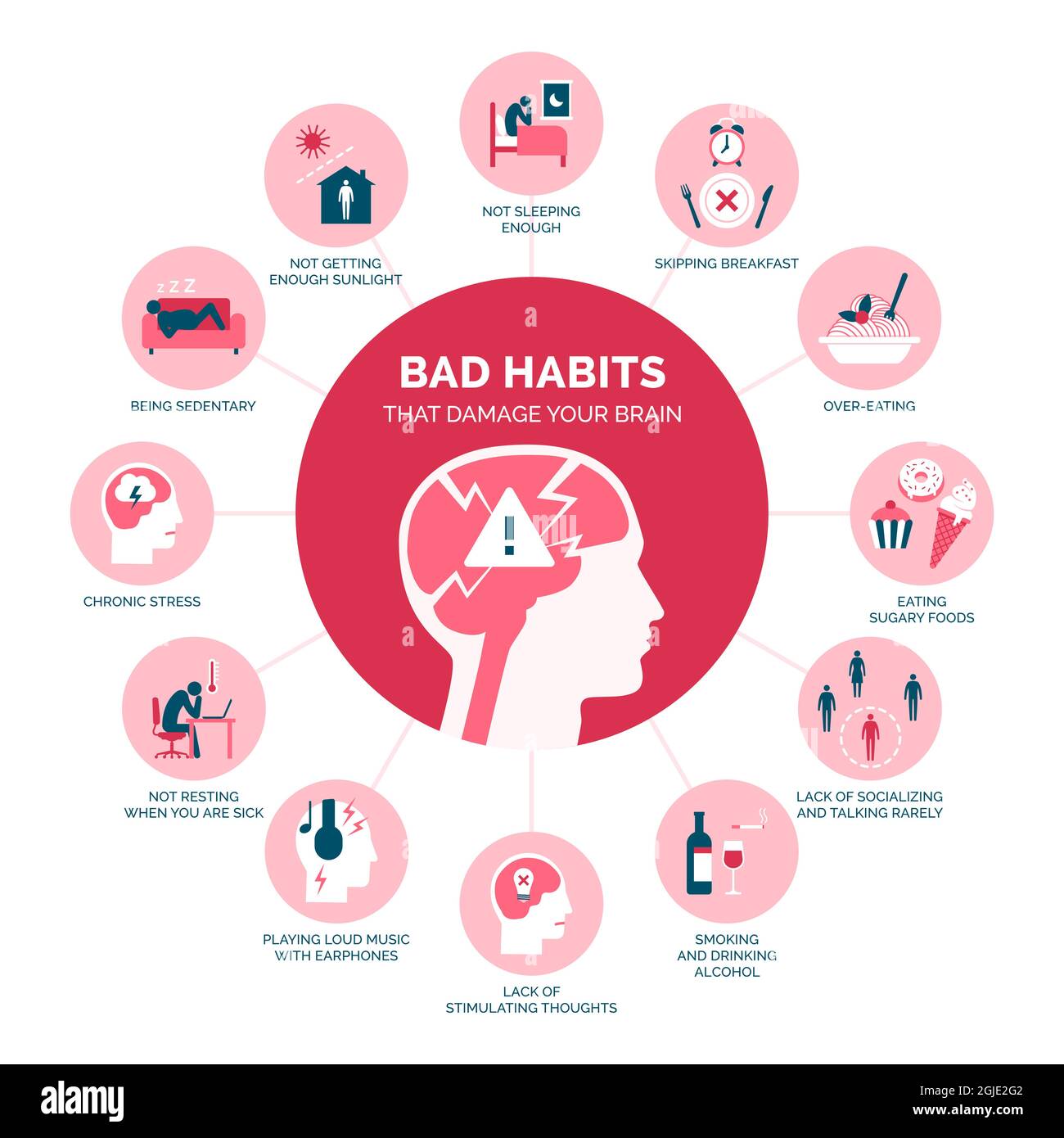
Dr. Lin notes, “Even those who exercise regularly may be at risk if they remain sedentary for most of the day. The body needs movement to regulate blood sugar and circulation.”
2. Poor Dietary Choices
Fast food, processed snacks, and sugary beverages often replace balanced meals during middle age. The Centers for Disease Control and Prevention (CDC) reports that 60% of adults in this age group consume less than the recommended daily intake of fruits and vegetables. High sodium and refined sugar consumption contribute to hypertension, obesity, and metabolic syndrome.
“Many people believe they can ‘eat anything’ as long as they’re not overweight,” says nutritionist Michael Torres. “But even normal-weight individuals may suffer from nutrient deficiencies or chronic inflammation linked to poor diets.”
3. Chronic Stress and Sleep Deprivation
Work pressures, financial concerns, and family obligations often lead to elevated stress levels. The American Psychological Association (APA) states that 75% of middle-aged adults report stress as a daily challenge. Chronic stress triggers cortisol imbalances, which can lead to weight gain, weakened immunity, and mental health issues.
Additionally, sleep patterns frequently deteriorate. A 2022 National Sleep Foundation survey revealed that 56% of middle-aged individuals experience insomnia or poor sleep quality. “Sleep is the body’s time to repair and reset,” explains sleep expert Dr. Linda Nguyen. “Without it, the risk of dementia, heart disease, and depression rises dramatically.”
4. Neglecting Regular Health Screenings
Many middle-aged individuals skip routine check-ups, assuming they are “healthy” unless symptoms arise. However, conditions like high cholesterol, early-stage cancer, and hypertension often show no immediate symptoms. The National Cancer Institute emphasizes that regular screenings can reduce mortality rates by up to 40% for certain cancers.
“Prevention is far more cost-effective than treatment,” says Dr. Nguyen. “A simple blood test or mammogram can detect issues before they become life-threatening.”
Why These Habits Matter: Long-Term Consequences
The cumulative effect of these habits can be devastating. For example, a 2021 longitudinal study by the Mayo Clinic found that middle-aged adults who maintained three or more unhealthy behaviors (e.g., inactivity, poor diet, chronic stress) had a 50% higher risk of developing dementia by age 70. Similarly, the CDC links sedentary lifestyles to a 20% increase in early-onset arthritis and joint pain.
